

Meth Addiction Treatment in Minnesota
Meth is one of the hardest addictions NorthStar Regional treats, so our meth addiction treatment in Minnesota is built for the months recovery takes. Recovery from meth is real, and we say so plainly to anyone who arrives doubting that. Treatment starts with getting stable through the crash, then moves into the longer residential stages on our Twin Cities campuses. The depression and paranoia the drug leaves behind are treated from day one, not waited out. We accept Medical Assistance (Medicaid) and most major insurers, and you do not have to believe treatment will work to start.
Licensed Treatment Programs

Founded 2015
Addiction and mental health care in one system

Multiple Campuses
Across the Twin Cities metro

MN Department of Health: Licensed
MN Department of Human Services: Licensed
Understanding meth addiction
How Meth Addiction Works
Methamphetamine floods the brain with more dopamine than any natural experience can, then leaves it unable to feel normal pleasure at all. That is the trap: after enough meth, only meth feels good. Everything else, food, people, mornings, feels flat and joyless. Sleep vanishes for days, and paranoia moves in. The crash afterward is a depression deep enough to send anyone back.
The brain does heal, but it takes months, not days. Early recovery from meth means real fatigue, flat mood, and cravings that come in waves. That is why meth treatment at NorthStar Regional relies on the longer stages of our care. The structure lasts through the months of flat mood. It is also why we treat the mood symptoms as seriously as the drug.

What It Looks Like
Signs of a Meth Abuse Problem
The signs of meth use are often easier to notice than those of other drugs. These are the signs that families and people who use meth describe most often.
Days Without Sleep
Two, three, four days awake, then a crash that lasts nearly as long. The sleep pattern alone tells the story.
The Body Is Showing It
Rapid weight loss, sores from picking at the skin, dental damage. Meth is visibly hard on the body, and the mirror usually notices first.
Paranoia Has Moved In
Checking windows, hearing things, feeling certain that people are watching. Paranoia caused by meth is common and scary, and it responds to treatment.
Projects at 3 a.m.
Hours spent on one intense task, over and over. Taking apart electronics, cleaning, sorting. The drug creates intense focus with nowhere good to put it.
Nothing Else Feels Good
Food, people, and pleasure have gone flat. That flat feeling is the damage meth is known for, and it is the part treatment slowly reverses.
The Crash Keeps Winning
Every attempt to quit ends in the crash. That is the exhaustion and depression that follow stopping. It is a medical phase that can be treated, not a character flaw.
You don’t need to check every box, and you don’t need to diagnose yourself. If several of these sound familiar, a comprehensive assessment gives you a clear answer in about an hour. Reading this for someone you love? Start with our guide for parents or our guide for spouses and partners.
Treating Meth Use and Mental Health Together
Meth causes depression, anxiety, and paranoia. It is often a way to self-treat them, too. Sorting out which is which takes clinical skill and time. So we treat both together. At NorthStar Regional, that means one plan and one team at designated programs.
For Addiction
Every substance we treat is explained on its own page, from the first assessment through sober living.
For Mental Health
At designated NorthStar Regional programs, these conditions are treated together with addiction as co-occurring care, in one plan. Standalone mental health treatment, no substance use diagnosis needed, is available through our outpatient clinic in Shakopee.

How We Treat It
How We Treat Meth Addiction
Meth usually does not need medical withdrawal management the way alcohol does. But the crash is real, and it needs structure: rest, food, safety, and clinical staff watching for the depression that comes after you stop. Once you are stable, treatment moves into high-intensity residential treatment and then the longer residential stages. The reason is simple: time in structured care is one of the best signs that recovery from meth will hold.
The clinical work is built for stimulants: CBT for the craving waves and the thinking behind them, and daily routines that rebuild a reward system meth flattened. DBT-informed skills help with the mood swings of early recovery, and trauma skills come in when trauma is under the use. Family therapy supports the home that has been living with the paranoia and the 3am projects. We treat co-occurring mood symptoms from day one instead of waiting them out.
Am I ready?
Signs You Need Meth Addiction Treatment
After stopping meth, many people feel flat or unmotivated for a while, so you do not have to feel ready to start treatment. These signs can help you tell if it is time.
You're Tired in a New Way
Not the crash, but the deeper exhaustion of running the cycle: score, use, crash, repeat. That fatigue is reason enough to act.
The Paranoia Scared You
A moment you knew the fear wasn’t real and felt it anyway. That’s the drug talking, and it quiets with treatment.
You Don't Believe It Can Work
Most people arriving for meth treatment don’t believe it either. You don’t need to believe it to start. The structure works anyway, and belief comes later.
Here is how admissions works, and the assessment that turns “maybe” into a plan.
Where you can get help
Treated Across NorthStar Regional Locations
You can get this care at more than one NorthStar Regional location. Designated programs treat addiction and mental health together, and our outpatient clinic in Shakopee offers mental health care on its own. Your comprehensive assessment matches you to the right campus and level of care.
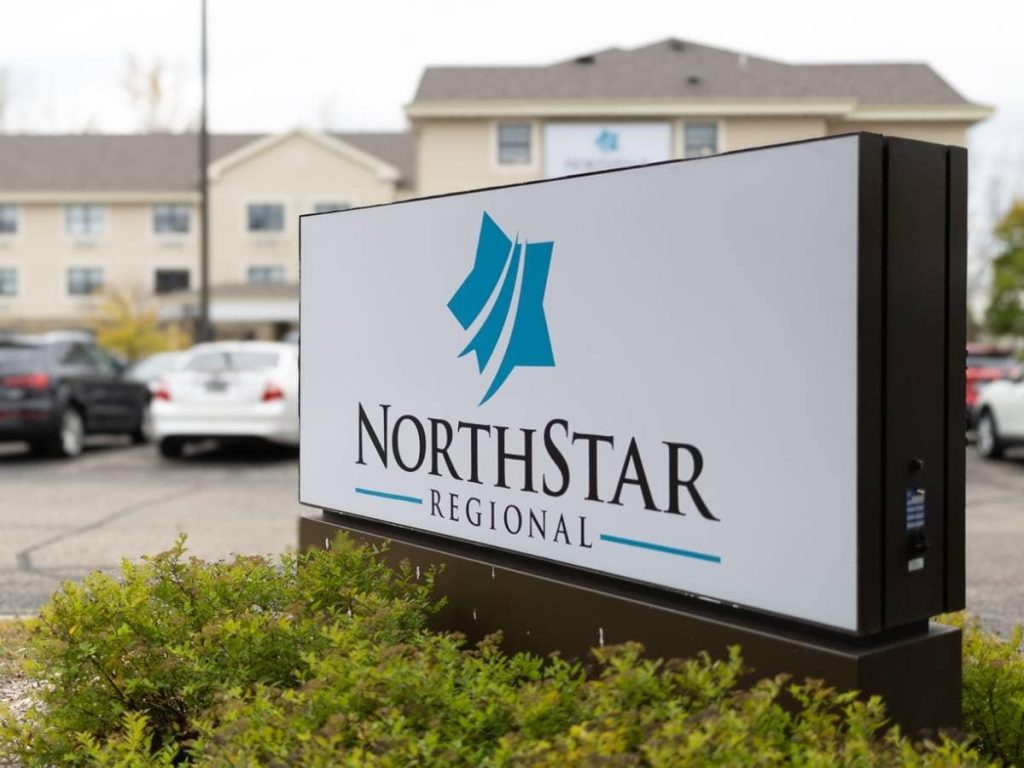
Medical detox + men’s care
Detox Center & Withdrawal Management - Eden Prairie
Where most people start: our only campus with medical detox, with nurses on site 24 hours a day.
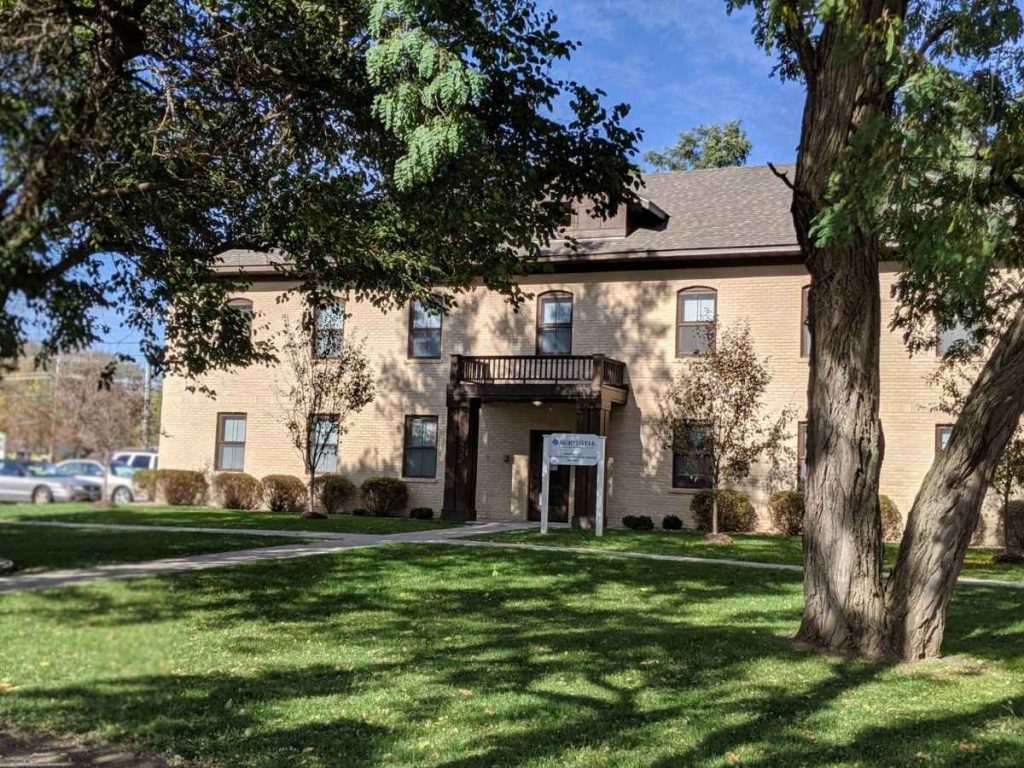
Men’s IOP with lodging
Men's Treatment Center | Chaska
Intensive outpatient therapy with a place to stay, so you can start recovery before you have housing lined up.
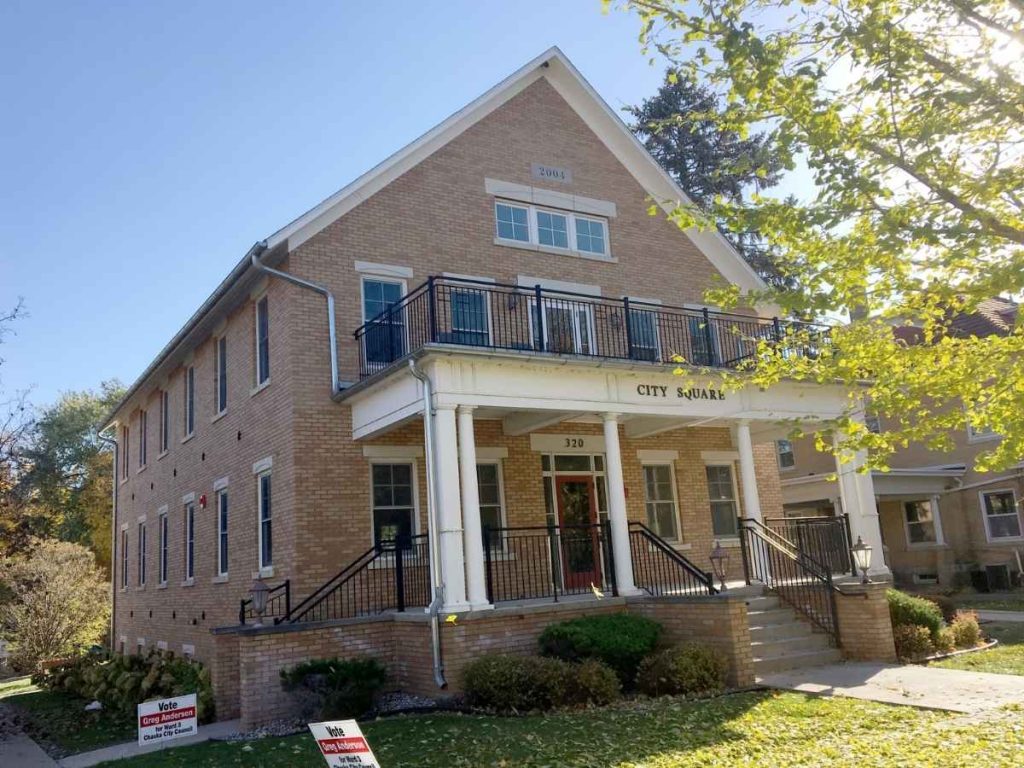
Women’s campus
Women's Treatment Center | Chaska
A fully separate women’s campus in downtown Chaska. The Klein Mansion lets women move from residential into IOP with lodging.
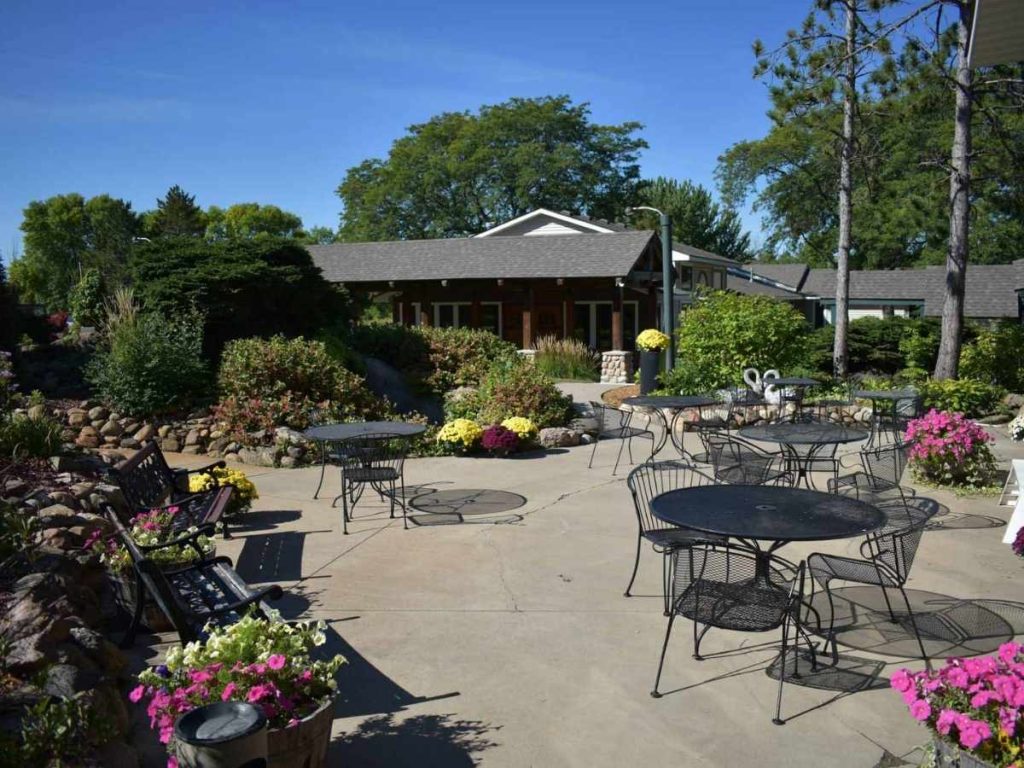
Men’s residential
Men's Treatment Center | Otsego
32 wooded acres on the river, with outdoor groups and a gym, serving the northwest metro.
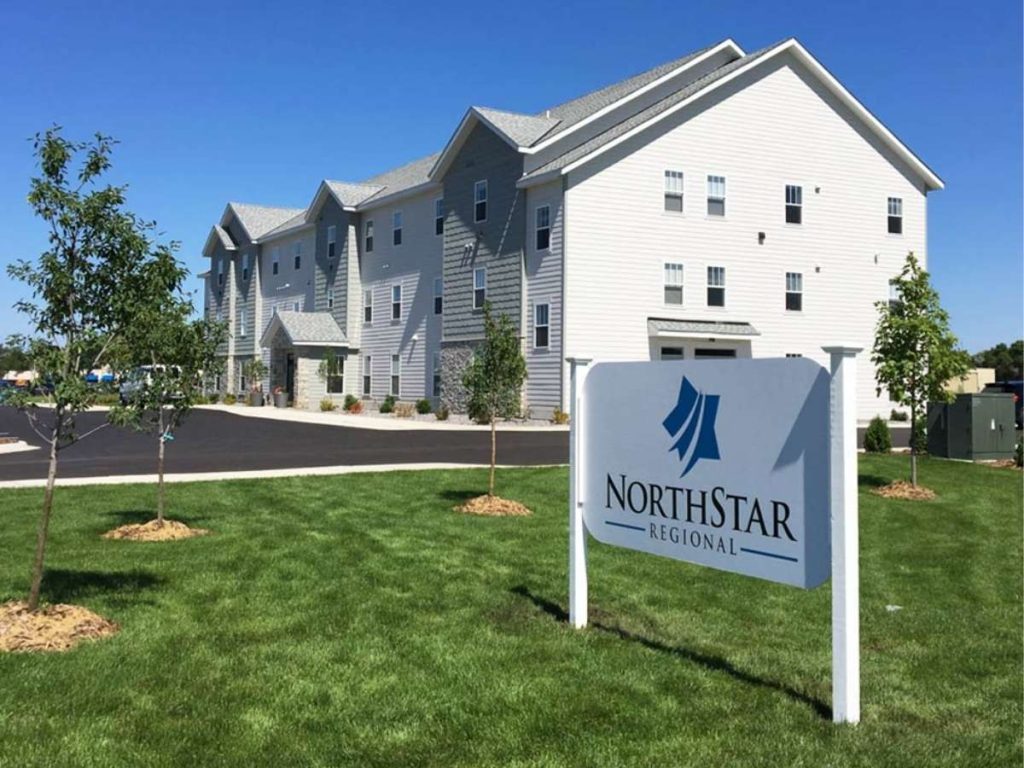
Men’s residential
Men's Treatment Center | Shakopee
A home on a residential street, not a hospital wing, minutes from our outpatient center.
Outpatient clinic
Outpatient Mental Health Clinic | Shakopee
Counseling, assessments, and standalone mental health care, in person or by telehealth. No established diagnosis needed to contact us.
Where treatment happens
The Programs That Treat Meth Addiction
Recovery from meth often takes more time, so many people use our longer programs. Here are the programs that treat meth addiction.
The core
Inpatient Rehabilitation
35 to 50 days of live-in structure while the crash passes and the work starts.
The long middle
Low-Intensity Residential
85 to 105 connected days of living focused on recovery, while the brain heals.
The long game
Relapse Prevention
Weekly work through the months when cravings still arrive in waves.
Who's behind the work
About NorthStar Regional
NorthStar Regional is Minnesota’s treatment system built around access: alcohol and drug treatment centers and mental health care across multiple Twin Cities metro locations. Founded in 2015, we provide one connected continuum: detox (withdrawal management), residential, outpatient, mental health, and a sober housing pathway. Separate men’s and women’s campuses, co-occurring care at designated programs, and no faith requirement set us apart. We accept Medical Assistance (Medicaid) and most major insurers, and if you are uninsured, our admissions team helps you through enrollment. A person can walk in with nothing and leave with everything they need to build a life.
Paying for Care
Insurance and Payment Options
Our team helps review your benefits and handles the paperwork with you. If you have no insurance, we help walk you through enrolling for benefits. County case managers, probation officers, hospitals, and crisis teams send clients to us because, in their words, we just get it done.

Insurance and State Funding
Commercial plans, Medical Assistance (Medicaid), county placements, and private pay. We verify benefits and handle the paperwork with you.
We Are Here to Help
We help review your benefits, find your right starting point, and schedule you for the same day or the next whenever possible. Then we pick you up anywhere in the Twin Cities metro.


How Admission Works
What Happens From Your First Call to Your First Night
You did the hard part when you picked up the phone. Here is exactly what happens next, so nothing about day one is a mystery.
You Call and a Real Person Answers
A real person answers, usually within seconds, and asks one short question: substance use, or mental health? There is no phone tree, and you don’t have to tell your life story. We ask only what we need and handle the rest.
We Help with the Details
Our team helps review your benefits, and a short screening covers withdrawal risk, medical needs, and mental health, so you land at the right level of care. Then we schedule you, same day or next day whenever possible.
We Pick You Up
You get reminder calls and texts. Before pickup, your admissions coordinator and your driver call you together, so you know the name, the car, and the timing before it’s in your driveway. In the car: water, Gatorade, snacks, and a bagged lunch. Your driver, most often someone in long-term recovery, helps with your bags.
A Real Person Meets You When You Arrive
Your driver walks you inside and hands you off by name to the team member waiting for you. Your intake team completes your application with you. If you’re hungry, there’s a meal waiting. Treatment starts, and you never carried the logistics.
“The client has done the hard work by picking up the phone. We will carry them the rest of the way.”
Sarah Roy, Executive Vice President
Reviews from Google
Why Clients Choose NorthStar Regional
Don’t just take our word for it. Here is what alumni say about their time in treatment.
Keep reading
Related Articles and Resources


Resources
Before You Call
How admissions works, guides for families, and the forms you can complete early. More resources are linked throughout the site, or contact admissions and we’ll send anything by email.
Questions we hear every day
Common Questions About Meth Treatment
Can people actually recover from meth?
Yes, and we watch it happen every week. Meth recovery is slower than most. The brain’s reward system takes months to heal, and mood stays flat for a while. With enough time in structured care, people get their lives back. The research and our alumni agree.
Is there a medical detox for meth?
No, not a formal one. Unlike alcohol withdrawal, meth withdrawal is rarely a medical danger. But the crash is severe: days of sleep, deep depression, and heavy cravings. We steady you with rest, medical checks, and staff support, instead of a formal detox protocol.
How long does meth treatment take?
Longer than most. High-intensity residential treatment runs 35 to 50 days, and meth recovery in particular gains from the low-intensity residential months after it. The full path of care, from detox to aftercare, runs a year to 18 months. With meth, that time in care is a big part of what makes treatment work.
What about the paranoia and hearing things?
Psychotic symptoms caused by meth are common. They usually clear with lasting sobriety and treatment. Our clinical team watches for them from day one, and designated programs include co-occurring care from a mental health professional. Tell us everything, because nothing you describe will surprise us.
Is the depression permanent?
Almost never. The flat, low mood of early meth recovery is the brain rebuilding its reward system, and it lifts over months. We treat it actively rather than asking you to wait it out.
Does insurance cover meth treatment?
Coverage depends on your plan, the service, eligibility, and authorization requirements. Our team helps review your benefits and available payment options. Benefits verification is not a guarantee of payment.
Admissions
Make the First Call and We'll Take It from There
Confidential, no obligation, and answered by someone who knows what you’re facing and cares to listen.