
Outpatient Mental Health Programs in Minnesota
NorthStar Regional’s outpatient mental health programs in Minnesota treat depression, anxiety, trauma, and more, with no substance use diagnosis required. Psychologists, therapists, and counselors see adults at our freestanding Shakopee clinic or by secure video statewide. Care here means appointments, not programming: weekly or biweekly sessions on a schedule a working adult can keep. The same team continues mental health work for clients finishing our other programs, so nobody starts over at discharge. We accept Medical Assistance (Medicaid) and most major insurers, and you deserve real treatment whether or not substances were part of your story.
The program at a glance
Outpatient Mental Health
Therapy for depression, anxiety, trauma, and more. You do not need a substance use diagnosis.
Standing on its own
No diagnosis prerequisite
In person or telehealth
Dual diagnosis care
Medicaid accepted
Licensed Treatment Programs

Founded 2015
Addiction and mental health care in one system

Multiple Campuses
Across the Twin Cities metro

MN Department of Health: Licensed
MN Department of Human Services: Licensed
The other half of the promise
Mental Health Services That Stand on Their Own
Most of NorthStar Regional treats substance use and mental health together. This program is for all the rest. If you live with depression, anxiety, trauma, or some other mental health condition, you deserve real treatment. That is true whether or not alcohol or drugs were ever part of your story. Our outpatient clinic in Shakopee is a mental health clinic that stands on its own. Psychologists, therapists, and counselors see adults and families there every day. They see them in person or by video, anywhere in Minnesota.
It is also where care continues for people finishing our other programs. After residential treatment and relapse prevention, what remains is usually mental health work. This is where it happens. Same system, same records, a team that already knows your history, and a community that does not end at discharge. We treat mental illness whether or not you have a history of substance use.

One Full Continuum
Where Outpatient Mental Health Fits Within the Full Continuum
Outpatient mental health services run alongside the later residential and outpatient stages of care. They also continue beyond them. For clients moving through our levels of care, this is where dual diagnosis care goes on after relapse prevention. Otherwise, it’s simply the front door to therapy: weekly sessions, no residential stay, and a schedule built around your life. Of all our outpatient programs, this is the one you can walk into with no history of substance use. The programs around it, including intensive outpatient, share the same records and team, so moving between them never means starting over.
About 3 to 7 days
Medical Detox
Safe drug and alcohol withdrawal with 24-hour nursing at the withdrawal management center in Eden Prairie, for alcohol, opioids, and benzodiazepines.
About 35 to 50 days
Inpatient Rehabilitation
The flagship program: 35 to 50 days of live-in treatment on separate men’s and women’s campuses.
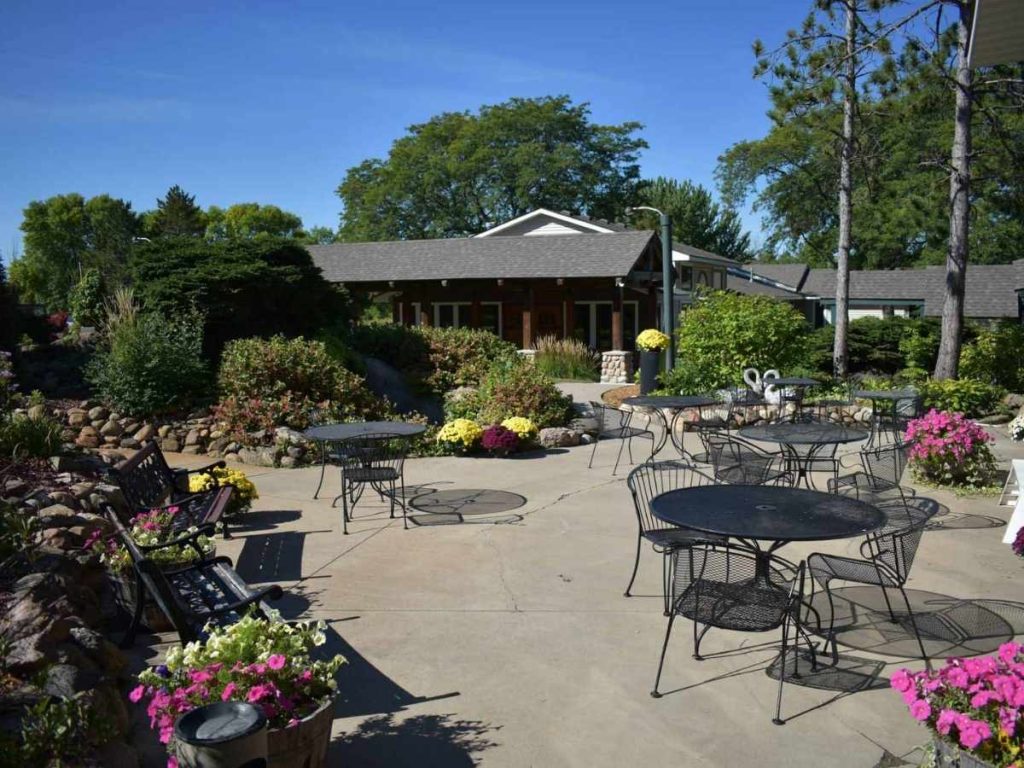
85 to 105 connected days
Low-Intensity Residential
A home with recovery support while you build back your own life.
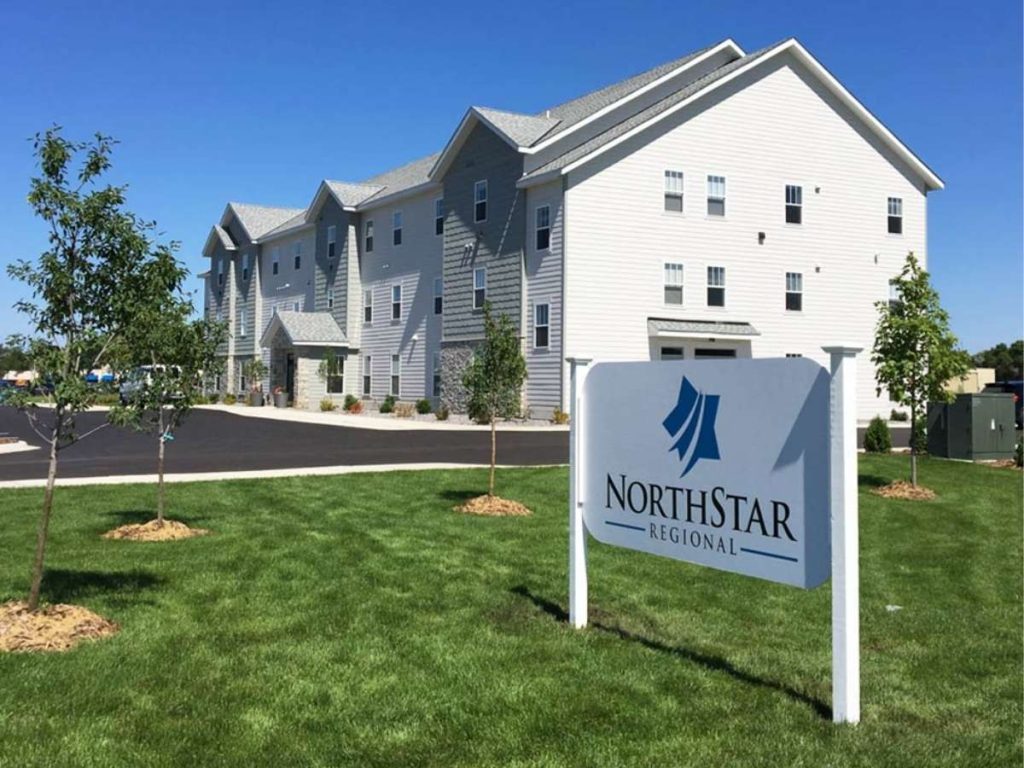
With or without lodging
Intensive Outpatient
Outpatient treatment that fits around work and family, with a place to stay if needed.

6 to 8 months or longer
Relapse Prevention
Weekly sessions and peer support through the months that matter most. We watch closely for early warning signs.
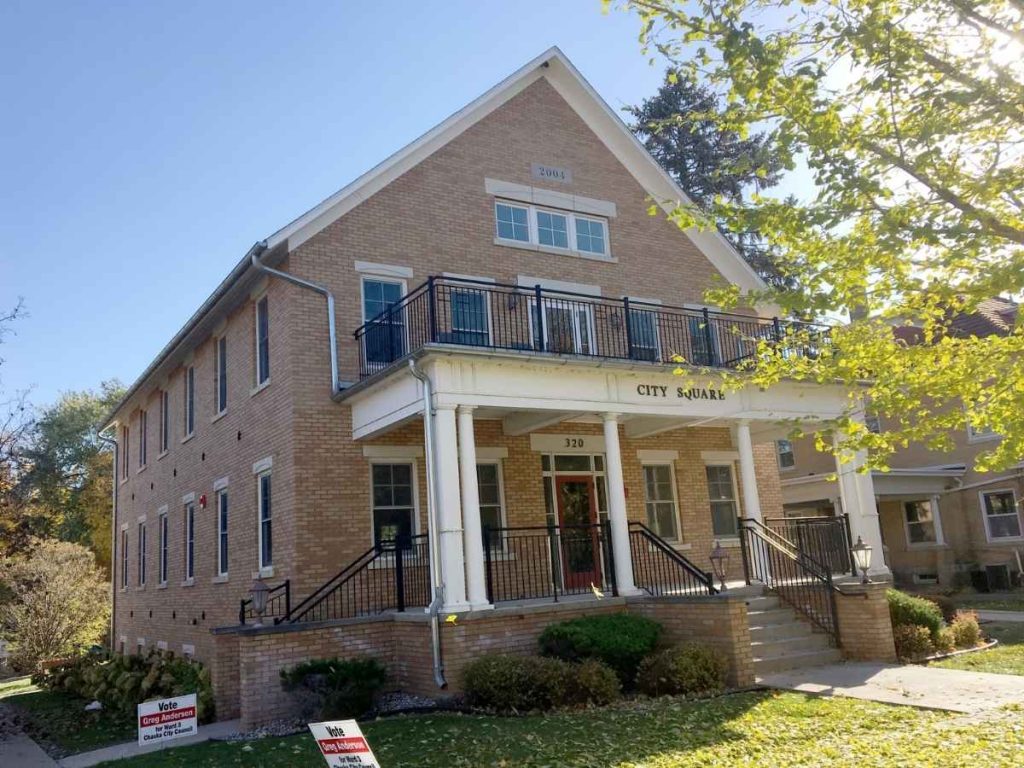
The rest of the way
Sober Living
Substance-free housing where recovery gets an address.
What to expect
What Outpatient Care Looks Like Here
Appointments, not programming. Care that fits inside a working week, with services that flex around it, on a schedule working adults can keep.
The First Step
Call or contact us online, tell us what you are looking for, and our team helps review your benefits. You can fill out intake forms before your first visit. Most new clients, adults of every age, get in within days.
The First Visit
What brought you in, what you want to change, and what working together looks like. No script and no judgment. We listen, whatever your concerns.
Weekly or Biweekly
Sessions in the office or by video. You adjust them with your counselor or therapist as life moves, so sessions stay regular. Your hours here include learning about your diagnosis and skills for daily living. You also talk about medicines, symptoms, and progress.
When weekly isn't enough
When You Need More: The Intensive Outpatient Program
Some seasons of adult life need more than an appointment a week, and that’s what our intensive outpatient program is for. It treats mental health and substance use together, with several sessions a week of group psychotherapy and individual counselor time, and medications managed alongside. It runs in person or as a virtual intensive outpatient program statewide. If your mental health needs don’t involve substance use, we’ll tell you honestly whether our program fits or whether a mental-health-only program would serve you better, and we’ll help you get there either way.
Addiction and dual diagnosis
Treating Substance Use and Mental Health Together
The conditions we treat here are the same ones that drive relapse when they go untreated: depression, anxiety, bipolar disorder, trauma, and more. They may show up alone or along with substance use, alcohol included. Either way, they get named, treated, and tracked, never handed off between providers. You get treatment for substance abuse and mental illness in one place.
For Addiction
Every substance we treat is explained on its own page, from the first assessment through sober living.
For Mental Health
At most NorthStar Regional campuses, these conditions are treated along with addiction, as co-occurring care in one plan. Mental health treatment on its own lives right here. No established diagnosis is needed to contact us.
Inside Treatment
Therapies and Services Inside This Program
Talk therapy is the main part of treatment. The mix of services is matched to you, set at the comprehensive assessment and adjusted as you go, with other services added as needs come up.
Individual Therapy
One-on-one sessions with a counselor or therapist matched to your goals, in person or by video. A place where you can talk openly about what is really going on and get skilled help with it.
Group Psychotherapy and Peer Support
Group therapy and education groups where they help. Plus a link to peer support that lasts beyond the appointment. Peer support specialists work across the recovery side of our system.
CBT and DBT-Informed Skills
Noticing the thought, catching the pattern, choosing a different path. Plus skills for handling strong emotions and getting through distress. These are skills that support daily life, not just insight.
EMDR for Trauma
Many clients’ struggles grew around trauma. For them, EMDR helps the brain process traumatic memories that talk therapy alone often does not resolve.
Family Therapy
Mental health is shaped by relationships too. Family sessions rebuild trust and teach the family how to help. They also give everyone the same words for what is going on.
Comprehensive Assessment and Specialty Counseling
A comprehensive assessment gives a clear picture of where to start. We also offer grief counseling, anger and emotional regulation counseling, and ADHD evaluation. All of it is at our outpatient clinic in Shakopee. The assessment helps us find the right care for you, and what to treat first.
Where this program runs
Mental Health Treatment in Shakopee or by Telehealth
Outpatient Mental Health Clinic | Shakopee
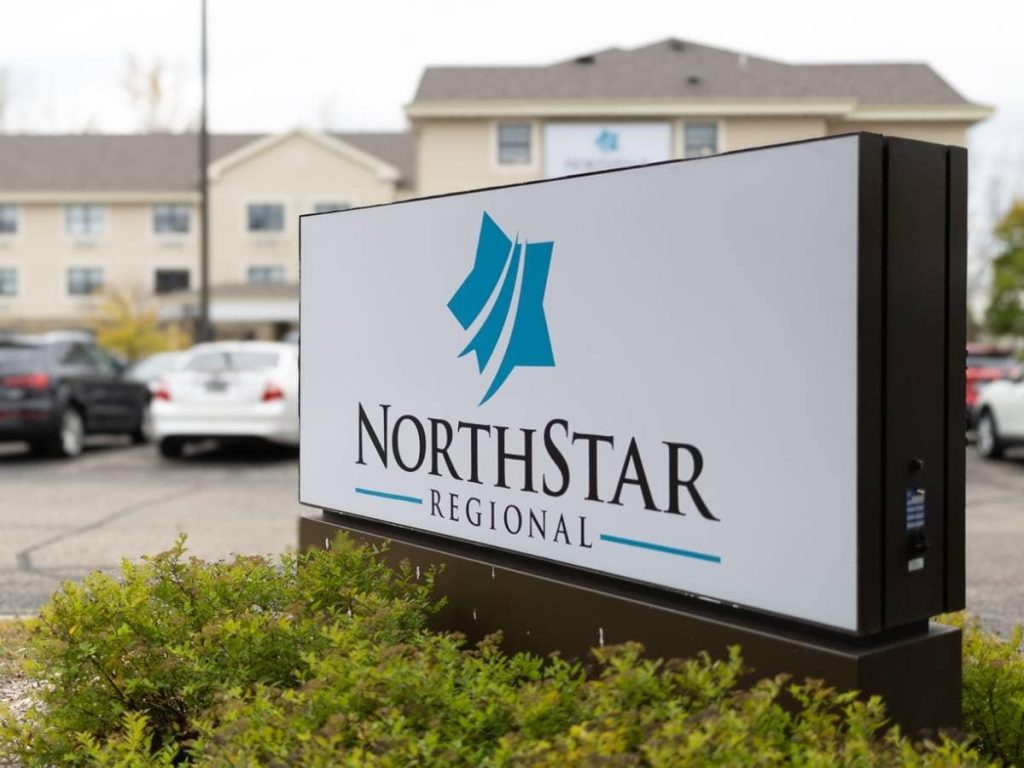
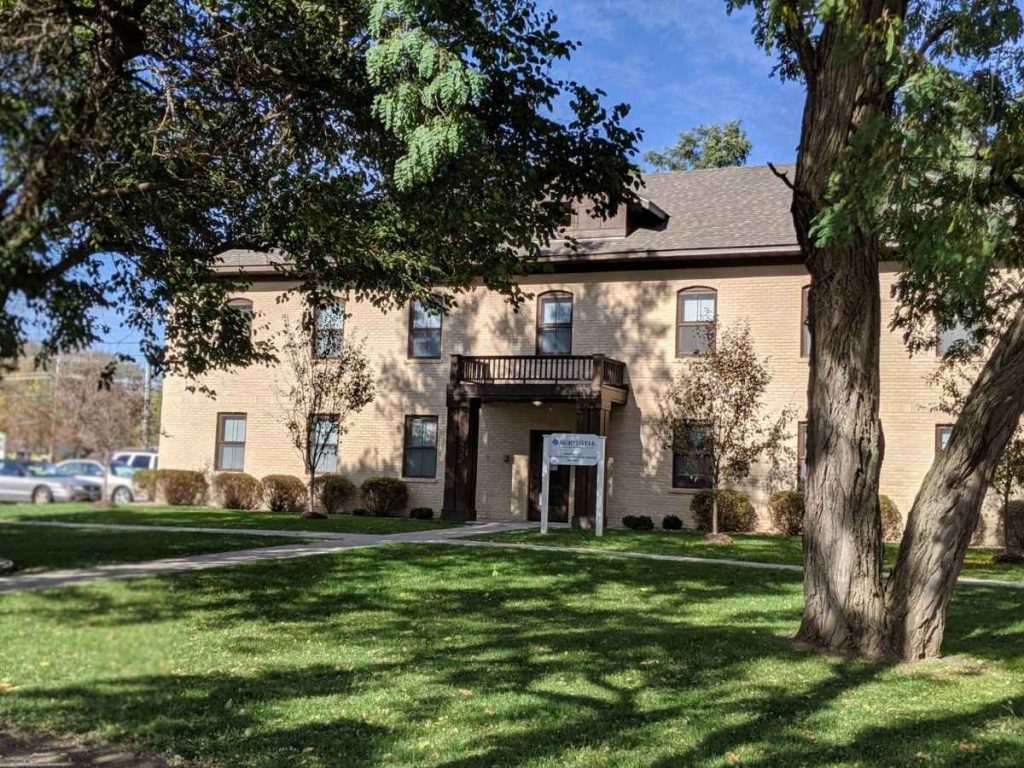
Our own mental health center at 500 Marschall Rd, Suite 100, offers a full range of outpatient mental health services. We serve the southwest metro and the whole Twin Cities area.
Telehealth Statewide
Secure video therapy from any part of Minnesota. Getting care never has to depend on a drive.
The Full Continuum
If alcohol or some other substance is the bigger story right now, one call routes you to the right campus. Or it routes you into the intensive outpatient program. Outpatient care picks the work back up after.
Our treatment programs serve adults 18 and older. If you need help for a child or teen, call anyway. We will point you to trusted community programs rather than leave you searching alone.

What Recovery Makes Possible
What Life Looks Like After Treatment
Mental health treatment is about the freedom to function: a job you can hold, school that stays on track, relationships that feel mutual, and an ordinary weekday that doesn’t need managing. Healing here looks like sleeping well again and spending less of your day worrying. Problems shrink back to the size they really are, and mornings stop being a struggle. You have the quiet hope that this week can go like last week, on purpose. That is mental wellness in practice: not becoming a different person, just getting your own life back under your control.
And healing is a family event. The people who love you have been holding their breath too, so family work is part of the program when you want it, and support services for families start early.
Before You Call
Signs You're Ready for Treatment
If you are asking, part of you already knows the answer. Maybe you have been forcing yourself through the anxiety for years, or the challenges pile up faster than you can cope. Or maybe the people around you have started saying something gently. You do not need a crisis to deserve treatment, and you do not need to be certain to start. Willing, even for a minute, is enough to make one phone call.
Ready does not mean unafraid. It means letting someone else carry the details while you carry the decision. You bring the minute of willingness, and we bring everything else. Our team is committed to making the first step the easiest one.
Reading this for someone you love? You can start the process on their behalf: contact us, and we’ll coach the conversation.

How Admission Works
What Happens From Your First Call to Your First Night
You did the hard part when you picked up the phone. Here is exactly what happens next, so nothing about day one is a mystery.
You Call and a Real Person Answers
A real person answers, usually within seconds, and asks one short question: substance use, or mental health? There is no phone tree, and you don’t have to tell your life story. We ask only what we need and handle the rest.
We Help with the Details
Our team helps review your benefits, and a short screening covers withdrawal risk, medical needs, and mental health, so you land at the right level of care. Then we schedule you, same day or next day whenever possible.
We Pick You Up
You get reminder calls and texts. Before pickup, your admissions coordinator and your driver call you together, so you know the name, the car, and the timing before it’s in your driveway. In the car: water, Gatorade, snacks, and a bagged lunch. Your driver, most often someone in long-term recovery, helps with your bags.
A Real Person Meets You When You Arrive
Your driver walks you inside and hands you off by name to the team member waiting for you. Your intake team completes your application with you. If you’re hungry, there’s a meal waiting. Treatment starts, and you never carried the logistics.
“The client has done the hard work by picking up the phone. We will carry them the rest of the way.”
Sarah Roy, Executive Vice President
Paying for Care
Insurance and Payment Options
Our team helps review your benefits and handles the paperwork with you. If you have no insurance, we help walk you through enrolling for benefits. County case managers, probation officers, hospitals, and crisis teams send clients to us because, in their words, we just get it done.

Insurance and State Funding
Commercial plans, Medical Assistance (Medicaid), county placements, and private pay. We verify benefits and handle the paperwork with you.
We Are Here to Help
We help review your benefits, find your right starting point, and schedule you for the same day or the next whenever possible. Then we pick you up anywhere in the Twin Cities metro.


Reviews from Google
Why Clients Choose NorthStar Regional
Don’t just take our word for it. Here is what alumni say about their time in treatment.
Who's behind the work
About NorthStar Regional
NorthStar Regional is Minnesota’s treatment system built around access: alcohol and drug treatment centers and mental health care across multiple Twin Cities metro locations. Founded in 2015, we provide one connected continuum: detox (withdrawal management), residential, outpatient, mental health, and a sober housing pathway. Separate men’s and women’s campuses, co-occurring care at designated programs, and no faith requirement set us apart. We accept Medical Assistance (Medicaid) and most major insurers, and if you are uninsured, our admissions team helps you through enrollment. A person can walk in with nothing and leave with everything they need to build a life.
Keep reading
Related Articles and Resources

Resources
Before You Call
How admissions works, guides for families, and the forms you can complete early. More resources are linked throughout the site, or contact admissions and we’ll send anything by email.
Questions we hear every day
Common Questions About Outpatient Mental Health
What qualifies as outpatient mental health?
Any mental health treatment you attend while living at home. That includes weekly therapy or therapy every other week, medication management, group therapy, and intensive outpatient programs. Outpatient treatment can scale up or down. At NorthStar Regional it runs from one visit at a time to a few set hours a week, matched to what you need.
Do I need a substance use diagnosis to be seen?
No. This is the one part of NorthStar where mental health care stands completely on its own. Adults come for therapy, assessments, or medication questions, full stop.
What conditions do you treat?
Depression, anxiety, bipolar disorder, trauma and PTSD, ADHD, and adjustment and attachment concerns. We also treat the mental illness picture that often travels with alcohol and substance use, whatever is causing it. If our treatment is not the right fit, we will say so. Then we help you find the center that is.
What is psychiatric day treatment, and do you offer it?
Day treatment (and a partial hospitalization program) is a structured level of mental health care, for several hours each day, between hospital and outpatient programs. Patients attend most of the day and sleep at home. We do not run a day treatment unit. Our structured option is the intensive outpatient program, but if day treatment is what you need, we will help you find it.
How long are outpatient mental health programs?
As long as they help. Some clients come for a season of weekly sessions. Others stay connected for years of check-ins with the same counselor. The intensive outpatient program usually runs a season, with hours that step down as you progress.
Is telehealth an option?
Yes, across the whole state of Minnesota. Secure video sessions carry the same care as the office. Many clients mix both: in person when they can, video when the week demands it, without rebuilding your schedule.
Will insurance cover outpatient mental health?
Coverage depends on your plan, the service, eligibility, and authorization requirements. Our team helps review your benefits and available payment options. Benefits verification is not a guarantee of payment.
What if I'm in crisis right now?
For psychosis, mania, or any crisis, call or text 988 or go to the nearest emergency room. Contact us once you’re safe, and we’ll pick the work up from there.
Admissions
Make the First Call and We'll Take It from There
Confidential, no obligation, and answered by someone who knows what you’re facing and cares to listen.