
Sober Living Housing in Minnesota
Sober living in Minnesota is the final stage of the NorthStar Regional continuum: substance-free housing with structure, accountability, and community. The pathway runs through our partner, A Way Out Sober Living, which operates homes in Chaska, Shakopee, and Carver for men and women. Residents work, study, and parent like anyone else, with a live-in house manager keeping the standards real. Outpatient care and mental health support stay close through our Shakopee clinic. Housing protects a recovery that is still new, and here recovery gets an address.
The program at a glance
Sober Living
The rest of the way
Level of Care
Our sober living homes are substance-free, with structure and a sense of community. They give you a stable place to live as you settle back into daily life after treatment.
Twin Cities metro
Men's and women's pathways
Community
Operated with A Way Out Sober Living
Licensed Treatment Programs

Founded 2015
Addiction and mental health care in one system

Multiple Campuses
Across the Twin Cities metro

MN Department of Health: Licensed
MN Department of Human Services: Licensed
Recovery needs an address
Why Sober Housing Matters
Housing is relapse prevention. A year of clinical progress can be lost in a month of living in the wrong place with the wrong people. That is why the NorthStar Regional continuum doesn’t end with a discharge plan. It ends with a safe place to live, close to Minneapolis and St. Paul. Sober living in Minnesota through our continuum means a substance-free residence, house rules that support recovery every day, and peers who are building the same kind of life. It is one way among many that we protect your sobriety while it is still new.
At this stage, the kind of support you get changes on purpose. Less comes from the institution, more from the community. Outpatient care and alumni connections stay within reach. But you now run your own life, and your main job is to keep up what you built in treatment.
One Full Continuum
Where Sober Living Fits in the Full Continuum
Sober living is stage six of six. Residents typically arrive through relapse prevention after residential treatment, and the full path from detox to here runs a year to 18 months. Earlier stages teach you the routines and habits of recovery. In this stage, you use them in everyday life.
About 3 to 7 days
Medical Detox
Safe drug and alcohol withdrawal with 24-hour nursing at the withdrawal management center in Eden Prairie, for alcohol, opioids, and benzodiazepines.
About 35 to 50 days
Inpatient Rehabilitation
The flagship program: 35 to 50 days of live-in treatment on separate men’s and women’s campuses.
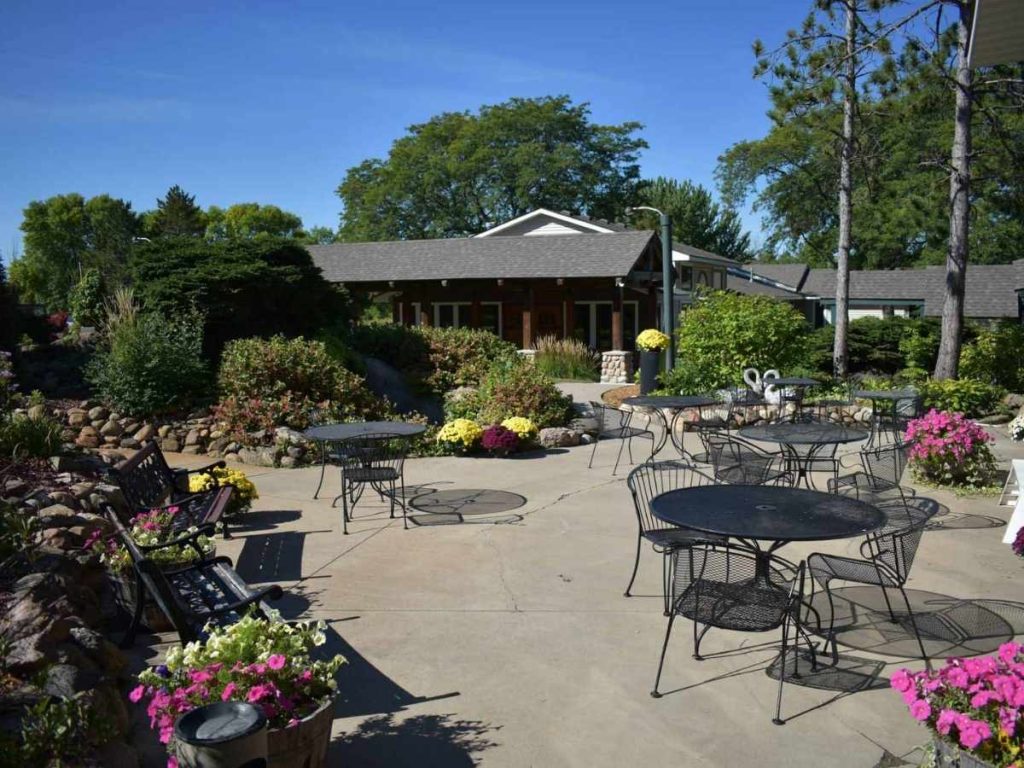
85 to 105 connected days
Low-Intensity Residential
A home with recovery support while you build back your own life.
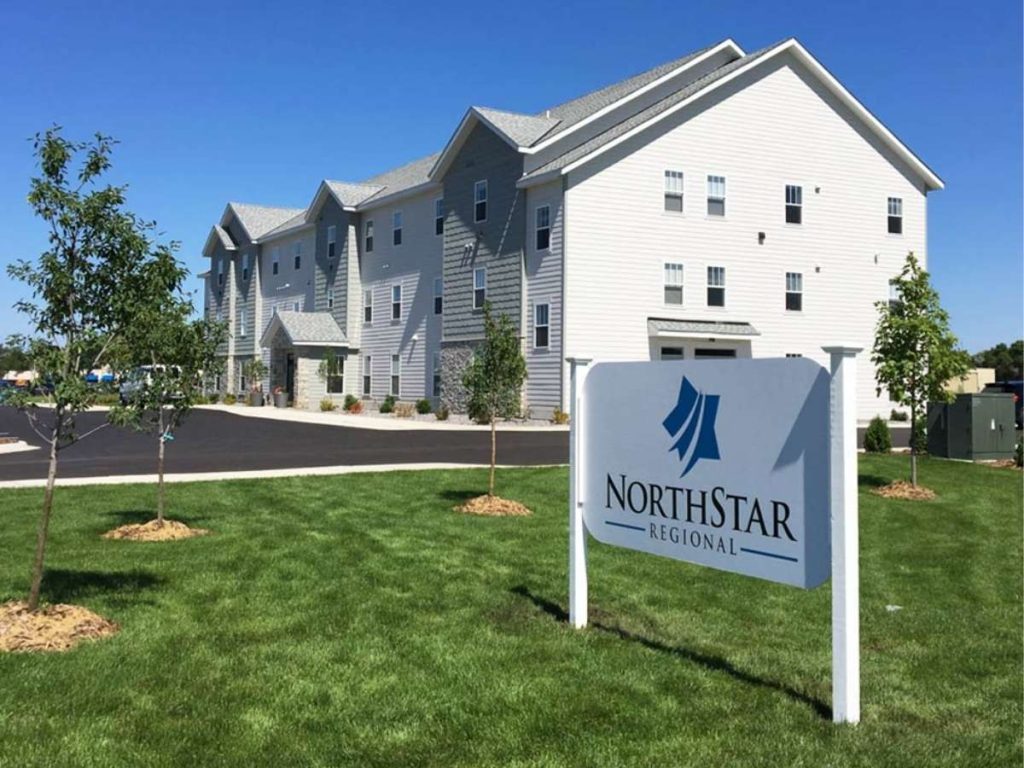
With or without lodging
Intensive Outpatient
Outpatient treatment that fits around work and family, with a place to stay if needed.

6 to 8 months or longer
Relapse Prevention
Weekly sessions and peer support through the months that matter most. We watch closely for early warning signs.
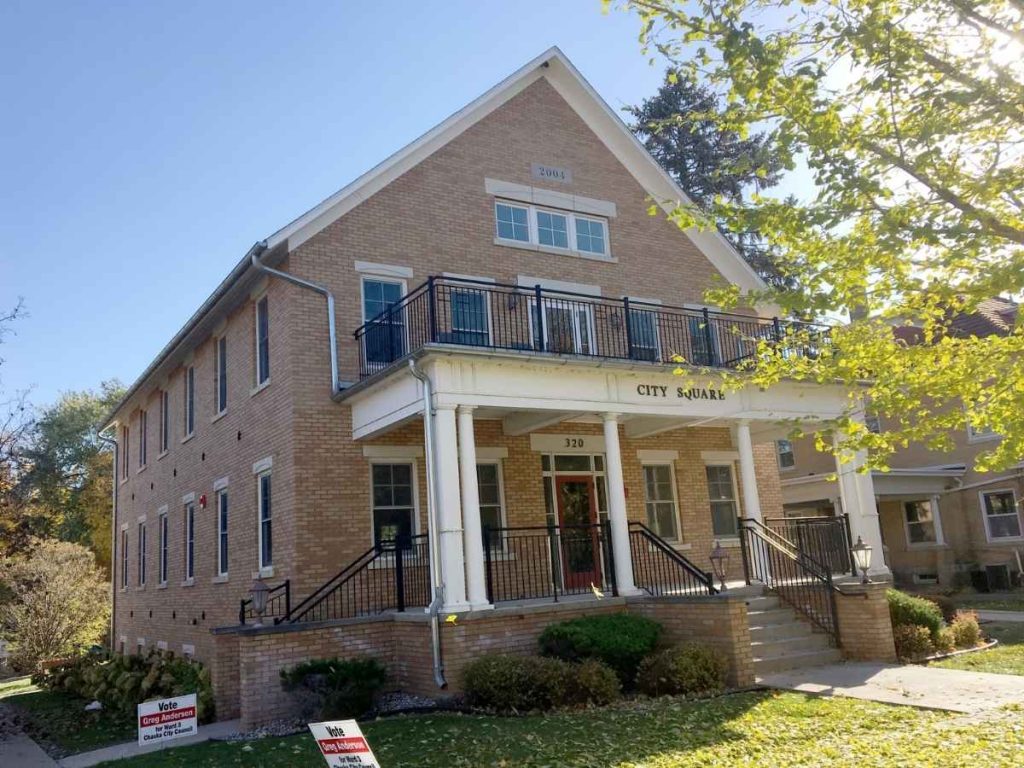
The rest of the way
Sober Living
Substance-free housing where recovery gets an address.
Structured Sober Living
What Our Sober Living Housing Offers
Ordinary days, held by steady structure. Every home in the sober living pathway through our partner, A Way Out Sober Living, runs on the same three things.
Your Life Comes First Here
Residents work, study, and parent like anyone else. The house asks that the life you are building stays the priority, and that rent, paid by the month, becomes part of learning to run it.
Structure and Accountability
Our homes are substance-free, always. Residents follow house expectations, share chores, and practice honesty with each other. It is structured living with no institution in sight, and that structure protects a recovery that is still new.
A Live-In House Manager
Every home has a live-in house manager, someone in solid recovery. They keep the standards real, notice a hard week early, and hold the house to its own rules. That is what makes these sober homes, rather than houses where people happen to be sober.
Addiction and dual diagnosis
Treating Substance Use and Mental Health Together
Mental health care does not end when treatment does. During sober living, outpatient mental health care stays within reach through our outpatient clinic in Shakopee and by telehealth. Depression left untreated in month ten can undo everything built in months one through nine. If the mental health problems behind substance use go untreated, one hard stretch can lead to relapse. So we keep both kinds of care going.
For Addiction
Every substance we treat, alcohol included, from the first assessment through sober living. Each is explained on its own page.
For Mental Health
Mental health treatment on its own, with no established diagnosis needed to contact us. It is offered through our outpatient clinic in Shakopee, in person or by telehealth.
Inside Treatment
Ongoing Support While You Live Here
Scheduled treatment hours taper off. The supports that stay are the ones you can keep up with in everyday life, like meetings, check-ins, and peers.
Outpatient Connection
Individual sessions and mental health care as needed. These happen at our outpatient clinic in Shakopee or by telehealth. Care goes on at whatever level you need.
Family Therapy
Relationships are a big part of recovery. Family sessions go on as needed. The family is most often rebuilding too.
Alumni and Peer Community
Alumni events, peer support meetings of your choosing, and people who notice a bad week before it turns into a bad month. Residents take part in the recovery community they will keep for life.
Where this pathway runs
Recovery Housing Through a Way Out Sober Living
A Way Out Sober Living
A Way Out Sober Living (AWOSL), our partner, runs the sober living homes in Chaska, Shakopee, and Carver. AWOSL is built on lived experience, accountability, hope, and community, led by founder Derrick Haase. Recovery housing is AWOSL’s whole mission. They provide the homes, and we provide the clinical care around them.
Sober Living in Everyday Homes
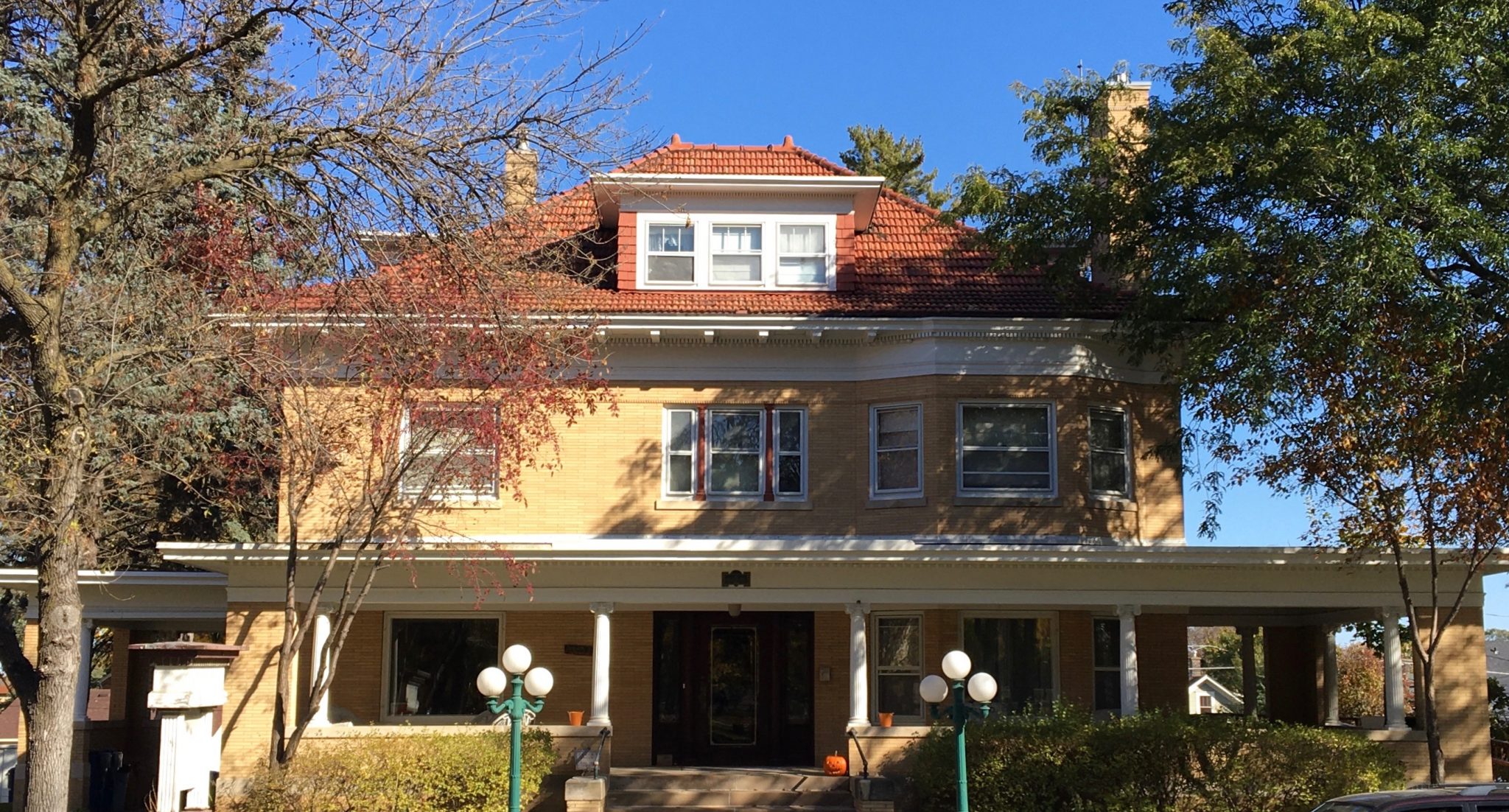
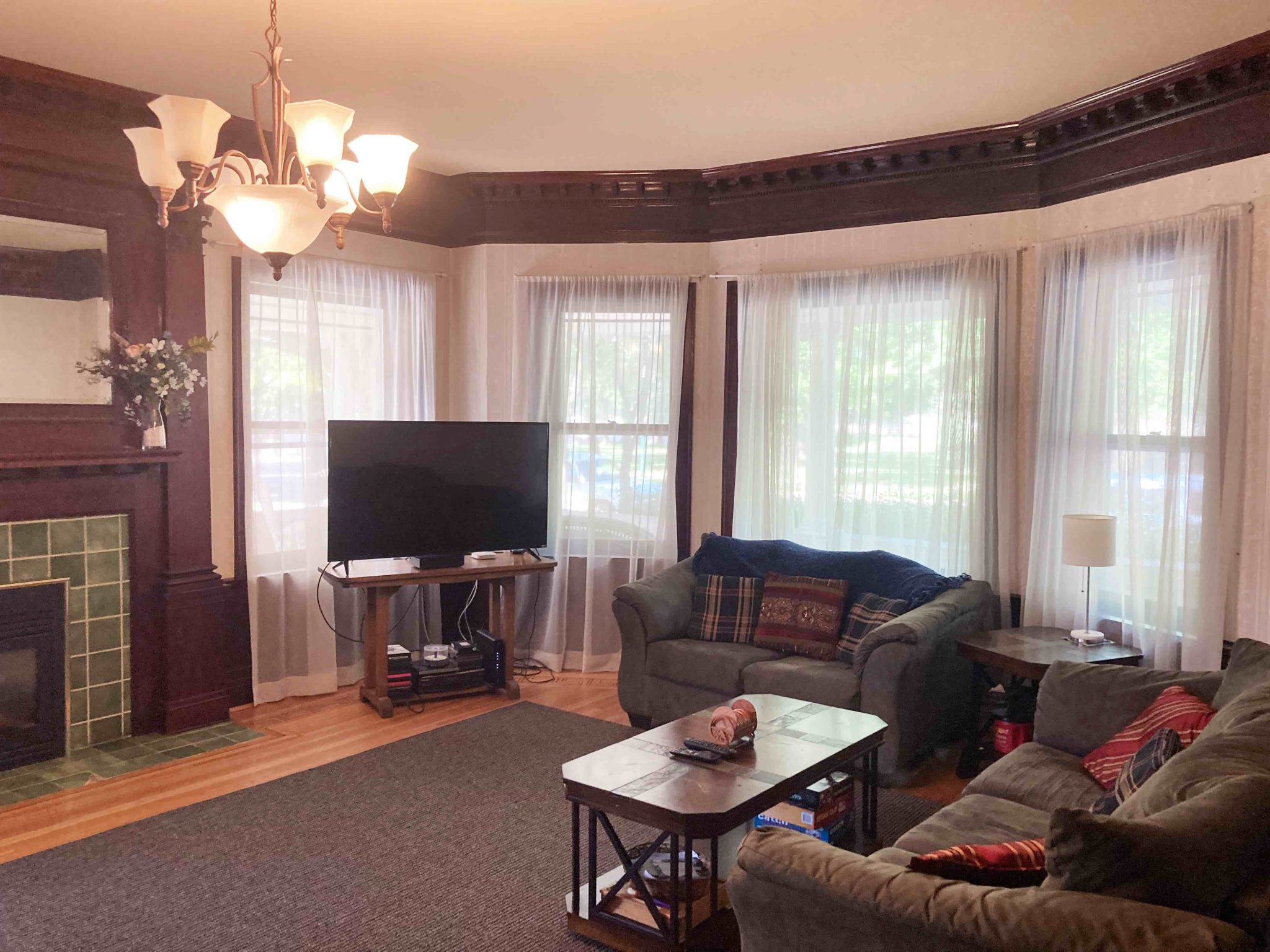
Each home is an ordinary house on an ordinary street, not a facility with an amenities list. The homes are clean and safe, and they are run by our partner, A Way Out Sober Living. They are close to our outpatient clinic in Shakopee and our men’s treatment center in Chaska, with homes for men and a separate pathway for women.
How to Start
A call to NorthStar Regional is a good place to start. Call today and tell us you are asking about sober housing. Our admissions team will talk through where you are in recovery and connect you with A Way Out Sober Living, which runs the housing and its own application. The call is short.

What Recovery Makes Possible
What Life Looks Like After Treatment
Recovery is about the freedom to function: a job you can hold, a family that trusts you again, an ordinary weekday that doesn’t need managing. Sober living is where Minnesotans prove to themselves that recovery works. That means the first month’s rent paid on time, and a winter and a summer both gotten through sober. It means your own key to your own home again. You keep building your life while the house gives you a stable place to do it. Over time, long-term sobriety stops being something you promise and becomes something you have really done.
Healing involves the whole family. Families watch this stage with more hope than any other, because recovery here looks like ordinary life, on purpose. Our support for families goes on right through it, with the focus on keeping what has been built.
Reviews from Google
Why Clients Choose NorthStar Regional
Don’t just take our word for it. Here is what alumni say about their time in treatment.
Who's behind the work
About NorthStar Regional
NorthStar Regional is Minnesota’s treatment system built around access: alcohol and drug treatment centers and mental health care across multiple Twin Cities metro locations. Founded in 2015, we provide one connected continuum: detox (withdrawal management), residential, outpatient, mental health, and a sober housing pathway. Separate men’s and women’s campuses, co-occurring care at designated programs, and no faith requirement set us apart. We accept Medical Assistance (Medicaid) and most major insurers, and if you are uninsured, our admissions team helps you through enrollment. A person can walk in with nothing and leave with everything they need to build a life.
Keep reading
Related Articles and Resources

Resources
Before You Call
How admissions works, guides for families, and the forms you can complete early. More resources are linked throughout the site, or contact admissions and we’ll send anything by email.
Questions we hear every day
Common Questions About Sober Living
What is sober living?
A substance-free home with structure, accountability, a house manager, and peers who are building the same kind of life. It is run by our housing partner, A Way Out Sober Living. Many clients move there after treatment at NorthStar Regional.
How do sober living homes work day to day?
Day to day, residents live much like anyone else. They go to work or school, care for their kids, pay rent, share chores, and keep the house substance-free. Each person also goes to meetings and outpatient care as their plan calls for, and a house manager makes sure everyone follows the house rules.
Where are your sober homes?
A Way Out Sober Living (AWOSL), our partner, runs sober living homes in Chaska, Shakopee, and Carver. They serve people from across the Twin Cities metro, Minneapolis and St. Paul included. Placements are arranged as residents complete relapse prevention.
How long do people stay?
As long as it is useful, commonly several months to a year or more. The right length is whatever lets you leave for a stable home and a stable life.
Who pays for sober living?
Usually, residents pay for sober living themselves, with a monthly fee much like rent. Paying your own way is part of getting ready for life after treatment. The treatment programs before sober living are usually covered by insurance or public funding. Our team can help you review your benefits and go over the costs with you.
Do I have to finish treatment first?
Not always. Many residents come to sober living from NorthStar Regional’s treatment programs, but the homes also accept people who are in active recovery and give them priority. Call either number, and we can help you figure out what fits your situation and where to apply.
What's the difference between a sober home and a halfway house?
Sober living homes are recovery housing you choose to enter, run with your peers. Most are owned by private, independent owners and certified through the Minnesota Association of Sober Homes (MASH). Halfway houses are different. They are often run by institutions or tied to the courts, with formal programming on site. What matters is fit, standards, good management, and whether the home helps you keep growing.
Is a sober home safe?
A good one is the safest sober housing in early recovery. It is substance-free by rule and run by someone in solid recovery. Because it is certified against real standards, problems get handled early. Ask about certification from the Minnesota Association of Sober Homes (MASH publishes a directory). Then meet the house manager, learn how the home runs, and trust what you see on the site visit.