
PTSD and Trauma Treatment in Minnesota
PTSD treatment in Minnesota at NorthStar Regional comes two ways: outpatient trauma therapy, or residential care when substances are involved. Safety comes first: you set the pace, and nobody makes you retell the details. Trauma skills, CBT, DBT, and EMDR run at our Shakopee clinic, by telehealth, and in residential care. For many clients, a substance was the only thing that quieted the symptoms, so both get one plan. We accept Medical Assistance (Medicaid) and most major insurers, and PTSD is not weakness but a nervous system stuck in the event.
Trauma care at a glance
Medical Detox
When a substance has been used to quiet the symptoms, safe medical withdrawal comes first. That happens at our withdrawal management center in Eden Prairie, with 24-hour nursing.
Inpatient Rehabilitation
Trauma work, with the safety and structure of residential care around it, when substance use is also involved.
Low-Intensity Residential Treatment
Residential living focused on recovery, when drinking or drug use is part of the picture. You rebuild your independence while the trauma work settles in.
Intensive Outpatient
Ongoing trauma-focused care that fits around work and family. In person or online, with group therapy at its core.
Relapse Prevention
Weekly sessions that watch for early warning signs. Untreated trauma is one of the most common causes of relapse.
Licensed Treatment Programs

Founded 2015
Addiction and mental health care in one system

Multiple Campuses
Across the Twin Cities metro

MN Department of Health: Licensed
MN Department of Human Services: Licensed
Understanding the Condition
What PTSD Is
Posttraumatic stress disorder happens when a traumatic event overwhelms the mind’s ability to process it. Instead of becoming a memory, something that happened in the past, the event still feels like it is happening now. It breaks into the present through flashbacks, nightmares, a body that never fully relaxes, and being startled very easily. PTSD is not weakness, and it is not dwelling on the past. It is a nervous system that could not process the event and move on, and its symptoms have specific treatments that work. Left untreated, PTSD raises the risk of depression, anxiety disorders, chronic pain, and substance use. Substances may dull the symptoms for a while, but they cause more harm over time. Healing is possible at every stage. The earlier PTSD treatment starts, the sooner healing happens.
Trauma and addiction are deeply connected. For a large share of the people we treat, the substance was the only thing that made the trauma symptoms bearable. Because of that, treating the addiction without treating the trauma under it leaves the cause in place. So at NorthStar Regional, trauma care is part of treatment at every level of care. It goes at a pace you set, with safety built in first.

What it Looks LIke
Signs and Symptoms of PTSD
Trauma shows up in many ways. These are the PTSD symptoms behind them.
The Past Arrives Uninvited
Flashbacks and unwanted images that break into a normal afternoon. They feel as intense as the event itself.
Sleep Is Enemy Territory
Nightmares on repeat, dreading bedtime, checking the house at 3am. You can’t let your guard down enough to sleep.
The Body Stays Braced
Startling at nothing, muscles that never relax, exhaustion from being tense all day without knowing why. Your body is still reacting to the trauma.
Whole Territories Are Avoided
Places, dates, smells, conversations. You avoid reminders without thinking about it, and you have stopped noticing how much of daily life you avoid.
Numb Where Feelings Were
Feeling disconnected from the people you love, even when they are right there. Numbness is how trauma protects you from pain, but it takes away the good feelings too.
Something Quiets It
The drink, the pill, anything that makes the symptoms stop for a while. When a substance is the only thing that eases the trauma symptoms, both conditions need one plan.
You don’t need to check every box, and a checklist can’t diagnose you. If several of these symptoms sound familiar, a comprehensive assessment gives you a clear answer. Mental health care at NorthStar Regional is open to you, with no established diagnosis needed to contact us. Our outpatient clinic in Shakopee sees adults with or without a history of substance use. Reading this for someone you love? Families start here every week. See our guide for parents or our guide for spouses and partners.
Trauma and Addiction: Treating Co-Occurring Disorders Together
More addictions are rooted in trauma than in anything else, whether the substance is alcohol, opioids, meth, or something in between. Seeing that link changes how treatment works. The substance stops being the whole problem, and treatment can finally focus on the cause. Here, we treat the addiction and the trauma together as co-occurring disorders. That means a mental health condition and a substance use problem at the same time. They get one plan and one team at designated programs, whether the paperwork says substance abuse, substance use disorder, or nothing official yet. Explore both sides below, with each condition and substance explained in depth.
Mental Health Treatment by Condition
Addiction Treatment by Substance
How We Treat It
How Our PTSD Treatment Program Works
Safety first, always. Trauma work begins with getting stable, grounding, and healthy coping skills, not with telling the story. Nothing gets touched before you are ready, you control the pace throughout, and you never have to narrate details to heal. The focus stays on your stability, and the work stays patient. Within that structure, the clinical core is trauma-specific and built on therapies proven by research. Trauma skills work helps your body calm down so healing can start. CBT works on the beliefs the event left behind, while DBT-informed skills help with the intense emotions along the way.
For trauma that comes with substance use, residential care matters because safety is structural: consistent days, a team that knows your treatment plan, group counseling where isolation breaks, art and music programming that reach what words cannot, and no requirement to hold it together for anyone. The addiction work runs in the same plan, because sobriety that leaves the trauma untreated tends not to last, trauma work attempted mid-addiction tends not to land, and PTSD and addiction untangle together. Family therapy helps the people around you understand what changed and how to help, added as you are ready, and medication management runs through our medical partner where medication genuinely serves the healing.
Levels of care
PTSD Treatment Options by Level of Care
PTSD symptoms scale, and so should PTSD treatment. Trauma care runs inside every level of care we offer. Your comprehensive assessment matches you to the right one. Outpatient services offer weekly trauma therapy and group counseling. An intensive outpatient program meets a few times a week around work, in person or by video. Residential treatment is there when symptoms and substance use together need full-time structure. Medication management through our medical partner is offered at every level. Life does not pause for treatment. So most trauma care happens at the outpatient level. The focus at every level is the same: safety first, then the trauma work, then recovery at the right pace. Depression and other conditions often come with trauma. You can move up or down between levels of care as you get stronger.
Am I ready?
Signs You're Ready for Trauma Treatment
Nobody feels ready to face trauma. Here is what readiness actually looks like.
You're Tired of Managing It
The avoidance, the sleep tricks, the substances: managing trauma takes constant effort, and struggling in private is still struggling. Being tired of that effort is reason enough to start treatment.
Telling Isn't Required
If what stops you is dread of having to tell the story, you don’t have to. EMDR works without narrating the details, and no one here will make you relive your worst day.
The Off Switch Is Failing
Does the drinking or using that used to quiet it now need more and give less? Then the window for treating both together is open right now.
You don’t have to wait until you feel ready. Make the call while you are willing. Here is how admissions works, and how the assessment turns “maybe” into a treatment plan built around your history. Healing starts with the call, not the day you arrive.
Where you can get help
Treated Across NorthStar Regional Locations in the Twin Cities
You don’t have to find the one building that treats this. Co-occurring addiction and mental health care is available at designated programs, and standalone mental health care is available at our outpatient clinic in Shakopee. Your comprehensive assessment matches you to the right campus and level of care.
Medical detox + men’s care
Withdrawal Management Center | Eden Prairie
Where most people start: our only campus with medical detox, with nurses on site 24 hours a day.
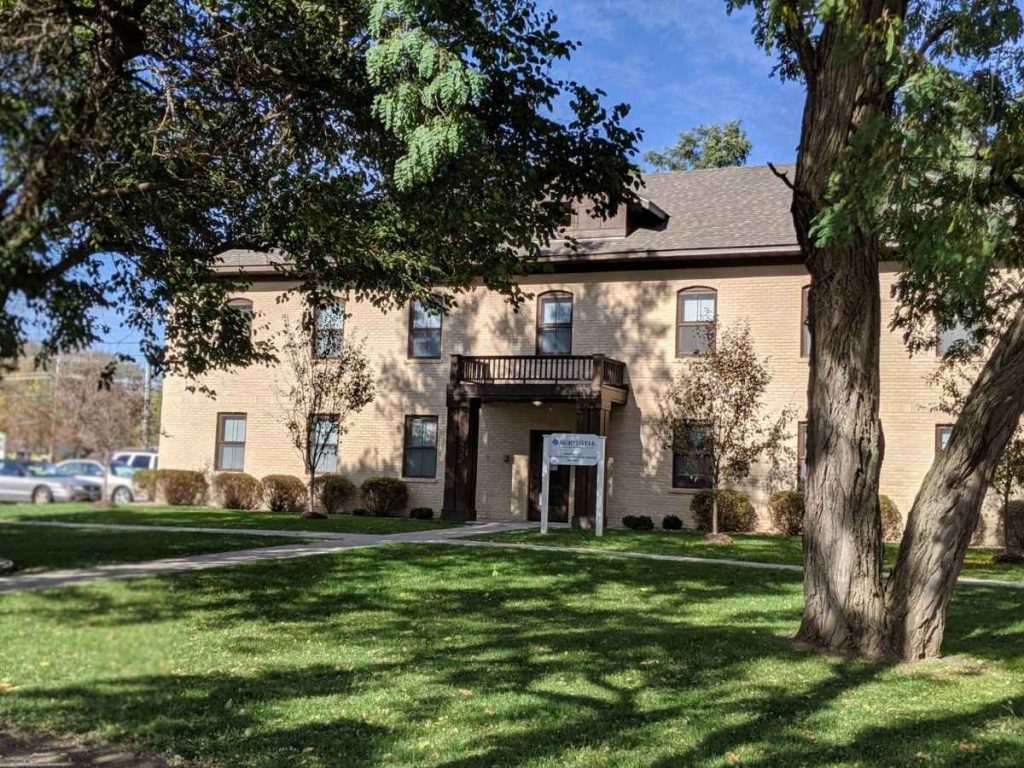
Men’s IOP with lodging
Men's Treatment Center | Chaska
Intensive outpatient therapy with a place to stay, so you can start recovery before you have housing lined up.
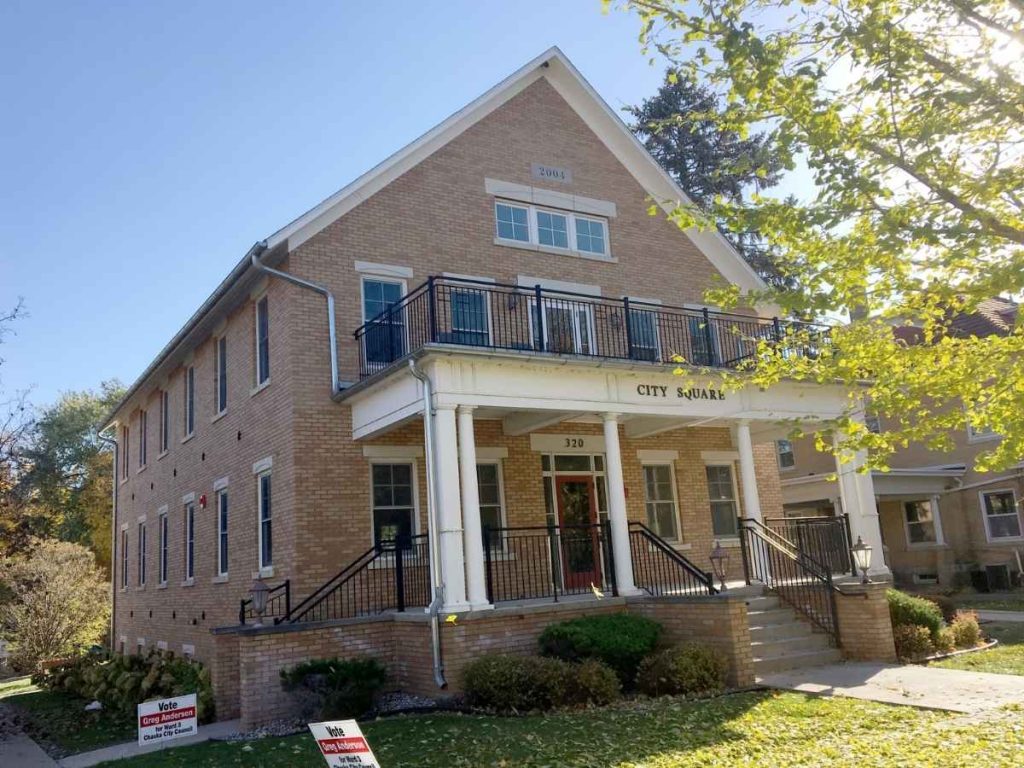
Women’s campus
Women's Treatment Center | Chaska
A fully separate women’s campus in downtown Chaska. The Klein Mansion lets women move from residential into IOP with lodging.
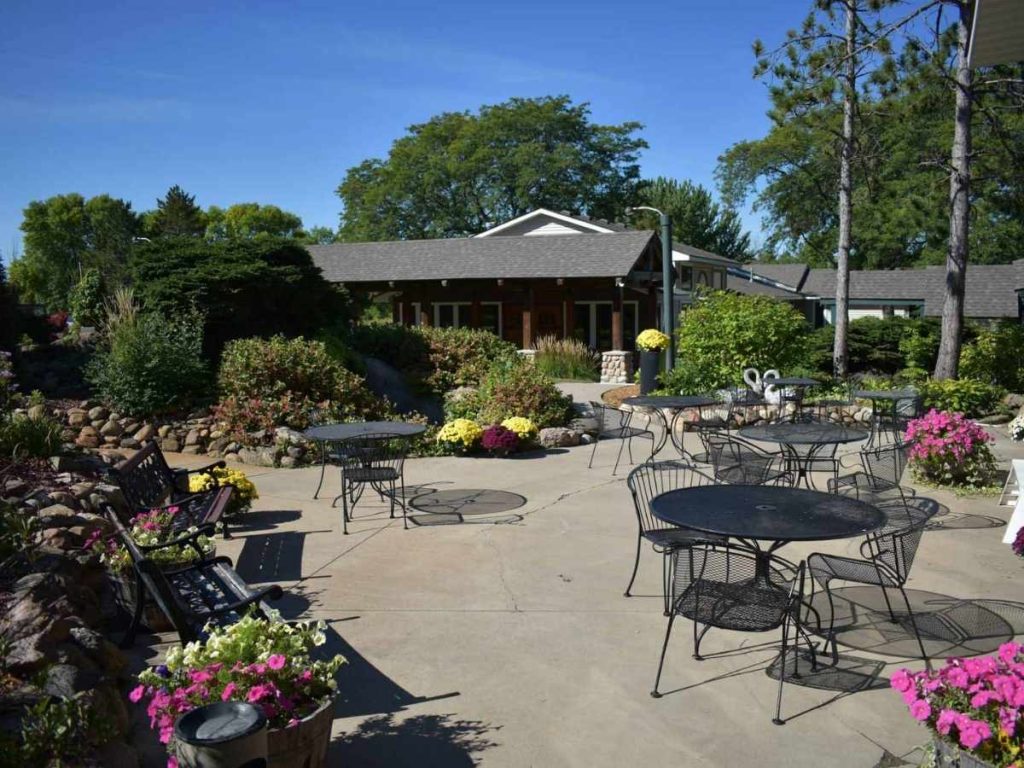
Men’s residential
Men's Treatment Center | Otsego
32 wooded acres on the river, with outdoor groups and a gym, serving the northwest metro.
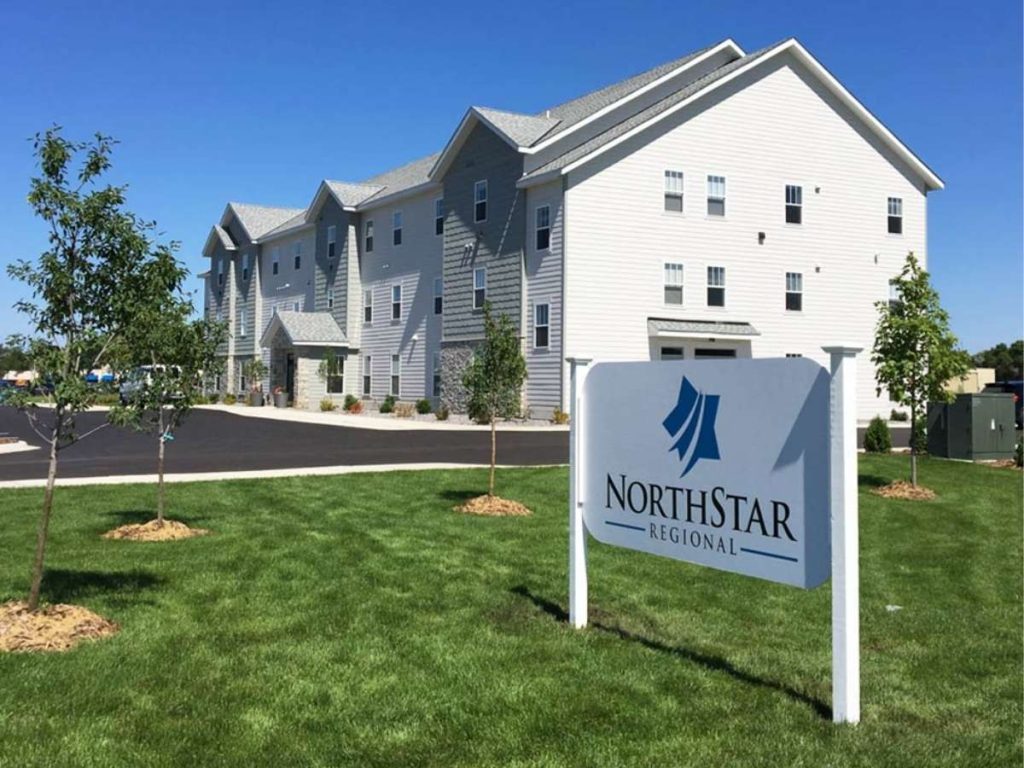
Men’s residential
Men's Treatment Center | Shakopee
A home on a residential street, not a hospital wing, minutes from our outpatient center.
Outpatient clinic
Outpatient Mental Health Clinic | Shakopee
Counseling, assessments, and standalone mental health care, in person or by telehealth. No established diagnosis needed to contact us.
Where treatment happens
The Programs That Treat Trauma
PTSD care runs inside every level of care. Your assessment matches you to it, in comprehensive programs built for both conditions.

When substances co-occur
Medical Detox
When a substance has been used to quiet the symptoms, safe medical withdrawal comes first. That happens at our withdrawal management center in Eden Prairie, with 24-hour nursing.
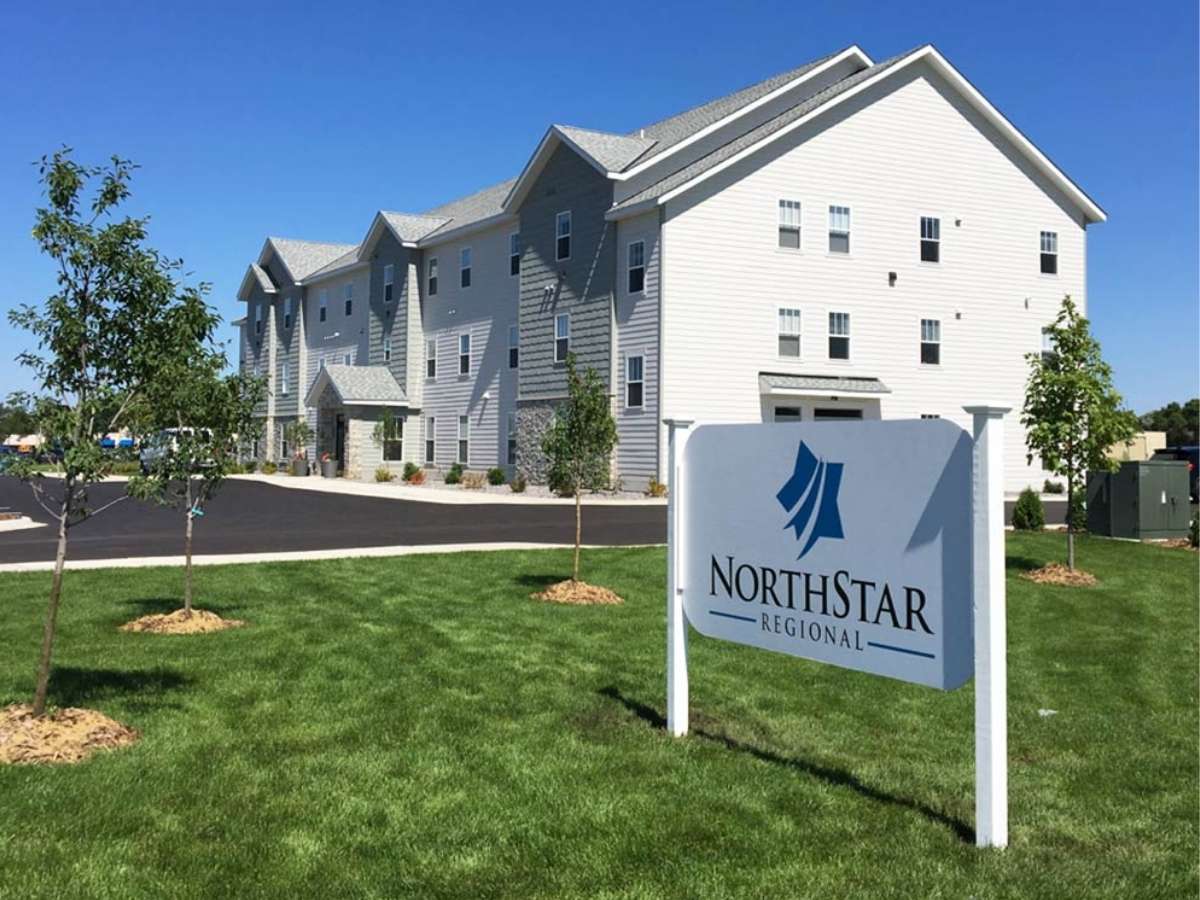
About 35 to 50 days
Inpatient Rehabilitation
Trauma work, with the safety and structure of residential care around it, when substance use is also involved.
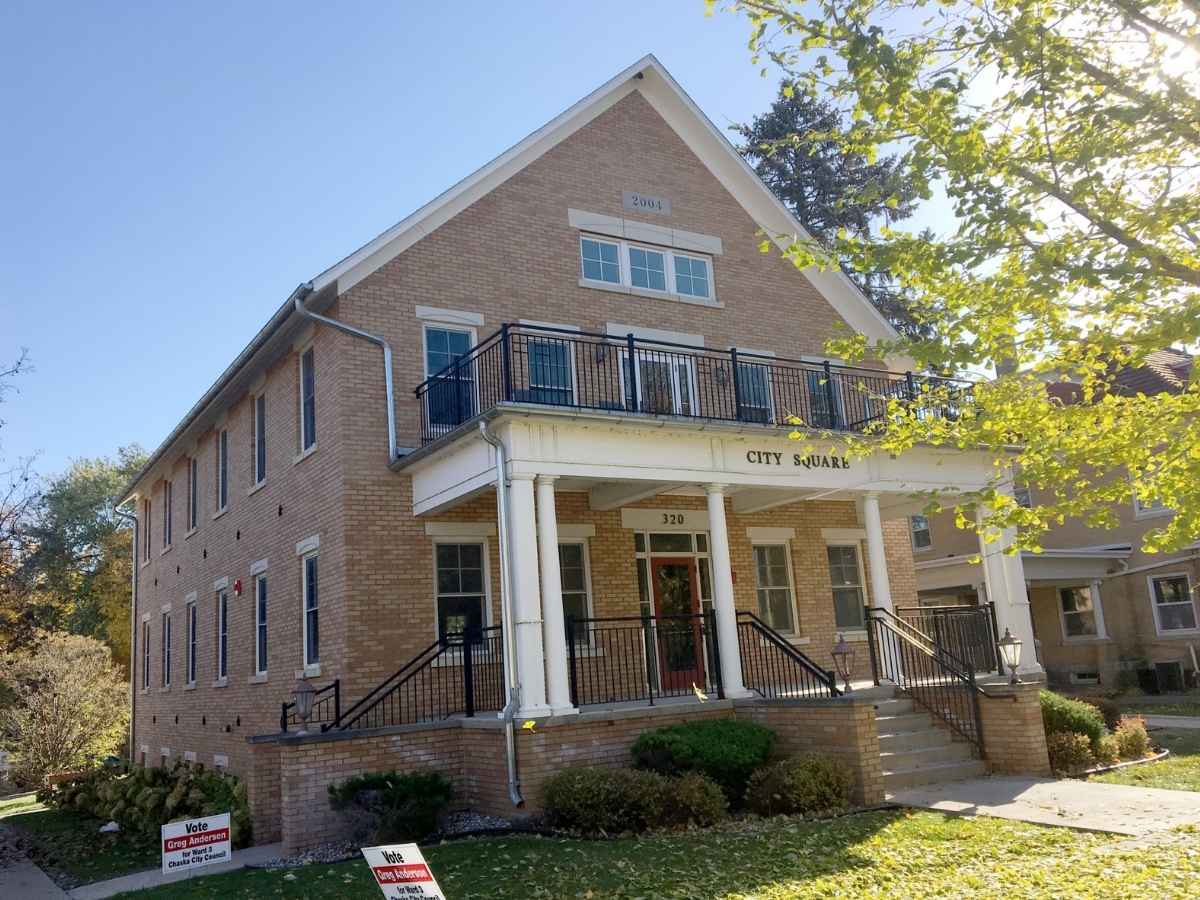
85 to 105 connected days
Low-Intensity Residential Treatment
Residential living focused on recovery, when drinking or drug use is part of the picture. You rebuild your independence while the trauma work settles in.

With or without lodging
Intensive Outpatient
Ongoing trauma-focused care that fits around work and family. In person or online, with group therapy at its core.

6 to 8 months or longer
Relapse Prevention
Weekly sessions that watch for early warning signs. Untreated trauma is one of the most common causes of relapse.
Ongoing
Outpatient Mental Health
EMDR and trauma therapy at our outpatient clinic in Shakopee. These are outpatient services. No established diagnosis is needed to contact us.
Who's behind the work
About NorthStar Regional
NorthStar Regional is Minnesota’s treatment system built around access: alcohol and drug treatment centers and mental health care across multiple Twin Cities metro locations. Founded in 2015, we provide one connected continuum: detox (withdrawal management), residential, outpatient, mental health, and a sober housing pathway. Separate men’s and women’s campuses, co-occurring care at designated programs, and no faith requirement set us apart. We accept Medical Assistance (Medicaid) and most major insurers, and if you are uninsured, our admissions team helps you through enrollment. A person can walk in with nothing and leave with everything they need to build a life.
Paying for Care
Insurance and Payment Options
Our team helps review your benefits and handles the paperwork with you. If you have no insurance, we help walk you through enrolling for benefits. County case managers, probation officers, hospitals, and crisis teams send clients to us because, in their words, we just get it done.

Insurance and State Funding
Commercial plans, Medical Assistance (Medicaid), county placements, and private pay. We verify benefits and handle the paperwork with you.
We Are Here to Help
We help review your benefits, find your right starting point, and schedule you for the same day or the next whenever possible. Then we pick you up anywhere in the Twin Cities metro.


How Admission Works
What Happens From Your First Call to Your First Night
You did the hard part when you picked up the phone. Here is exactly what happens next, so nothing about day one is a mystery.
You Call and a Real Person Answers
A real person answers, usually within seconds, and asks one short question: substance use, or mental health? There is no phone tree, and you don’t have to tell your life story. We ask only what we need and handle the rest.
We Help with the Details
Our team helps review your benefits, and a short screening covers withdrawal risk, medical needs, and mental health, so you land at the right level of care. Then we schedule you, same day or next day whenever possible.
We Pick You Up
You get reminder calls and texts. Before pickup, your admissions coordinator and your driver call you together, so you know the name, the car, and the timing before it’s in your driveway. In the car: water, Gatorade, snacks, and a bagged lunch. Your driver, most often someone in long-term recovery, helps with your bags.
A Real Person Meets You When You Arrive
Your driver walks you inside and hands you off by name to the team member waiting for you. Your intake team completes your application with you. If you’re hungry, there’s a meal waiting. Treatment starts, and you never carried the logistics.
“The client has done the hard work by picking up the phone. We will carry them the rest of the way.”
Sarah Roy, Executive Vice President
Reviews from Google
Why Clients Choose NorthStar Regional
Don’t just take our word for it. Here is what alumni say about their time in treatment.
Keep reading
Related Articles and Resources


Resources
Before You Call
How admissions works, guides for families, and the forms you can complete early. More resources are linked throughout the site, or contact admissions and we’ll send anything by email.
Questions we hear every day
Common Questions About Trauma and Stress Disorder Treatment
Do I have to talk about what happened?
No. EMDR, our core trauma therapy, works without narrating details: you notice what surfaces during brief guided sets while staying fully in control. You share what you choose, when you choose.
What's the difference between trauma and PTSD?
Trauma is living through a traumatic event. Posttraumatic stress disorder (PTSD) is when symptoms from that event don’t go away, such as unwanted memories, avoidance, always being on guard, physical tension, and feeling numb. Stress after a trauma that fades on its own isn’t PTSD, because the diagnosis is about symptoms that last. You don’t need the formal label to deserve treatment, though. Our assessment helps sort it out.
When is inpatient treatment or residential care the right call?
Residential care is usually the right call when weekly therapy is no longer enough for your trauma symptoms and you’re using substances to cope with them. Residential treatment gives you a safe, stable setting for deeper trauma work. A partial hospitalization program (PHP) falls between outpatient and residential care. We don’t offer PHP, but we’ll help you find one. Hospital inpatient treatment is for immediate safety crises, and after a hospital stay, we can help you figure out the right next step. If you’re in danger of self-harm right now, call or text 988 first, then call us.
Can you treat trauma and addiction at the same time?
Yes. Co-occurring disorders are exactly what we are built for. Trauma and addiction are closely linked, and treating them separately tends to fail in both directions. You get one plan and one team, with the trauma work paced to your stability, and recovery from both happening at once.
Does EMDR really work?
Yes. EMDR is among the most studied trauma treatments there are, recognized by the American Psychological Association and the VA for PTSD. Most clients find relief without ever telling the story of the event. It doesn’t erase memories. Instead, it lowers the emotional pain tied to them, so they feel like the past instead of something still happening. That is measurable healing, and the start of lasting recovery.
What kinds of trauma do you treat?
We treat trauma from single events and from long histories. That includes violence, loss, childhood experiences, complex trauma that builds over years, and military and first-responder trauma. We also treat trauma that adults have struggled with quietly for decades, often because no one ever named it. We treat adults of every age, including young adults. If trauma is still affecting your daily life, it’s worth talking to us.
What about trauma and eating disorders?
They often go together, and trauma can raise the risk of an eating disorder. NorthStar Regional doesn’t offer eating disorder treatment. If you have an eating disorder, there are specialized programs in Minnesota, and we’ll help you find one. We can also coordinate the trauma and substance use care we do offer alongside that treatment, because eating disorders are best treated by specialists.
Do you treat children or adolescents with PTSD?
No. Our treatment programs serve adults 18 and older. Children and teens with trauma need care designed for their age, so your county’s children’s mental health services or a pediatric trauma specialist is the best place to start. If you’re an adult still affected by trauma from childhood, we do treat that. Many of our clients grew up in difficult homes and came to us to break the cycle.
How do I help a family member with PTSD?
Start by learning how PTSD works before you push them to change. Someone with posttraumatic stress isn’t choosing to startle easily, pull away, or drink. Pressure can feel like a threat to them. Stay calm and steady instead of asking a lot of questions, read our guides for families, and call us for coaching. Support for the whole household is part of trauma treatment, and family healing happens alongside your loved one’s own recovery.
Does insurance cover trauma treatment?
Coverage depends on your plan, the type of service, your eligibility, and any authorization requirements. Our team can help you review your benefits and payment options. Benefits verification is not a guarantee of payment.
Admissions
Make the First Call and We'll Take It from There
Confidential, no obligation, and answered by someone who knows what you’re facing and cares to listen.