
Depression Treatment in Minnesota
NorthStar Regional is a depression treatment center built for how heavy depression can get. Outpatient care for adults runs at our Shakopee clinic or by video statewide, no diagnosis needed. When substance use has grown with the depression, residential care on separate men’s and women’s campuses adds structure to the days. Either way you get one plan: CBT, DBT-informed skills, and manageable days through the hardest stretch. We accept Medical Assistance (Medicaid) and most major insurers, and the lie depression tells, that nothing will help, is where treatment begins.
Depression care at a glance
Two settings
Residential treatment when substance use is also involved, plus outpatient care at our outpatient clinic in Shakopee and by telehealth
No established diagnosis needed to contact us
Mental health care stands on its own; no substance use diagnosis required
Treated together
Depression and the drinking or drug use that started as self-medication, in one plan
Most treatable
One of the most treatable conditions in mental health. The question is what level of care fits.
Licensed Treatment Programs

Founded 2015
Addiction and mental health care in one system

Multiple Campuses
Across the Twin Cities metro

MN Department of Health: Licensed
MN Department of Human Services: Licensed
Heavier than sadness
Depression Is a Treatable Mental Illness
Depression is not just sadness. It is a mental health condition that changes how daily life works. Sleep gets too short or too long, and food stops mattering or you cannot stop eating. Focus slides, and the things that used to give you energy stop working. The anxiety and guilt are only half the picture. The cruelest symptom is the one that hides the rest. Depression tells you this is just who you are now and that nothing would help.
That last part is false, and it’s false in a measurable way: depression is among the most treatable conditions in mental health, and the large majority of people benefit from real treatment. Mental illness carries old stigma; measurement beats stigma. The question isn’t whether depression treatment works; it’s what intensity fits. Weekly therapy works well for mild and moderate depression. When depression comes with drinking or drug use, residential treatment adds structure to the days and daily support from a team. Left untreated, depression tends to deepen; treated, it tends to lift, and that asymmetry is the whole argument for calling a treatment center this week.

Naming it helps
Types of Depression and Mood Disorders We Treat
Depression is a family of mood disorders, and anxiety often rides along. It can develop slowly enough that nobody names it for years. Clinicians call all of these depressive disorders. The label matters less than getting the right fit, and your assessment is where we figure out which one you’re dealing with. These are the most common mood disorders we treat, and the treatment options that follow each one.
Major Depressive Disorder
The condition most people mean by depression: weeks or months of symptoms that sit on everything in daily life. Major depressive disorder responds well to therapy, medication, or both. Care runs through our outpatient clinic in Shakopee and by telehealth, with residential treatment when substance use is also involved.
Persistent Depressive Disorder
A low-grade depression that lasts for years and gets mistaken for personality. Persistent depressive disorder wears people down because its symptoms are mild enough to live with, so people put up with them. It deserves real treatment.
Seasonal Depression
Minnesota winters are long, and for some people the dark months bring more than a low mood. Sleep stretches, energy drops, and the depression returns on schedule every year. Seasonal affective disorder is a real form of depression, not a lack of toughness. It responds to treatment planned before the season turns.
Substance-Induced Depression
Alcohol and many drugs deepen the low mood they were quieting. Depression that shows up during heavy use or early sobriety often lifts as the body clears and treatment holds. Sorting out which came first is part of the assessment. Both get treated either way.
What it Looks Like
Signs and Symptoms of Depression
Not a quiz to diagnose you. These are the depression symptoms people really describe when they call us.
The Heaviness Is Physical
Getting out of bed takes real effort, and showers keep getting put off. Everything feels heavier, and that heaviness is physical, not something you’re imagining.
Your Sleep Has Changed
You wake up at 3am like clockwork, or you sleep eleven hours and still wake up exhausted. Depression can disrupt sleep in either direction.
You Don’t Enjoy Things Like You Used To
Music, food, people, even wins at work all feel muted. That flatness is called anhedonia, and it can improve with treatment.
The Inner Voice Turned Prosecutor
Your thoughts keep telling you that you’re worthless or to blame. Because they come in your own voice, they feel true, which is one reason depression can be hard to recognize.
Functioning Is a Performance
You still show up, smile in meetings, and answer texts. But high-functioning depression is still depression, and keeping up appearances takes more energy every month.
The Numbing Has Started
You drink to get through the evenings or reach for anything that helps you avoid feeling depressed. When you use a substance to cope with depression, both conditions need to be treated together in one plan.
You don’t need to check every box, and a checklist can’t diagnose you. If several of these depression symptoms sound familiar, a treatment center assessment gives you a clear answer. No established diagnosis is needed to contact NorthStar Regional about mental health care. Our outpatient clinic in Shakopee sees any adult. Reading this for a loved one? Start with our guide for parents or our guide for spouses and partners.
When nothing has worked
Treatment-Resistant Depression
Clinicians call it treatment resistant depression when two or more treatments, real therapy and proper medication trials, have not moved the symptoms. The phrase matters because it opens up different options, not because you are out of them. Medication decisions run through our medical partner. If a newer psychiatric approach is worth exploring, we will tell you plainly and help you get connected. Being honest about what we offer and what we don’t is part of the care.
What NorthStar Regional adds for treatment resistant depression is the part medication alone misses. That means structured days and therapy that happens daily rather than weekly. It also means sleep and movement rebuilt on purpose, and coping skills that work at 3am. We also treat the anxiety, trauma, or substance use feeding the depression. Lifestyle changes are practiced, not just suggested. People who have lived with this for years are exactly who this system was built for. Relief that comes slowly still comes.
Treating Depression and Substance Use Together
Depression and substance use often happen together. A drink eases the depression for an hour and makes it worse over months, and anxiety often leads to the next drink. Which came first matters less than treating both at once. At NorthStar Regional, depression and substance use disorders are treated in one plan, by one team, at designated programs, because the two recover together or relapse together. If it is your loved one who is getting worse, the guides above are for you. Explore both sides below, with each condition and substance explained in depth.
Mental Health Treatment by Condition
Addiction Treatment by Substance
How We Treat It
How Our Depression Treatment Works
Treatment starts with a comprehensive assessment that measures symptoms and severity, and identifies the right level of care. Outpatient depression treatment runs through our outpatient clinic in Shakopee and by telehealth statewide, no substance use diagnosis needed, and video sessions carry the same clinical weight as the office kind. For depression that comes with substance use, residential care puts structure around the days themselves: consistent sleep and meals, morning meditation, movement, daylight, and clinical work that happens daily rather than weekly. Treatment includes the household too, because depression reorganizes families along with the person carrying it.
Treatment is therapy proven by research, from a team that does this work every day. CBT takes on the inner critic and the worst-case thinking. DBT-informed skills help when feelings hit all at once, and trauma work comes in when trauma is feeding the depression. You’ll have individual and group therapy every week, with family therapy alongside. When alcohol or drugs have been used to cope with depression, the substance work and the depression work run in the same plan. The two conditions feed each other. Medication decisions run through our medical partner where they fit, without pressure. Medication supports the plan, never the reverse, and each person’s needs set the mix.
Am I ready?
Signs You're Ready for Depression Treatment
The checkpoints between “rough patch” and “get support now.”
Once A Week Isn’t Enough
You leave therapy lighter and collapse by Thursday. That’s not failed therapy; it’s a sign you may need more support, and your care team can help you find the right level of care.
Function Is Slipping
Work, hygiene, food, bills. When the basics of daily life start going, the condition is winning. Waiting rarely reverses the slide on its own.
The Thoughts Have Gotten Darker
If the weight has turned toward not wanting to be here, or toward self harm of any kind, treat that as urgent today: call us, or call or text 988 any hour. Help now, logistics after.
You don’t have to wait until you feel ready. Depression itself creates the feeling that nothing will help and that everything will feel overwhelming forever. Make the call anyway. Here is how admissions works, and how the treatment center assessment turns what you are dealing with into a plan.
Where you can get help
Treated Across NorthStar Regional Locations in the Twin Cities
You don’t have to find the one depression treatment center in the metro. Care for co-occurring disorders, meaning depression with substance use, runs at designated NorthStar Regional programs. Mental health care on its own is at our outpatient clinic in Shakopee. Our residential treatment centers, for depression with substance use, are in Chaska, Otsego, and Shakopee. From there, your comprehensive assessment matches you to the right campus and sets your level of care.
Withdrawal Management Center | Eden Prairie
Where most people start: our only campus with medical detox, with nurses on site 24 hours a day.
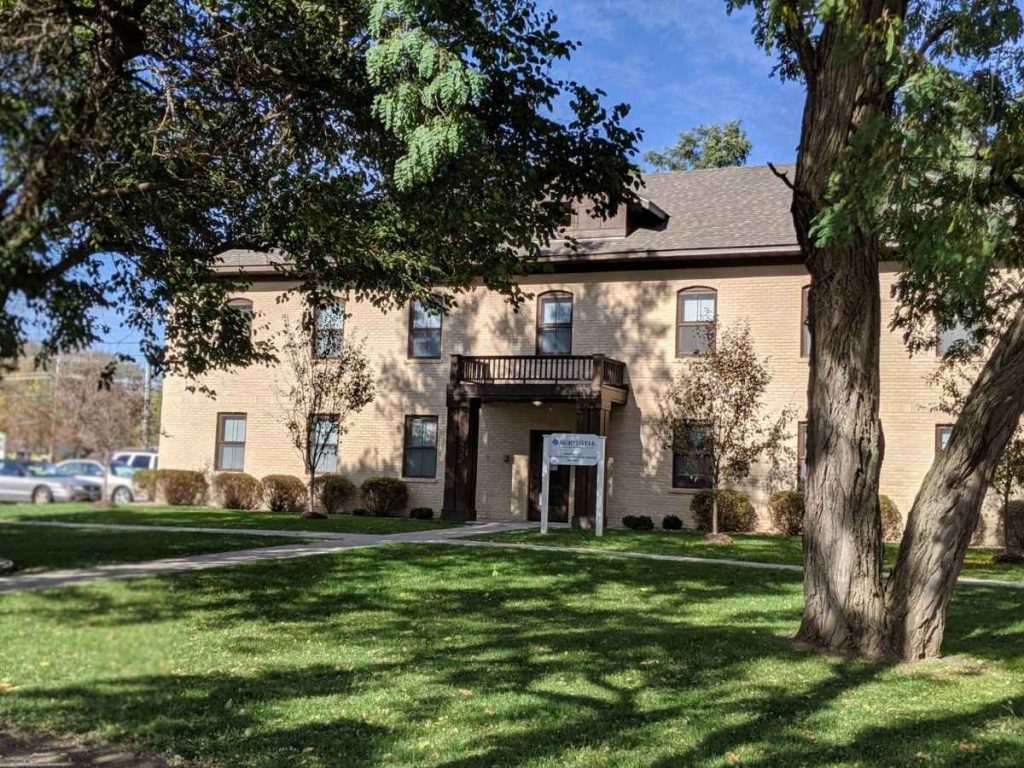
Men's Treatment Center | Chaska
Intensive outpatient therapy with a place to stay, so you can start recovery before you have housing lined up.
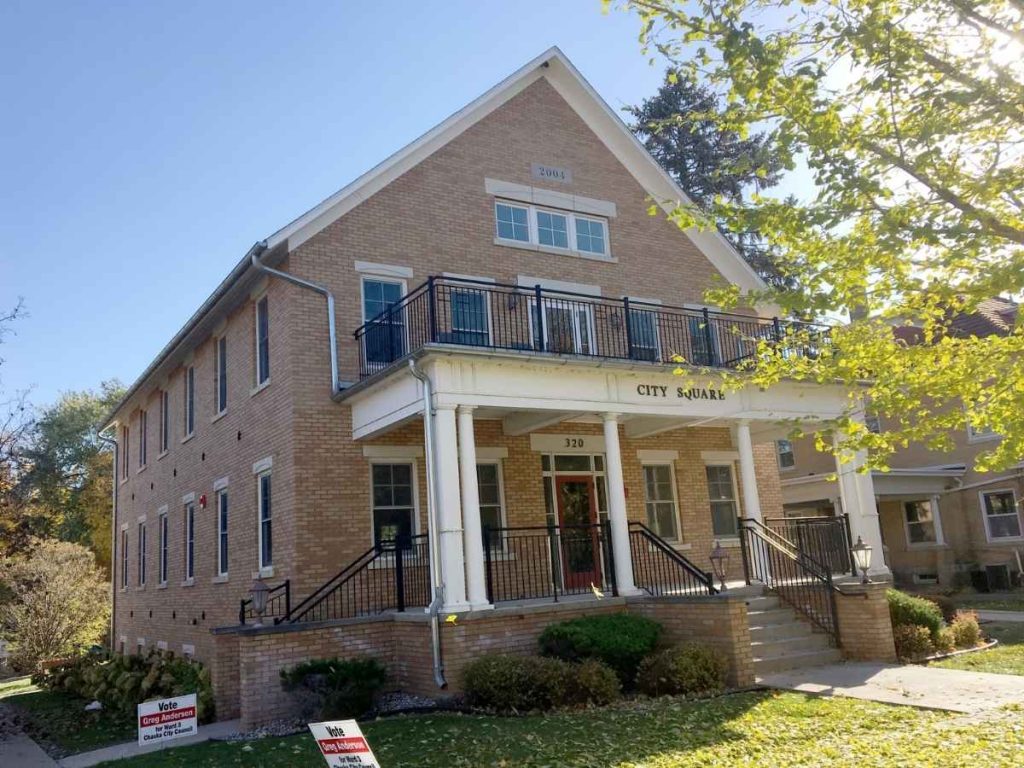
Women's Treatment Center | Chaska
A fully separate women’s campus in downtown Chaska. The Klein Mansion lets women move from residential into IOP with lodging.
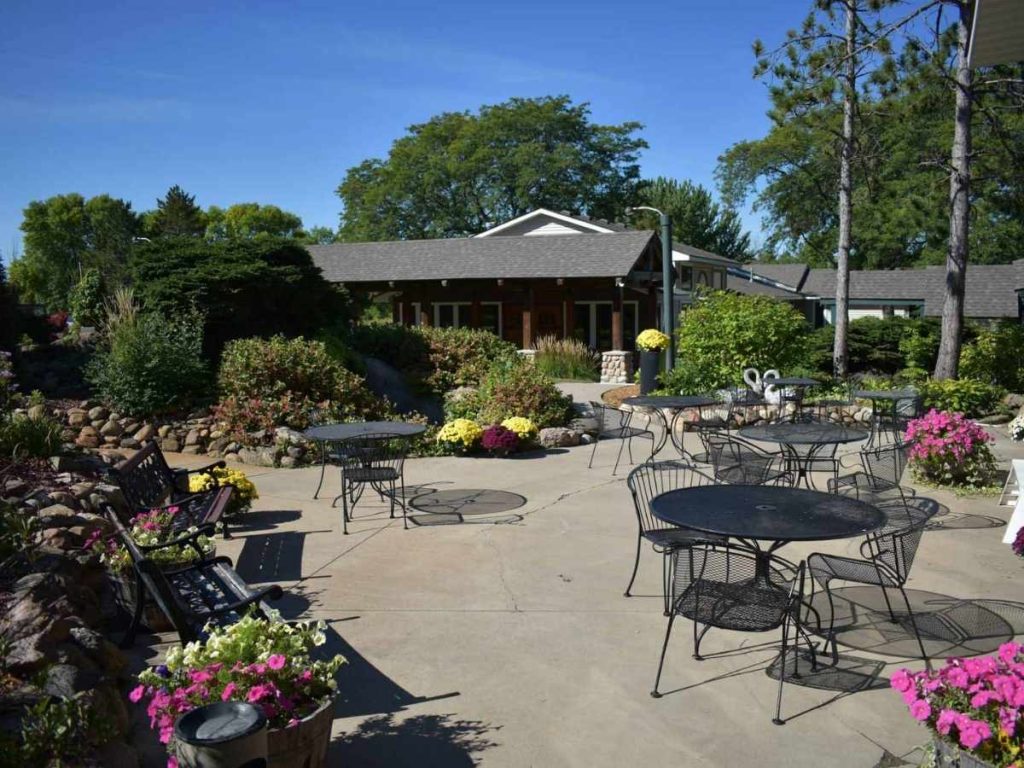
Men's Treatment Center | Otsego
32 wooded acres on the river, with outdoor groups and a gym, serving the northwest metro.
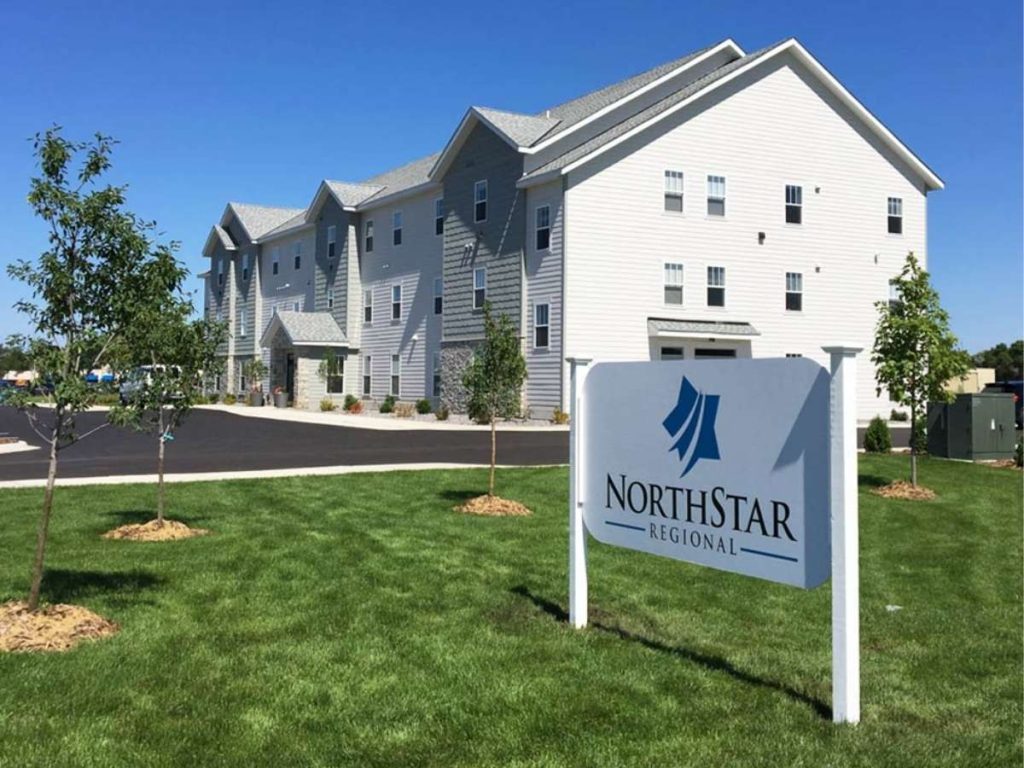
Men's Treatment Center | Shakopee
A home on a residential street, not a hospital wing, minutes from our outpatient center.
Outpatient Mental Health Clinic | Shakopee
Counseling, assessments, and mental health care on its own. In person or by telehealth. No established diagnosis is needed to contact us.
Where treatment happens
The Programs That Treat Depression
Programs run from an hour a week to a full center campus. Your assessment matches you to the right one, based on how severe things are, across every level of care.

When substances co-occur
Medical Detox
When drinking has been the antidepressant, safe medical withdrawal comes first. That means 24-hour nursing at our withdrawal management center in Eden Prairie.
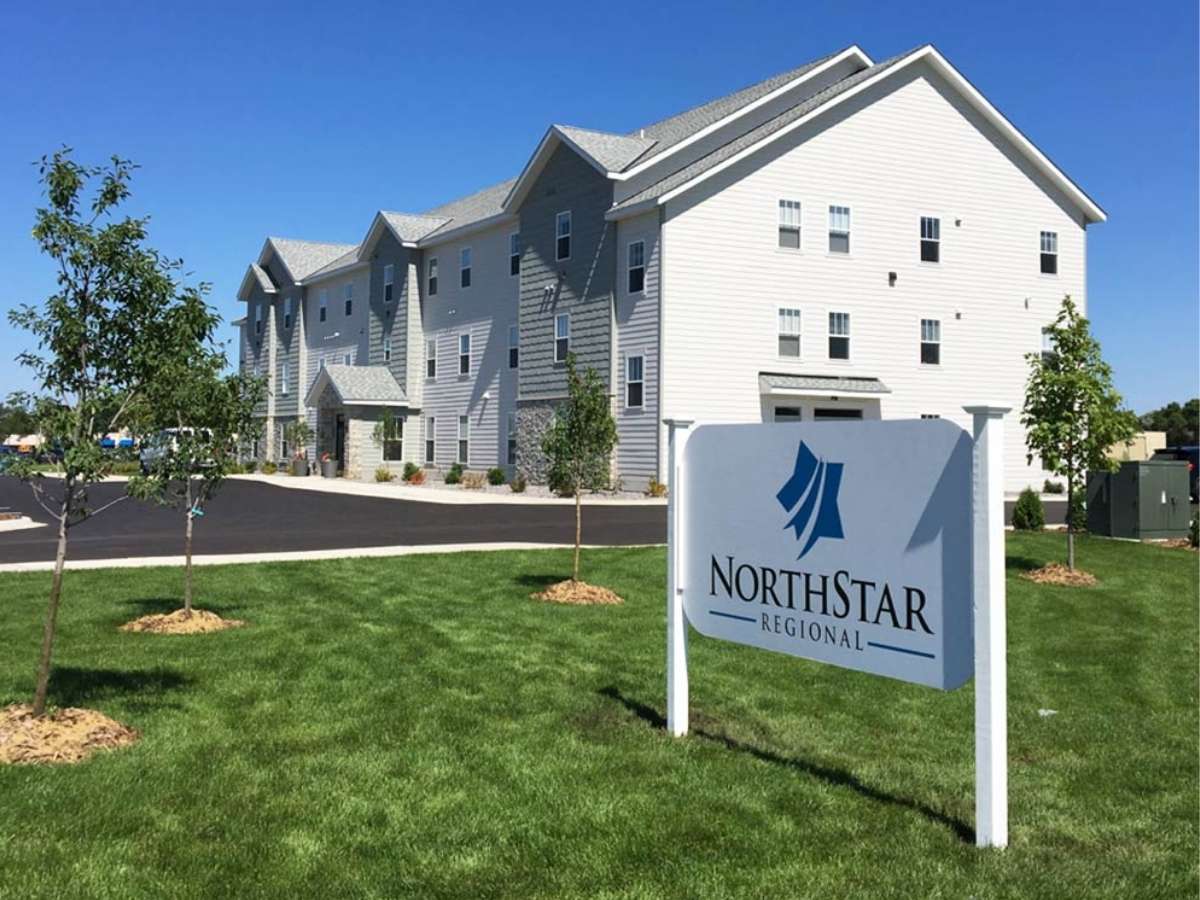
About 35 to 50 days
Inpatient Rehabilitation
Structure for when depression is tangled with substance use. Our flagship residential treatment program.
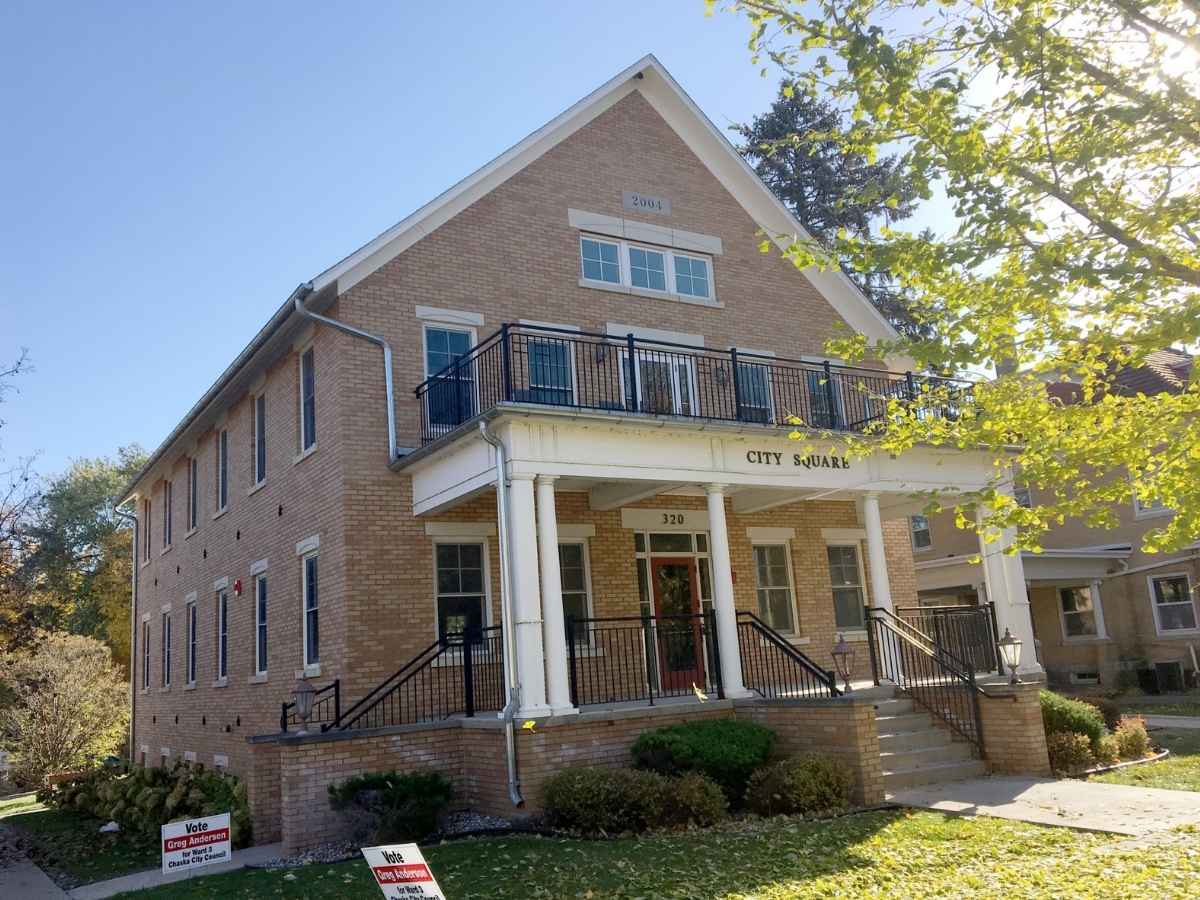
85 to 105 connected days
Low-Intensity Residential Treatment
Residential living with recovery at its core, when drinking or drug use is part of the picture. Depression keeps easing, and you learn to live on your own again.

With or without lodging
Intensive Outpatient
A structured intensive outpatient program that fits around work and home. In person or by secure video across the state. Support between sessions.

6 to 8 months or longer
Relapse Prevention
Weekly work that watches the early warnings of both the depression and the substance use.
Ongoing
Outpatient Mental Health
Ongoing depression treatment at our outpatient clinic in Shakopee or by telehealth, one of our outpatient programs that fits around work.
Who's behind the work
About NorthStar Regional
NorthStar Regional is Minnesota’s treatment system built around access: alcohol and drug treatment centers and mental health care across multiple Twin Cities metro locations. Founded in 2015, we provide one connected continuum: detox (withdrawal management), residential, outpatient, mental health, and a sober housing pathway. Separate men’s and women’s campuses, co-occurring care at designated programs, and no faith requirement set us apart. We accept Medical Assistance (Medicaid) and most major insurers, and if you are uninsured, our admissions team helps you through enrollment. A person can walk in with nothing and leave with everything they need to build a life.
Paying for Care
Insurance and Payment Options
Our team helps review your benefits and handles the paperwork with you. If you have no insurance, we help walk you through enrolling for benefits. County case managers, probation officers, hospitals, and crisis teams send clients to us because, in their words, we just get it done.

Insurance and State Funding
Commercial plans, Medical Assistance (Medicaid), county placements, and private pay. We verify benefits and handle the paperwork with you.
We Are Here to Help
We help review your benefits, find your right starting point, and schedule you for the same day or the next whenever possible. Then we pick you up anywhere in the Twin Cities metro.


How Admission Works
What Happens From Your First Call to Your First Night
You did the hard part when you picked up the phone. Here is exactly what happens next, so nothing about day one is a mystery.
You Call and a Real Person Answers
A real person answers, usually within seconds, and asks one short question: substance use, or mental health? There is no phone tree, and you don’t have to tell your life story. We ask only what we need and handle the rest.
We Help with the Details
Our team helps review your benefits, and a short screening covers withdrawal risk, medical needs, and mental health, so you land at the right level of care. Then we schedule you, same day or next day whenever possible.
We Pick You Up
You get reminder calls and texts. Before pickup, your admissions coordinator and your driver call you together, so you know the name, the car, and the timing before it’s in your driveway. In the car: water, Gatorade, snacks, and a bagged lunch. Your driver, most often someone in long-term recovery, helps with your bags.
A Real Person Meets You When You Arrive
Your driver walks you inside and hands you off by name to the team member waiting for you. Your intake team completes your application with you. If you’re hungry, there’s a meal waiting. Treatment starts, and you never carried the logistics.
“The client has done the hard work by picking up the phone. We will carry them the rest of the way.”
Sarah Roy, Executive Vice President
Reviews from Google
Why Clients Choose NorthStar Regional
Don’t just take our word for it. Here is what alumni say about their time in treatment.
Keep reading
Related Articles and Resources


Resources
Before You Call
How admissions works, guides for families, and the forms you can complete early. More resources are linked throughout the site, or contact admissions and we’ll send anything by email.
Questions we hear every day
Common Questions About Depression Treatment
Do I need a substance use problem to get treatment at NorthStar Regional?
No. Mental health services stand on their own at our outpatient clinic in Shakopee and by telehealth. At our residential campuses, depression is treated along with substance use as co-occurring care, with both disorders in one plan. If you are dealing with only one of the two, we will still give you a straight answer about the best fit, here or elsewhere. Our treatment programs serve adults 18 and older, so for children and teens, county children’s mental health services are the right first call.
What does a day of depression treatment look like?
Most days follow a simple routine. You’ll have scheduled individual or group therapy sessions, either in person at our Shakopee clinic or by telehealth. Between sessions, you’ll work on daily habits that depression often disrupts, like waking up at the same time, eating regular meals, getting outside, moving your body, and getting real rest at night. Depression often feels worse on days without structure, so rebuilding that structure is part of the therapy.
Which therapy works best for depression?
CBT has the deepest research behind it, and it anchors our depression treatment. DBT-informed skills help where feelings swing hard, anxiety included. EMDR helps where trauma feeds it, and family therapy helps the household. Whole-person work covers sleep, food, and movement. Medication management is a medical talk where it fits, never a default. Still, for many adults, therapy plus medication works better than either alone.
What makes a good depression treatment center?
A good depression treatment center is licensed, and you can find out who is on its clinical team. Its staff understand co-occurring disorders and are clear about your treatment options, including whether residential care is the right level for you. It plans for the support you’ll need after discharge and tells you what treatment will cost before you arrive. You can ask any treatment center about each of these, and we’re glad to answer those questions for you.
I function fine at work. Can I still be depressed?
Yes. High-functioning depression is common and exhausting, and keeping up the performance usually costs more each month. Struggling in private while performing in public is a pattern we treat every week. Looking fine on paper isn’t the same as being well.
How long does it take to recover from depression and anxiety?
It varies. Many people feel real relief within weeks of starting treatment as their symptoms ease. When anxiety or depression has been building for years, it usually takes months to fully improve. Long-term recovery comes from staying connected to support groups and therapy after the most intensive part of treatment. Many adults fully recover. The most common outcome we see is partial recovery that keeps improving over time.
What ongoing support comes after depression treatment?
Stepping down slowly is the plan, because depression treatment that ends at discharge often does not last. If substance use is also involved, you move from residential treatment to outpatient programs. Then you go to weekly therapy, alumni contact, and community support groups as life resumes. Support groups, involved family, coping skills kept in practice, and a team that already knows your story make a relapse less likely. If one happens, it tends to be shorter.
What if I'm having thoughts of suicide?
Treat it as urgent today: call or text 988, the Suicide and Crisis Lifeline, any hour. Then call us, because depression this severe is treatable and the plan can start the same day. Help works.
Does insurance cover depression treatment?
Coverage depends on your plan, the service, eligibility, and authorization requirements. Our team helps review your benefits and available payment options. Benefits verification is not a guarantee of payment.
Admissions
Make the First Call and We'll Take It from There
Confidential, no obligation, and answered by someone who knows what you’re facing and cares to listen.