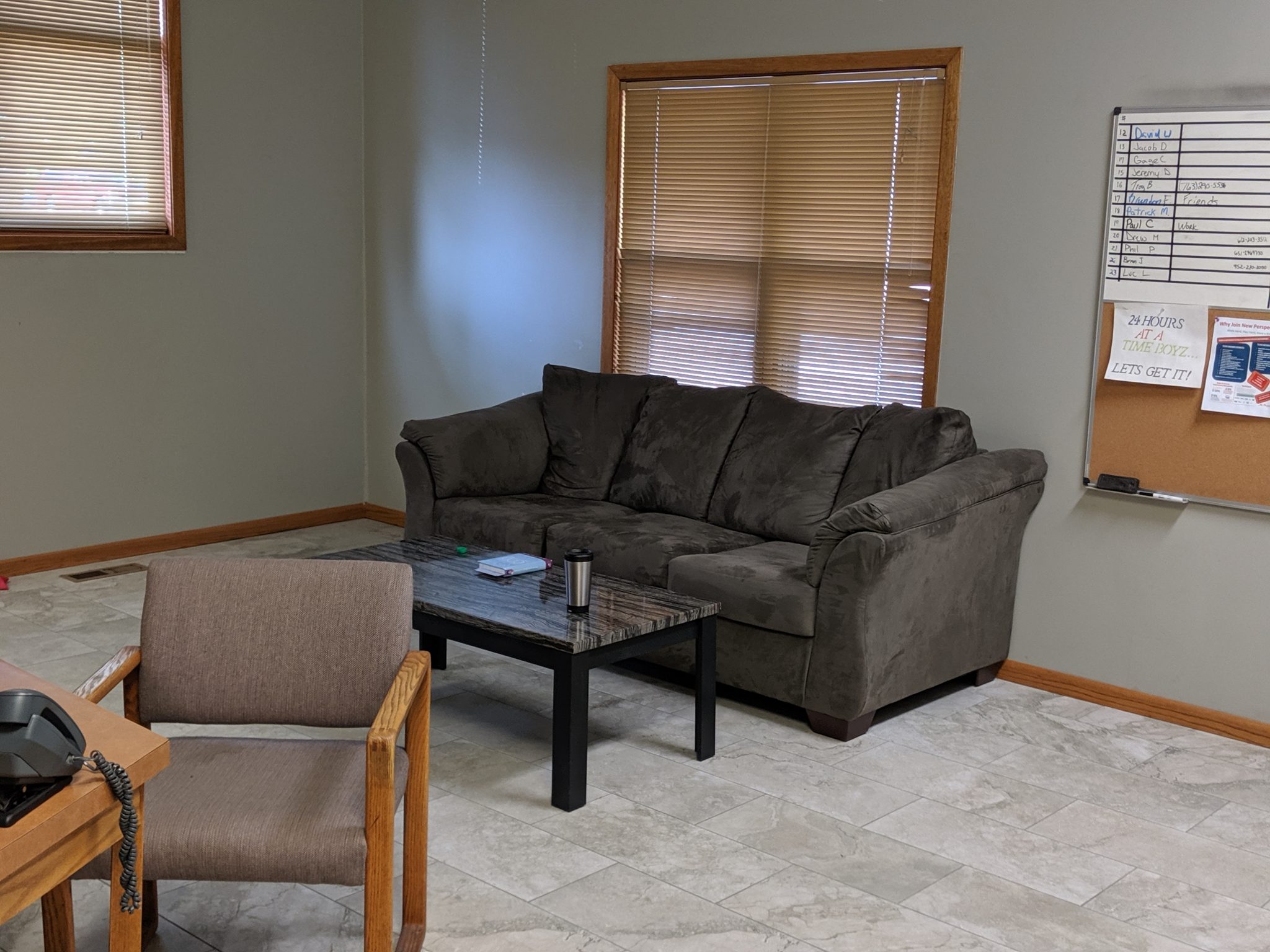
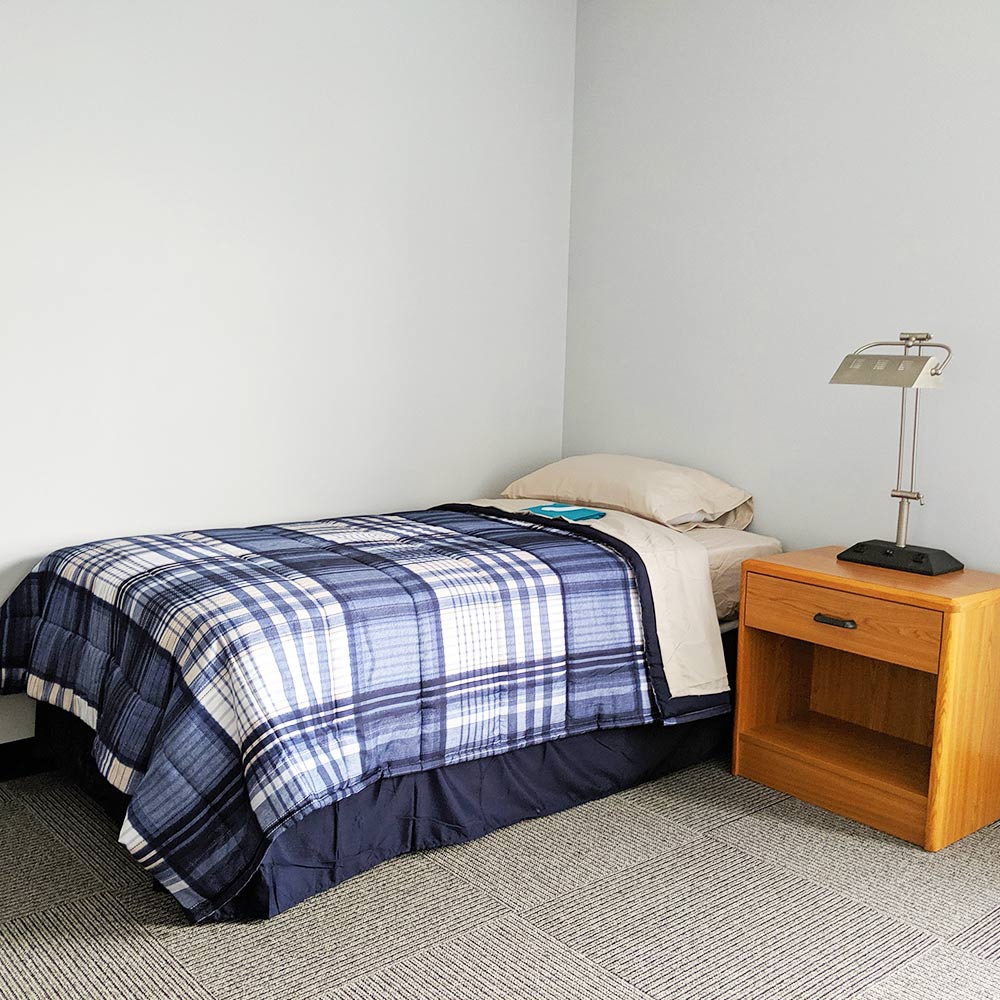
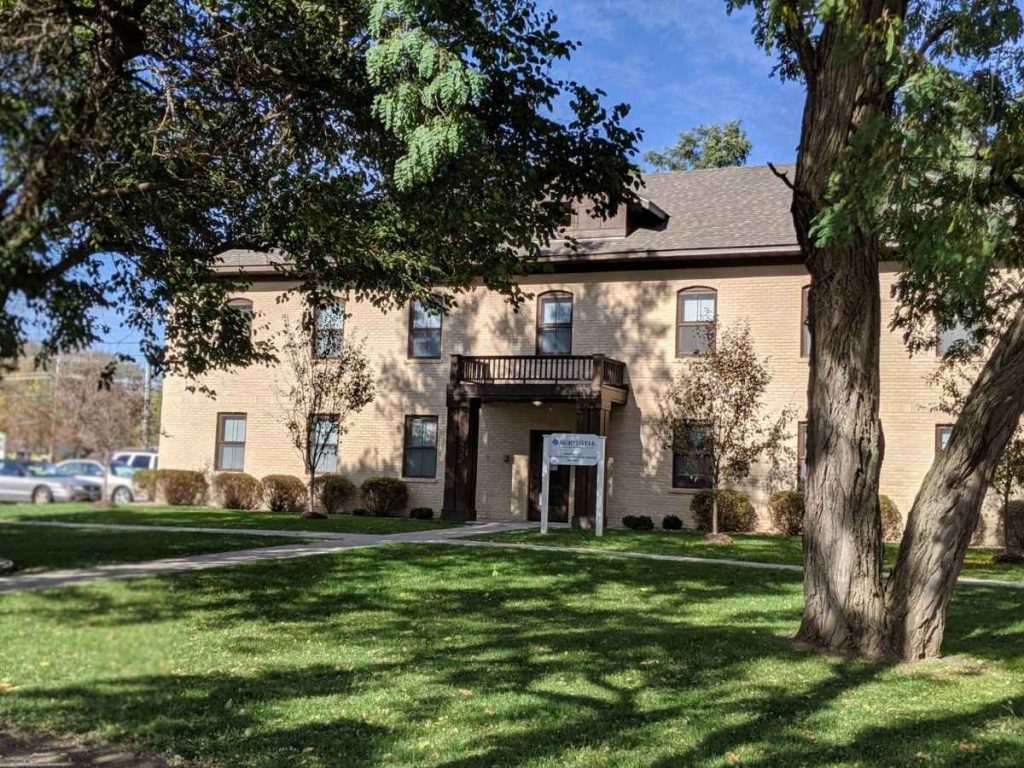
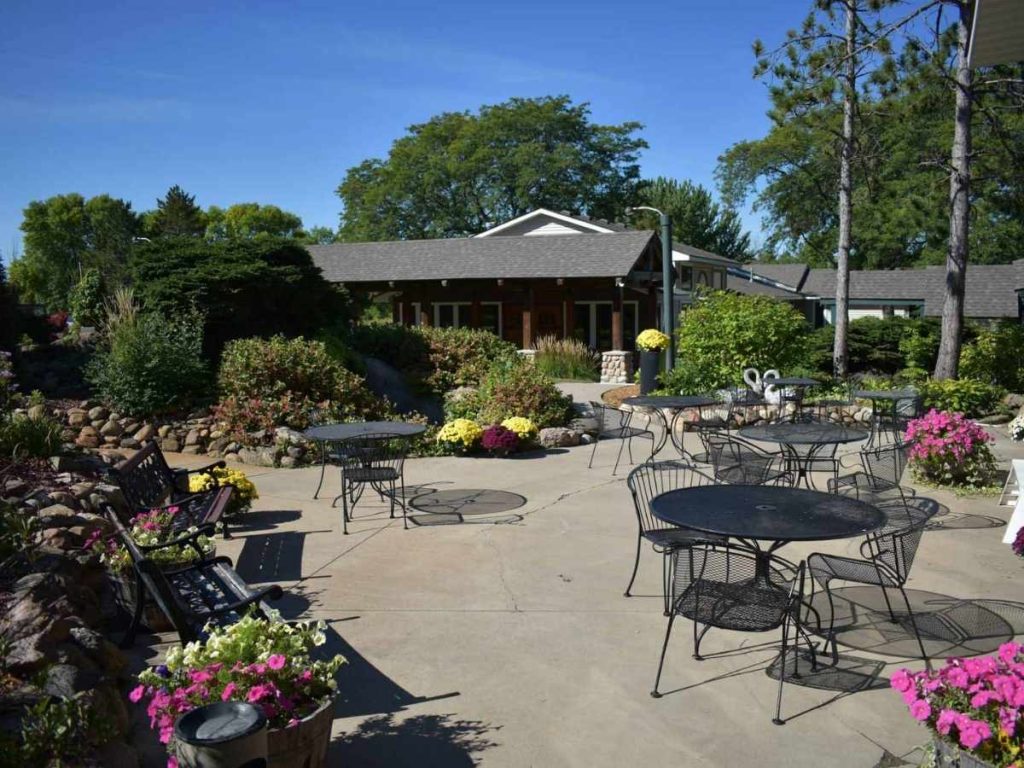
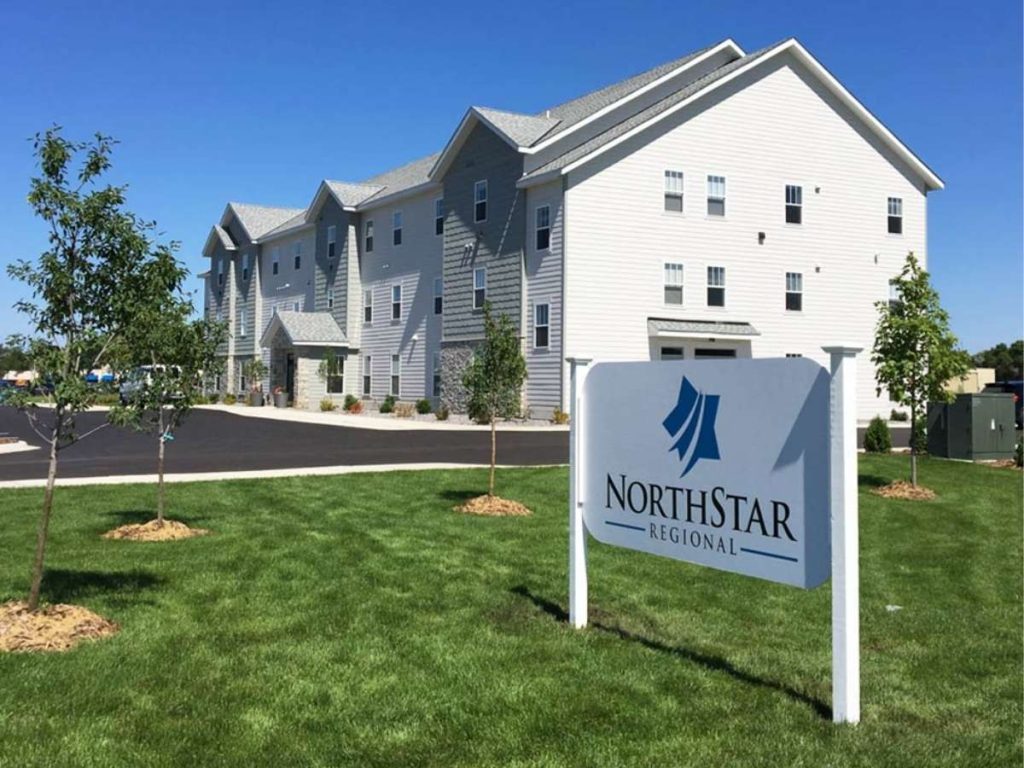
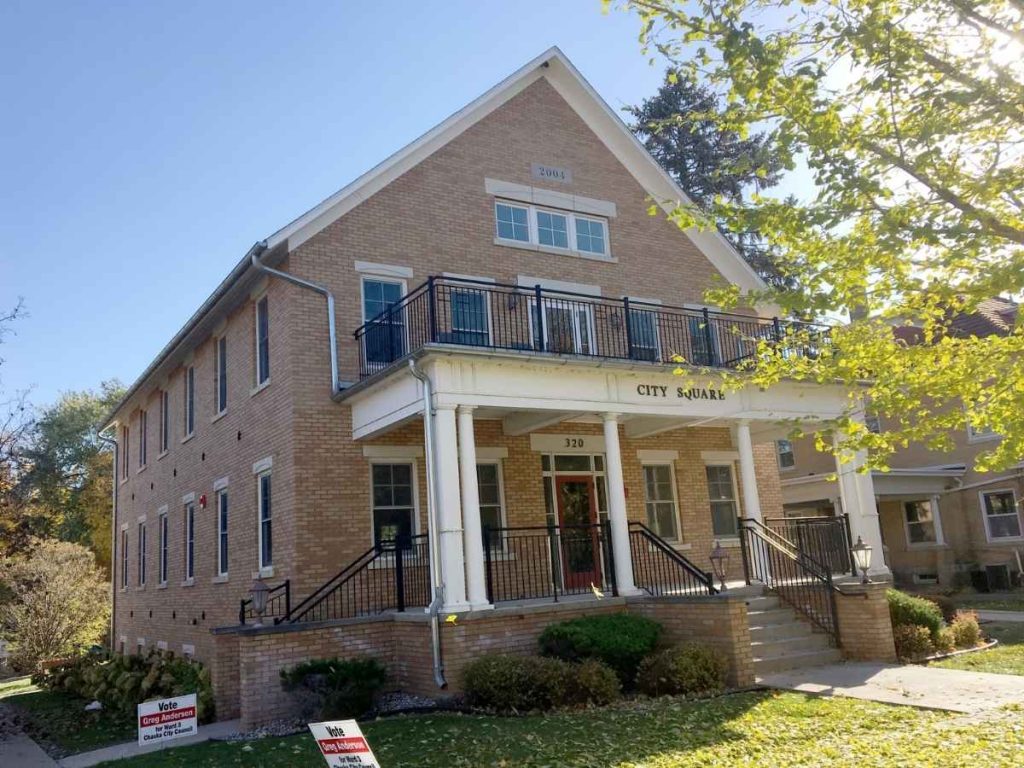
NorthStar Regional’s IOP with lodging in Minnesota pairs intensive outpatient treatment with a structured place to live on campus. Treatment can start before housing is sorted out, for adults stepping down from residential care or arriving by referral. Men lodge at our men’s campuses, and women at the Klein Mansion, next door to our women’s campus in Chaska. About 30 hours of weekly programming treat substance use and mental health together, with time left for work. We accept Medical Assistance (Medicaid) and most major insurers, so your focus stays on recovery, not logistics.
You get intensive outpatient (IOP) therapy along with a place to stay, so you can start recovery before you have your own housing lined up.
Licensed Treatment Programs
Founded 2015
Addiction and mental health care in one system
Multiple Campuses
Across the Twin Cities metro
MN Department of Health: Licensed
MN Department of Human Services: Licensed
For the gap between rehab and home
Why a Lodging Program Beats Housing Alone
Many people stepping down from residential care have nowhere safe to live. Plenty of them are clinically ready for outpatient care but not ready to go home. Home is gone, unsafe, or exactly where the using happened. Outpatient treatment with lodging exists for that situation. NorthStar Regional runs a program built for it.
The difference from a sober house is the focus: here, treatment is the center of the week. Group programming fills much of it, along with a weekly individual session with your primary counselor. Care for co-occurring disorders, a mental health condition and a substance use problem at the same time, is part of it too. Meanwhile, the lodging keeps the setting recovery-first. You are not just renting a room near a treatment program. Instead, you are living in a supportive setting built for exactly this stage.
One Full Continuum
Where IOP with Lodging Fits in the Full Continuum
IOP with lodging sits at stage four: after residential care, before relapse prevention. It is part of the same system, so stepping down keeps your team, your records, and your progress. That holds whether you arrive by referral or from one of our own campuses.
About 3 to 7 days
Medical Detox
Safe drug and alcohol withdrawal with 24-hour nursing at the withdrawal management center in Eden Prairie, for alcohol, opioids, and benzodiazepines.
What a Week in the Intensive Outpatient Program Looks Like
Your treatment sessions are the fixed part of each week. The rest of your time slowly becomes your own again
Clinical blocks
The Core Of Every Week
Group sessions, education sessions, and skills work in set blocks. Each week you also meet one on one with your primary counselor and the mental health team. Medication management through our medical partner, where it helps.
Work and rebuilding
A Planned Return To Everyday Life
Job searching, work shifts, school, appointments, volunteering, family time. The schedule is designed so you return to normal life bit by bit, in a planned way.
Lodging life
Peer Support After Hours
Meals with peers, house norms that keep the setting recovery-first, and the chance to attend regular support meetings of your choosing, none required. Many clients also connect with a sponsor during this stage.
Length depends on your progress, not a calendar. Group programming usually runs five days a week at first, and hours go down in stages, sometimes called phases (Phase II and beyond). Those steps are based on staff recommendation and your ASAM severity rating, including Dimension VI, your recovery environment. While enrolled, you and your counselor also create a continuing care plan. Finishing then leads to the next stage, not an ending.
Addiction and dual diagnosis
Addressing Substance Use and Mental Health Together
This is co-occurring IOP by design. We treat each client as a whole person. Depression, anxiety, trauma, and bipolar disorder are treated in the same week as substance use, by the same team. A dual diagnosis that is only half treated at the step-down stage is how people end up starting over.
For Addiction
Every substance we treat is explained on its own page, from the first assessment through sober living.
At designated NorthStar Regional programs, these conditions are treated together with addiction as co-occurring care, in one plan. Standalone mental health treatment, no substance use diagnosis needed, is available through our outpatient clinic in Shakopee.
The full clinical toolkit continues at IOP intensity. Treatment options are set at the comprehensive assessment, the full evaluation that shapes your plan. They are rebuilt as you go.
Counseling and Mental Health Services
Daily primary groups and mental health groups. One-on-one sessions with your counselor.
Recovery is about the freedom to function. That means a job you can hold, a family that trusts you again, and an ordinary weekday that doesn’t need managing. IOP with lodging is the first stage where recovery and daily life happen at the same time.
You keep up work and treatment together, and you have a stable place to live. For families, it is the stage where visits stop being formal, supervised events. They become ordinary Sundays together. That is what people build here: not just sobriety, but a stable daily life.
Healing involves the whole family. Parents, spouses, and kids have been worried and waiting too, so family work is built into the program, not an add-on. Our resources for families are available before your loved one ever says yes.
If you’re asking whether you have a problem, you probably already suspect the answer. Maybe you’ve hidden it, counted how much, promised to stop on Monday, or woken up trying to piece together last night. Maybe you’ve quit before and it didn’t last. You don’t need to lose everything before you deserve help, and you don’t need to be certain to start. Being willing for even a minute is enough to make one phone call.
Being ready doesn’t mean you’re not afraid, and it doesn’t mean you’ve stopped doubting. It means you make the decision and let us handle the logistics. You only need one moment of willingness. We handle everything after that.
Reading this for someone you love? You can start the entire process on their behalf: call, and we’ll coach the conversation. Start with our guides for parents and for spouses and partners.
What Happens From Your First Call to Your First Night
You did the hard part when you picked up the phone. Here is exactly what happens next, so nothing about day one is a mystery.
You Call and a Real Person Answers
A real person answers, usually within seconds, and asks one short question: substance use, or mental health? There is no phone tree, and you don’t have to tell your life story. We ask only what we need and handle the rest.
We Help with the Details
Our team helps review your benefits, and a short screening covers withdrawal risk, medical needs, and mental health, so you land at the right level of care. Then we schedule you, same day or next day whenever possible.
We Pick You Up
You get reminder calls and texts. Before pickup, your admissions coordinator and your driver call you together, so you know the name, the car, and the timing before it’s in your driveway. In the car: water, Gatorade, snacks, and a bagged lunch. Your driver, most often someone in long-term recovery, helps with your bags.
A Real Person Meets You When You Arrive
Your driver walks you inside and hands you off by name to the team member waiting for you. Your intake team completes your application with you. If you’re hungry, there’s a meal waiting. Treatment starts, and you never carried the logistics.
“The client has done the hard work by picking up the phone. We will carry them the rest of the way.”
Our team helps review your benefits and handles the paperwork with you. If you have no insurance, we help walk you through enrolling for benefits. County case managers, probation officers, hospitals, and crisis teams send clients to us because, in their words, we just get it done.
Insurance and State Funding
Commercial plans, Medical Assistance (Medicaid), county placements, and private pay. We verify benefits and handle the paperwork with you.
We help review your benefits, find your right starting point, and schedule you for the same day or the next whenever possible. Then we pick you up anywhere in the Twin Cities metro.
Don’t just take our word for it. Here is what alumni say about their time in treatment.
Who's behind the work
About NorthStar Regional
NorthStar Regional is Minnesota’s treatment system built around access: alcohol and drug treatment centers and mental health care across multiple Twin Cities metro locations. Founded in 2015, we provide one connected continuum: detox (withdrawal management), residential, outpatient, mental health, and a sober housing pathway. Separate men’s and women’s campuses, co-occurring care at designated programs, and no faith requirement set us apart. We accept Medical Assistance (Medicaid) and most major insurers, and if you are uninsured, our admissions team helps you through enrollment. A person can walk in with nothing and leave with everything they need to build a life.
How admissions works, guides for families, and the forms you can complete early. More resources are linked throughout the site, or contact admissions and we’ll send anything by email.
IOP with lodging is intensive outpatient therapy with a place to stay. You attend many hours of clinical programming each week and live in campus housing, so you can start recovery before your own housing is sorted out. It’s for people ready to step down from residential care whose home isn’t ready for them yet, or who don’t have a home to go back to.
Where does IOP with lodging run in MN?
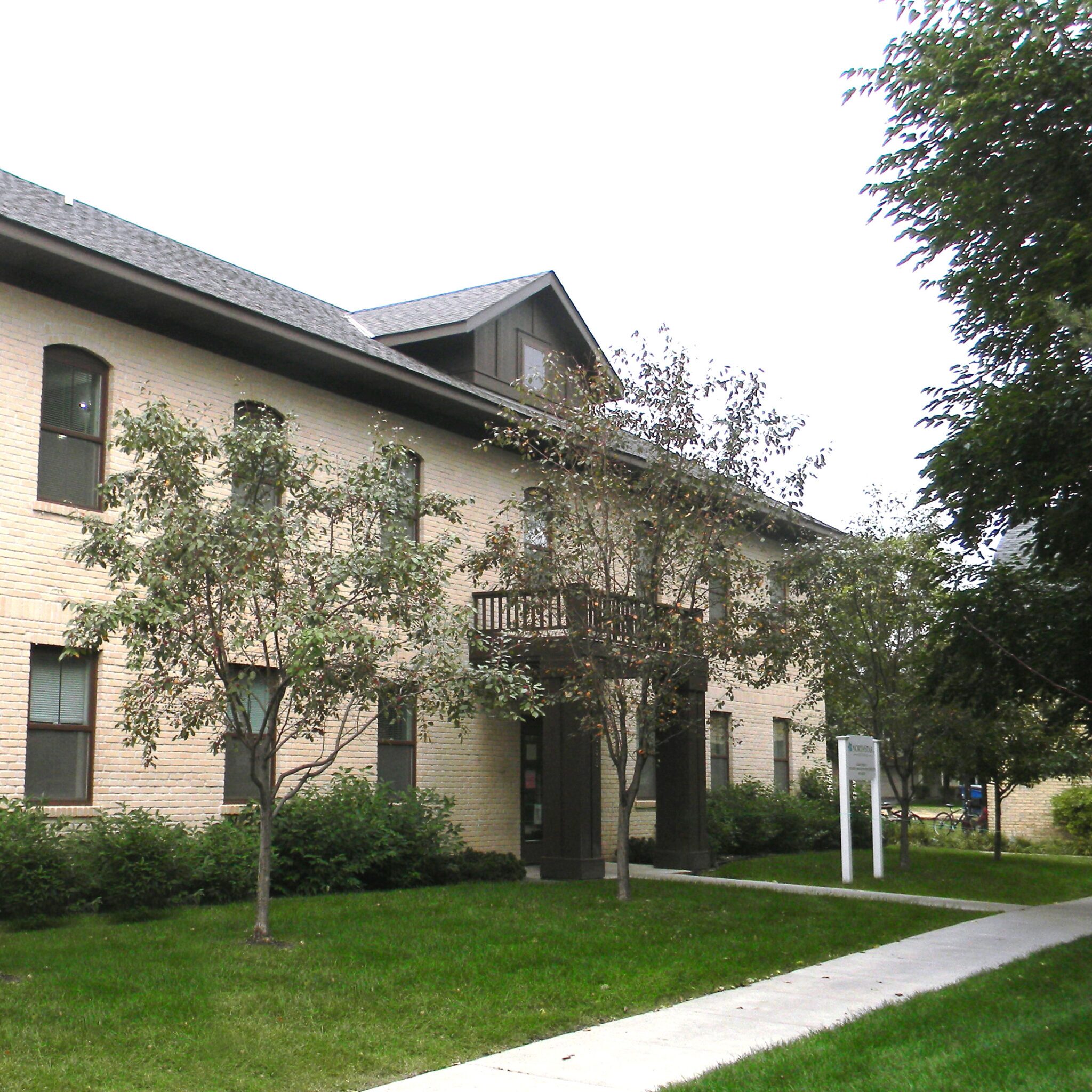
Three NorthStar Regional campuses. Men are at our men’s treatment centers in Eden Prairie and Chaska. Women are at the Klein Mansion, next door to our women’s treatment center in Chaska, so the step-down is a walk across the lawn.
How is this outpatient treatment different from sober living?
Sober living gives you a place to live with recovery rules, but it isn’t a treatment program. IOP with lodging is a treatment program that also provides housing. Your week centers on clinical programming, and you live on campus while you take part.
How long does it last?
Length is shaped to you. Intensity usually steps down in stages based on staff recommendation and clinical progress. That goes on until outpatient without lodging or the sober living pathway makes sense. Your plan is reviewed as you go with your counselor rather than running on a fixed calendar.
Is mental health part of the program?
Yes. It’s co-occurring IOP: substance use and mental health treated together. You get weekly individual sessions and mental health groups, and designated programs include a mental health professional.
Can I work during IOP with lodging?
Yes, more as you progress. The schedule is built so work, job searching, and rebuilding fit around the clinical blocks, because that rebuilding is part of the treatment.
Will insurance cover it?
Coverage depends on your plan, the service, eligibility, and authorization requirements. Our team helps review your benefits and available payment options. Benefits verification is not a guarantee of payment.
Admissions
Make the First Call and We'll Take It from There
Confidential, no obligation, and answered by someone who knows what you’re facing and cares to listen.
We help review your benefits, find your right starting point, and schedule you for the same day or the next whenever possible. Then we pick you up anywhere in the Twin Cities metro.