

Adult ADHD Evaluation
NorthStar Regional offers adult ADHD evaluation in Minnesota to answer a real question rather than confirm a hunch. Trouble focusing can come from anxiety, depression, trauma, or substance use, so the evaluation looks at the whole picture before naming anything. A clinician completes a structured interview and standard rating scales, explains the findings in plain language, and coordinates any formal testing or medication questions through our medical partner. Sessions happen at our Shakopee clinic, with parts of the process available by secure video across Minnesota. We accept Medical Assistance (Medicaid) and most major insurers.
The evaluation at a glance
Evaluation first
We built our ADHD evaluation to answer questions, not to sell a prescription.
Outpatient Mental Health Clinic | Shakopee
Evaluation sessions with our clinicians at our outpatient clinic in Shakopee.
Telehealth where appropriate
The interview and feedback parts may be done by secure video across Minnesota. That runs alongside our statewide telehealth therapy (video or phone sessions).
The continuum behind it
No matter what the results show, help is one warm handoff away. That means therapy, mental health treatment, support, and recovery programs.
Licensed Treatment Programs

Founded 2015
Addiction and mental health care in one system

Multiple Campuses
Across the Twin Cities metro

MN Department of Health: Licensed
MN Department of Human Services: Licensed
The question underneath
What Is Attention-Deficit/Hyperactivity Disorder (ADHD) and Why Test for It?
Attention-deficit/hyperactivity disorder (ADHD) is a difference in how the brain works. The systems that manage attention, impulses, and emotions run differently. As a result, executive functioning, how the brain plans and sets priorities, suffers. Some adults grew up hearing it called attention deficit disorder, or ADD. Today it is one condition with three types, and one is the mostly inattentive type. It is often missed for decades in people who seem “smart but scattered,” women most of all.
Here is why testing matters. Most adults who suspect they have ADHD have never been properly diagnosed. The symptoms also overlap heavily with anxiety, depression, mood disorders, trauma, sleep problems, learning disabilities, and substance use. Trouble focusing can have a dozen root causes, and guessing wrong means treating the wrong thing for years. A real ADHD evaluation exists to find the real causes, not to confirm a hunch. That is exactly how we run ours.
Is this right for you?
ADHD Symptoms in Adults: Signs an Evaluation Is Worth Your Time
Everyone loses their keys. ADHD symptoms are different: a lifelong pattern that keeps costing you more.
The Effort Is Invisible and Enormous
You produce a normal life, but it costs you three times what it seems to cost everyone else. That gap is worth explaining.
Careless Mistakes You Care Deeply About
The report was brilliant except for the detail you never saw you missed. Careless mistakes despite real effort are a symptom, not a character flaw.
Constant Trouble Organizing Tasks
Trouble organizing tasks, time management that fails at the same point every time, and deadlines that seem to come out of nowhere. This has been the pattern since school, not since last month.
The Focus Paradox
Four hours locked on the wrong thing, unable to start the right one, difficulty finishing what matters most. Focus isn’t absent in ADHD; it’s unruly.
Restlessness That Never Left
Hyperactivity in adults rarely looks like bouncing off the walls. It looks like a leg that will not stop moving. It looks like a mind that keeps jumping from one thought to the next, and a constant feeling of being restless and on edge.
Something Else Was Treated, and It Half-Worked
Years of therapy or medicine for anxiety or depression that helped. But the disorganization never budged. That leftover piece deserves testing.
If even a few of these sound like you, that is reason enough to call. A comprehensive assessment answers more than one question at a time. An evaluation is not a commitment to a label. It is a commitment to accurate facts about how your mind works.
What to expect
What Our Comprehensive ADHD Evaluation Includes
Here’s how the evaluation works.
The Initial Interview
A structured clinical interview covers your current life, your school years, your medical history, and when symptoms started. The timeline matters because an accurate ADHD diagnosis needs proof that the pattern began early. It must also show up in more than one setting. Input from partners or parents helps when it is available. Clinical interviews like this one tell us more than any single test.
Comprehensive Testing Measures
Standard questionnaires and proven rating scales, compared against adults your age. They cover attention, hyperactivity, impulsivity, working memory, planning, and other executive functions. The scales also cover the anxiety, depression, and mood disorders that mimic or come with ADHD. This is a comprehensive evaluation with one goal: to tell what is ADHD and what only looks like it. You get the right answer rather than a fast one.
The Written Report
You leave with a detailed report, not a verdict. It covers what we found, what we ruled out, and your thinking strengths alongside the weak spots. If one is warranted, it gives a formal diagnosis, along with advice built for you about what comes next. Reports like this travel well: to your own providers, and, where it applies, to your workplace for accommodations.
The Feedback Conversation
A clinician walks you through the full picture in plain terms and answers questions until it makes sense. For a lot of adults, this talk is the turning point. It is the moment they learn that the problem was never laziness, and real information replaces that old belief.
Verify Your Insurance
We accept most major commercial plans, Medical Assistance, and state funding. Our team helps review your benefits and what your plan covers.
Admissions
Talk with Someone Now
No script, no pressure. Tell us what’s going on and we’ll tell you what’s available today.

The honest part
Testing First, Then Medication Only If It Fits
We built our ADHD evaluation to answer questions, not to sell a prescription.
If testing does not support ADHD, that is not a failed evaluation but the evaluation working. You will know what the better explanation is. And because testing happens inside a full mental health system, treatment for that answer can start here the same week. That might be anxiety therapy, depression treatment, trauma work, or substance use care.
How It Helps
ADHD and Co-Occurring Conditions
Adults with untreated ADHD have higher rates of anxiety, depression, and substance use than people in general. Often that is because years of struggle with no answer lead people to self-medicate. Because this service is part of a full treatment system, testing can lead straight into care for ADHD and related conditions. No referral letter, no waiting list.
For Mental Health
Therapy and outpatient mental health care for ADHD, anxiety, depression, trauma, and more. It is at the same outpatient clinic in Shakopee where the evaluation is done.
For Addiction
When stimulants, alcohol, or anything else became the way to cope, every substance we treat is covered in depth. A full range of care, from detox to aftercare, stands behind it.
Where You'll Find It at NorthStar Regional
Where ADHD Evaluation Happens
One clinic, and a system around it.
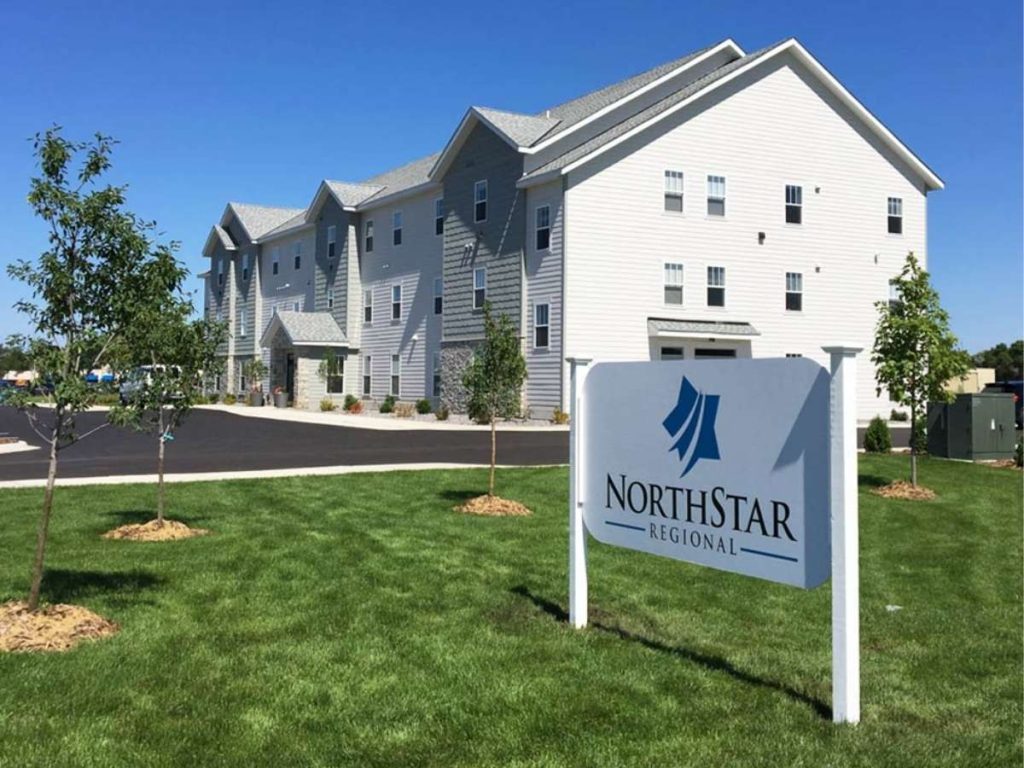
The clinic
Outpatient Mental Health Clinic | Shakopee
Evaluation sessions with our clinicians at our outpatient clinic in Shakopee.
From home
Telehealth Where Appropriate
The interview and feedback parts may be done by secure video across Minnesota. That runs alongside our statewide telehealth therapy (video or phone sessions).
Inside the system
The Continuum Behind It
No matter what the results show, help is one warm handoff away. That means therapy, mental health treatment, support, and recovery programs.
Treatment Options
Explore Our Addiction and Mental Health Therapies
Recovery is rarely built on a single method. These are the addiction and mental health therapies and services available across NorthStar Regional, each explained in depth, and your comprehensive assessment determines the combination your treatment plan starts with.
Who's behind the work
About NorthStar Regional
NorthStar Regional is Minnesota’s treatment system built around access: alcohol and drug treatment centers and mental health care across multiple Twin Cities metro locations. Founded in 2015, we provide one connected continuum: detox (withdrawal management), residential, outpatient, mental health, and a sober housing pathway. Separate men’s and women’s campuses, co-occurring care at designated programs, and no faith requirement set us apart. We accept Medical Assistance (Medicaid) and most major insurers, and if you are uninsured, our admissions team helps you through enrollment. A person can walk in with nothing and leave with everything they need to build a life.
Paying for Care
Insurance and Payment Options
Our team helps review your benefits and handles the paperwork with you. If you have no insurance, we help walk you through enrolling for benefits. County case managers, probation officers, hospitals, and crisis teams send clients to us because, in their words, we just get it done.

Insurance and State Funding
Commercial plans, Medical Assistance (Medicaid), county placements, and private pay. We verify benefits and handle the paperwork with you.
We Are Here to Help
We help review your benefits, find your right starting point, and schedule you for the same day or the next whenever possible. Then we pick you up anywhere in the Twin Cities metro.


How Admission Works
What Happens From Your First Call to Your First Night
You did the hard part when you picked up the phone. Here is exactly what happens next, so nothing about day one is a mystery.
You Call and a Real Person Answers
A real person answers, usually within seconds, and asks one short question: substance use, or mental health? There is no phone tree, and you don’t have to tell your life story. We ask only what we need and handle the rest.
We Help with the Details
Our team helps review your benefits, and a short screening covers withdrawal risk, medical needs, and mental health, so you land at the right level of care. Then we schedule you, same day or next day whenever possible.
We Pick You Up
You get reminder calls and texts before pickup. For residential, your admissions coordinator and your driver also call you together, so you know who’s coming, what car to look for, and when to expect them. Many of our drivers are in long-term recovery themselves, and yours will help with your bags.
A Real Person Meets You When You Arrive
Your driver walks you inside and introduces you by name to the team member waiting for you. Your intake team completes your application with you. If you’re hungry, there’s a meal waiting. From there, treatment starts, and we help take care of the logistics along the way.

“The client has done the hard work by picking up the phone. We will carry them the rest of the way.”
Sarah Roy, Executive Vice President
Reviews from Google
Why Clients Choose NorthStar Regional
Don’t just take our word for it. Here is what alumni say about their time in treatment.
Keep reading
Related Articles and Resources


Resources
Before You Call
How admissions works, guides for families, and the forms you can complete early. More resources are linked throughout the site, or contact admissions and we’ll send anything by email.
Questions we hear every day
Common Questions About ADHD Evaluation
How do I get tested for ADHD in Minnesota?
Call us. One phone call books the evaluation, no referral is needed, and our team helps review your benefits. Testing runs at our outpatient clinic in Shakopee. If you would rather start with your primary care provider, that works too, and either road ends in the same structured evaluation.
What does an ADHD evaluation cost?
It depends on your coverage, and we won’t let the cost be a surprise. Medicaid (Medical Assistance) and many major insurers cover an ADHD evaluation when it is medically necessary. Our team helps review your benefits. Private pay rates are quoted up front.
Is this a neuropsychological evaluation?
No. Our ADHD evaluation is a focused psychological evaluation. It includes an interview and standard measures, and it checks for anxiety, depression, mood disorders, and other conditions that can look like ADHD. Some people need a full neuropsychological evaluation or a broader psychological assessment instead. If that’s true for you, we’ll tell you and help you find the right provider.
Do you test children or teens?
No. Our treatment programs serve adults 18 and older. For a child, start with your child’s pediatrician or ask their school for an evaluation. Minnesota school districts run their own assessments for learning disabilities and attention concerns as part of special education services. A school evaluation is free and often helpful. If you call about your child, we’ll point you to child and adolescent specialists.
Is attention deficit disorder (ADD) the same as ADHD?
Mostly, yes. Attention deficit disorder is the older name. Today, the diagnosis is ADHD, which has three types. What people used to call ADD is usually the predominantly inattentive type. If paperwork from years ago says ADD, new testing can update your diagnosis using current criteria.
Can adults really have ADHD if they did fine in school?
Yes. Many adults, especially those with the predominantly inattentive type, got through school on intelligence and last-minute panic. School’s schedules and deadlines gave them structure they didn’t have to create themselves. A child who daydreams quietly is easy to miss. Adult life takes away that structure, and that’s often when symptoms become harder to manage. Our evaluation looks at that history.
Will I be prescribed medication if I'm diagnosed?
Not automatically. We keep testing and treatment separate on purpose. Your report gives you a diagnosis, therapy options, and next steps. If you’re interested in medication, medication management goes through our medical partner, and their providers decide based on their own clinical judgment. We don’t promise prescriptions, because medication should be a medical decision made after a diagnosis.
What does an ADHD diagnosis change after the results?
Whatever you choose. Some clients take the detailed report to their own providers. Others start ADHD-focused therapy here. It targets executive skills, emotional regulation, ways to improve focus and manage symptoms, and the daily activities ADHD disrupts. Or they begin treatment and support for whatever the testing really found. The report is yours either way. It is written to be useful long after the appointment.
Does insurance cover ADHD evaluation?
Often, yes, when the evaluation is medically necessary. We accept Medical Assistance (Medicaid) and most major insurers, and many plans cover ADHD evaluation. Some plans require prior authorization first. Our team can help review your benefits and explain what your plan covers.
Admissions
Make the First Call and We'll Take It from There
Confidential, no obligation, and answered by someone who knows what you’re facing and cares to listen.