NorthStar Regional provides inpatient rehab in Minnesota for adults with drug or alcohol addiction and co-occurring mental health conditions. Our high-intensity residential program runs 35 to 50 days on four campuses across the Twin Cities metro. Men and women heal on fully separate campuses, each with a mental health professional on staff. Clients who need detox (withdrawal management) start in Eden Prairie, then move to a residential campus inside the same system. We accept Medical Assistance (Medicaid) and most major insurers, and the next step is already waiting when you are ready.
You live on campus during treatment, with therapy and groups every day. Most clients move straight here from detox, and designated programs also treat mental health conditions alongside addiction.
Men’s and women’s campuses offer residential treatment
Separate men's & women's programs
Co-occurring care at designated programs
Medicaid accepted
Licensed Treatment Programs
Founded 2015
Addiction and mental health care in one system
Multiple Campuses
Across the Twin Cities metro
MN Department of Health: Licensed
MN Department of Human Services: Licensed
When more support is the right call
Why Does Inpatient Treatment Work When Other Attempts Have Not?
Sometimes outpatient care is enough, but sometimes it keeps falling short. That can happen when home is where the using happens, when withdrawal symptoms need medical support first, or when mental health issues and drug or alcohol use make each other worse. It can also happen when the same environment undoes every attempt to stop.
High-intensity residential treatment takes daily worries about housing, meals, getting around, and safety off your plate. For 35 to 50 days, all of your energy and focus go into recovery. Counselors, mental health staff, and peers are around you each day. Research backs this up: staying in treatment long enough matters more than any one method [1]. Research also supports treating a substance use disorder and mental health together, in one plan that includes psychiatry [2].
Inpatient treatment is one part of your care. Each level after it gives you more freedom. You start by getting stable, then move toward lasting recovery.
“We fit recovery to the person, never the person to the program.”
The NorthStar approach
Levels of Care
Where Inpatient Rehab Fits in the Full Addiction Treatment Continuum
High-intensity residential treatment is one level in our full range of care. Because every level works as one system, finishing rehab never means finding a new provider. Your next step is already set up, and your team stays with you.
About 3 to 7 days
Medical Detox
Safe drug and alcohol withdrawal with 24-hour nursing at the withdrawal management center in Eden Prairie, for alcohol, opioids, and benzodiazepines.
“It’s about the journey. You start at the bottom and by the time you leave here, you’re going to be ready to take care of yourself.”
Jason Vanderscoff, CEO, NorthStar Regional
What we treat here
Inpatient Alcohol and Drug Treatment Under One Roof
We treat alcohol and drug addiction in the same place. The substance you use shapes your plan, including your detox steps, medicines, craving support, and timeline.
Inpatient Alcohol Rehab
Alcohol is the most common reason people come to us. Its withdrawal is also one of the few that needs medical care first. After detox, inpatient alcohol rehab helps you change the routines and relationships that drinking was propping up. You can also get medicine such as naltrexone through our medical partner.
Opioids (including fentanyl), meth, cocaine, and benzodiazepines each need their own kind of care. Some need medication-assisted options, and others need a slow taper off the drug that is clinically managed and medically monitored. Your plan starts with a comprehensive assessment, and we update it as you go.
Substance Use and Mental Health Treatment in One Place
Many people who come to high-intensity residential treatment are dealing with more than substance use. They also bring depression, anxiety, trauma, bipolar disorder, and sometimes anger they never had a safe way to let out. That mix is called a dual diagnosis, a mental health condition and a substance use problem at the same time. Treating only one of them rarely lasts.
At NorthStar Regional, designated programs include co-occurring care. In these programs, the same team treats addiction and mental health together, with a mental health professional on staff. This whole-person treatment works on the causes of addiction as well as the symptoms.
For Addiction
Every substance we treat is explained on its own page, from the first assessment through sober living.
At designated NorthStar Regional campuses, these conditions are treated with addiction in one plan. Mental health treatment on its own is also offered at our outpatient clinic in Shakopee. No established diagnosis is needed to contact us.
Our main therapies are proven by research. Medical, creative, and hands-on support add to that work. Your comprehensive assessment sets your mix of therapies, and we update it as you go.
Cognitive Behavioral Therapy
CBT is a core part of addiction treatment. It helps you notice an unhelpful thought, spot the pattern behind it, and choose a different response. We use it in both group and individual sessions.
For many clients, substance use started as a way to cope with trauma. EMDR helps the brain process traumatic memories that talk therapy alone often does not resolve.
Addiction affects the people closest to you, and your recovery depends on them too. Family sessions rebuild trust and teach each parent, spouse, and child how to help.
These skills give you tools for handling strong emotions and getting through distress. Each morning of programming also starts with a daily meditation.
You get medical care and psychiatry, which is care from a doctor who can prescribe mental health medication. We also offer medication-assisted treatment through our medical partner, along with art and music. Before you leave, you also get life skills and job help, so work is part of your plan.
What Does a Typical Day in Inpatient Rehab Look Like?
We set a daily routine for you while you learn to build your own. Over time, you take on more of that routine yourself.
Morning
Up and Grounded
You get up between 7:00 and 7:30, eat breakfast together, and start programming at 8:00. Each day begins with meditation to help you settle in before the work starts.
Clinical day
The Real Work
Mornings are for the hardest clinical work, since that is when minds are freshest. You start with primary groups and mental health groups. After lunch, you join learning and activity groups and meet one-on-one with counselors and the mental health team.
Evening
Practice and Rest
You have free time for treatment planning, exercise, or homework. After dinner, you can go to a peer-led support meeting of your choice, such as 12-step or SMART Recovery. None of these meetings are required. The day ends with reflection and gratitude, and curfew is at 10:00, with lights out at 11:00.
Our Locations
Our Inpatient Rehab Facility Locations in Minnesota
We have four campuses across the Twin Cities metro, so treatment stays close to the people who love you and the place you’ll return to.
Men’s · Medical detox on site
Withdrawal Management Center | Eden Prairie
This is where many clients start, with medical detox and men’s high-intensity residential treatment under one roof.
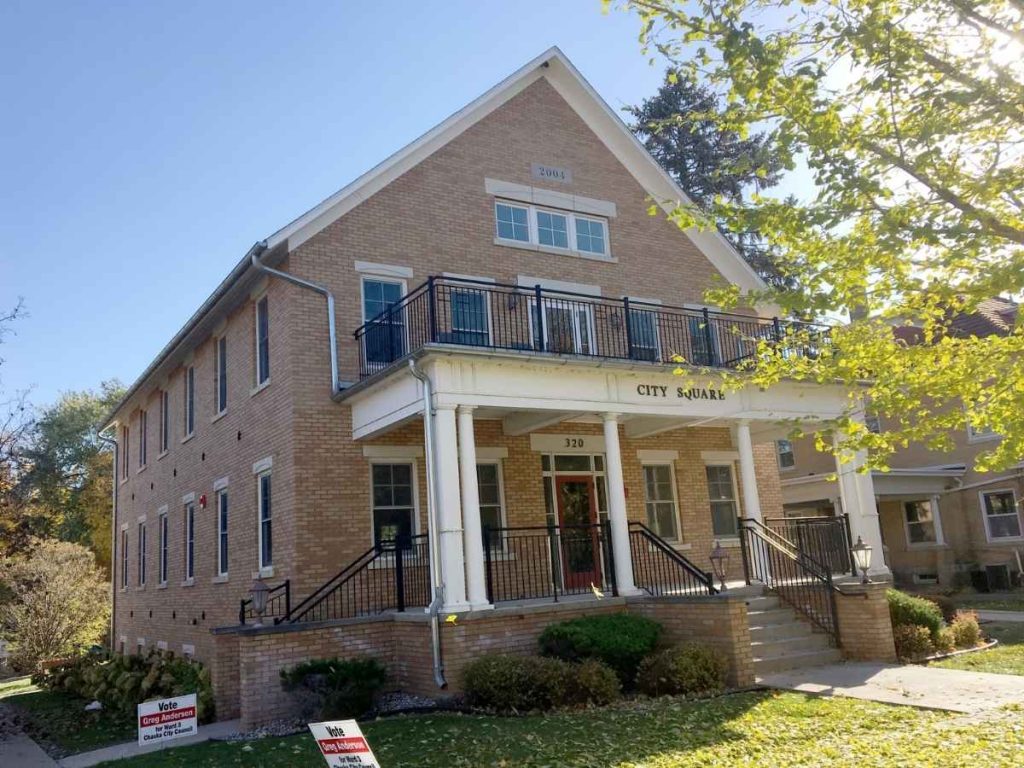
Our 16-bed women’s campus is in downtown Chaska, fully separate from our men’s sites. The Klein Mansion is next door for the step-down to outpatient with lodging.
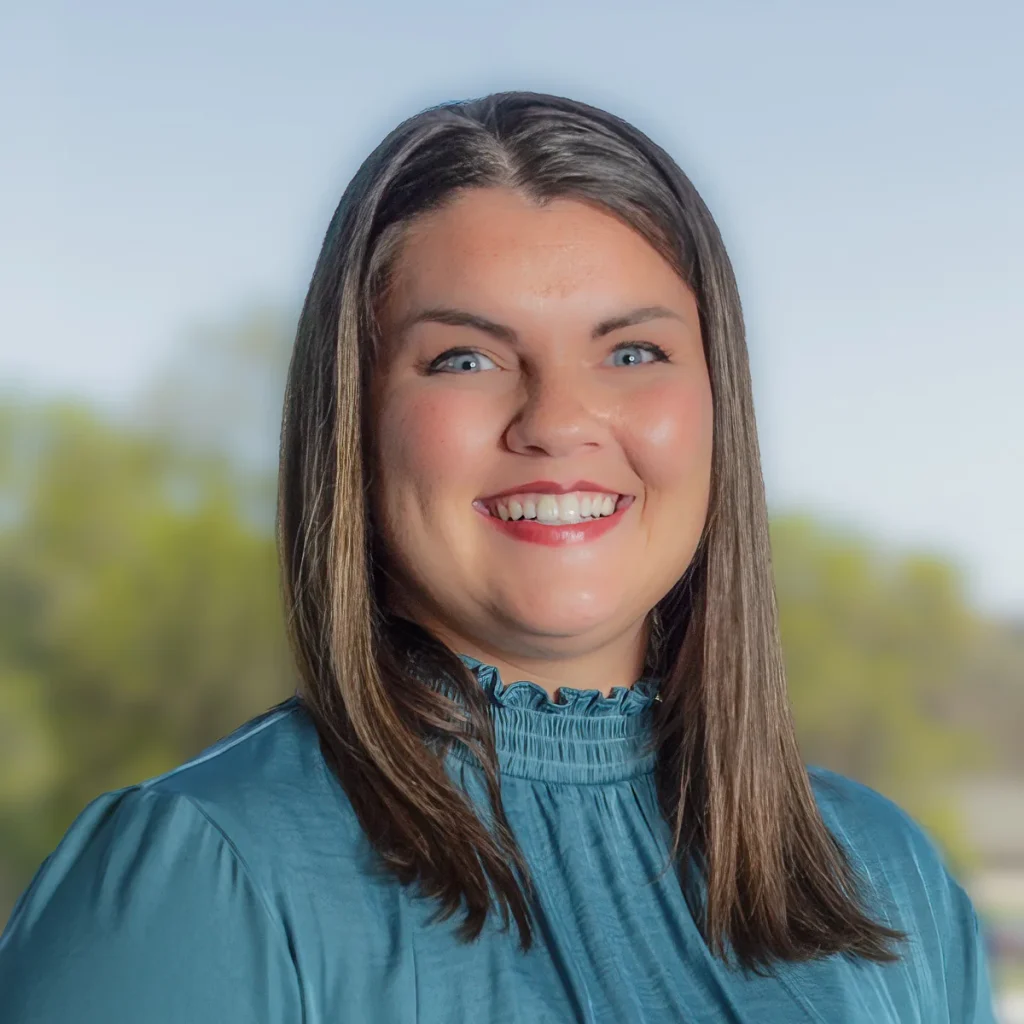
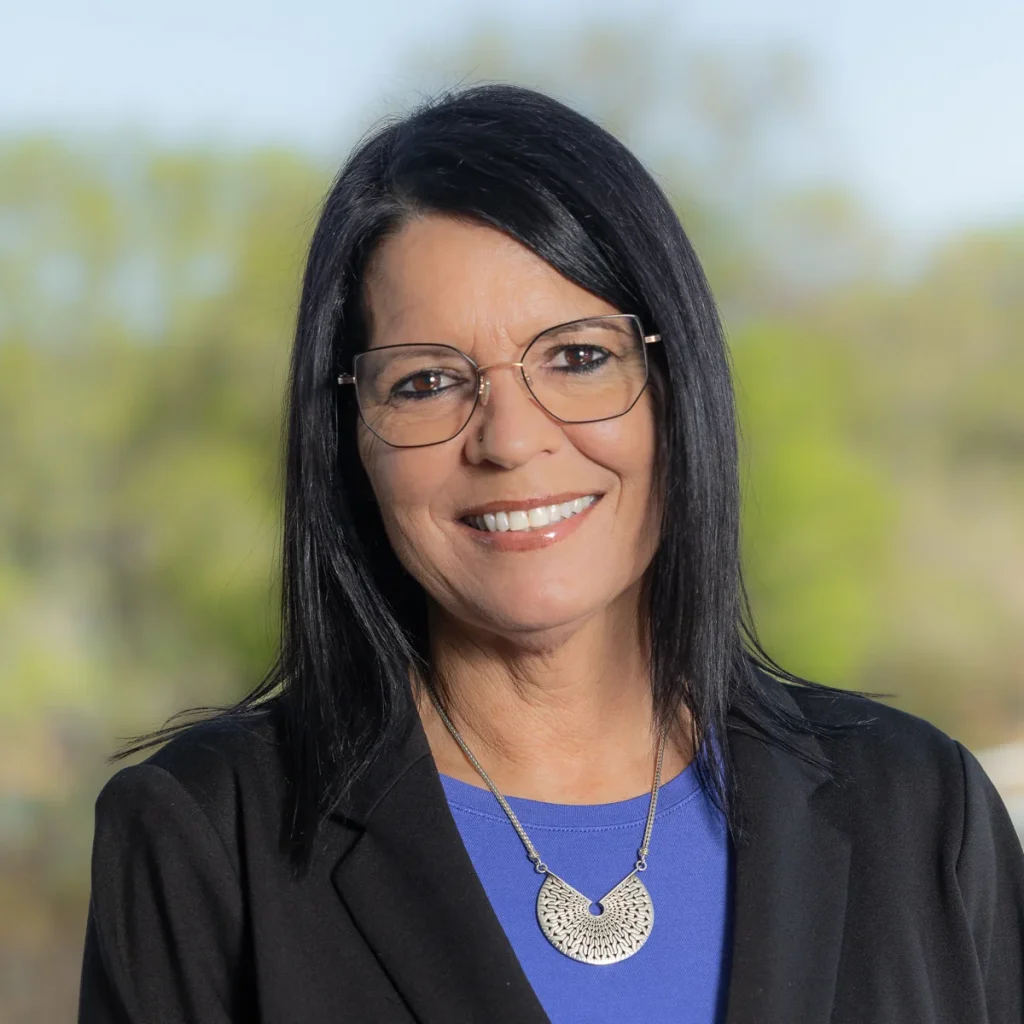
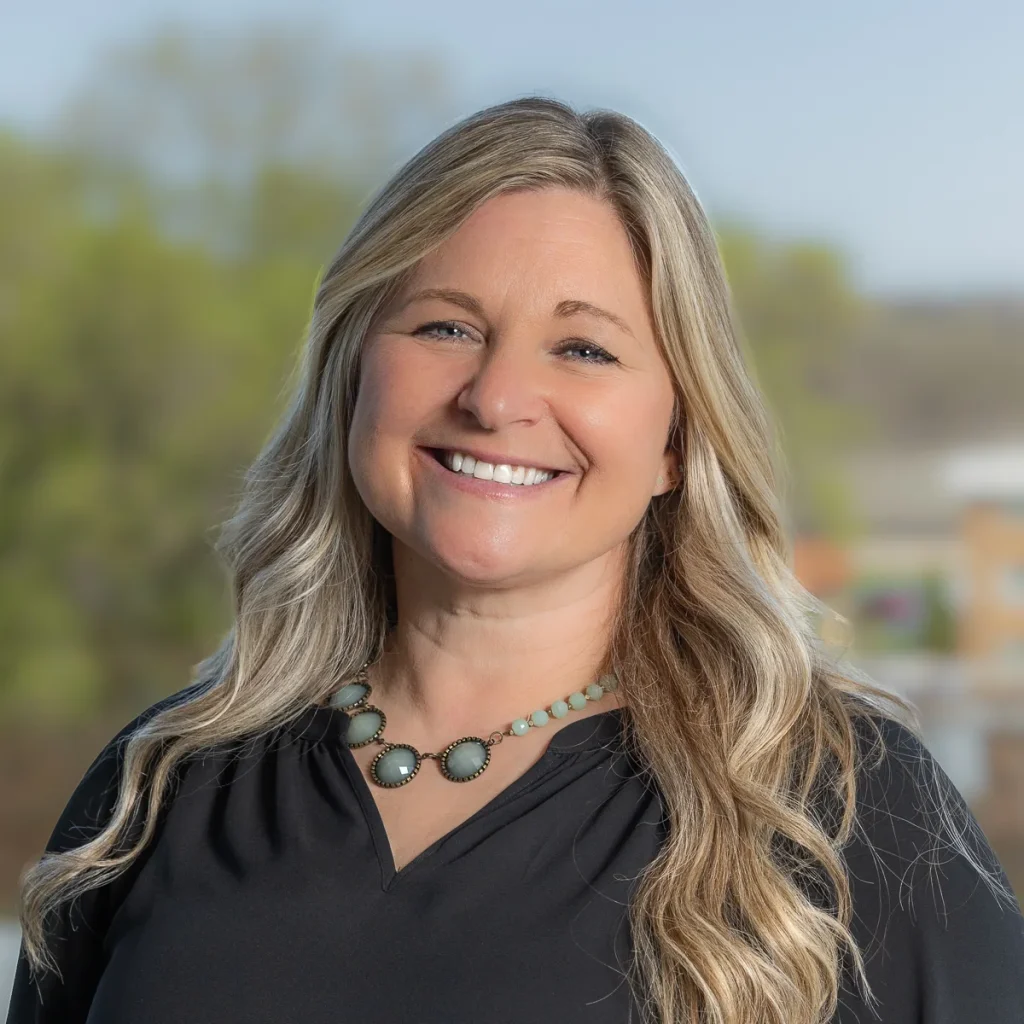
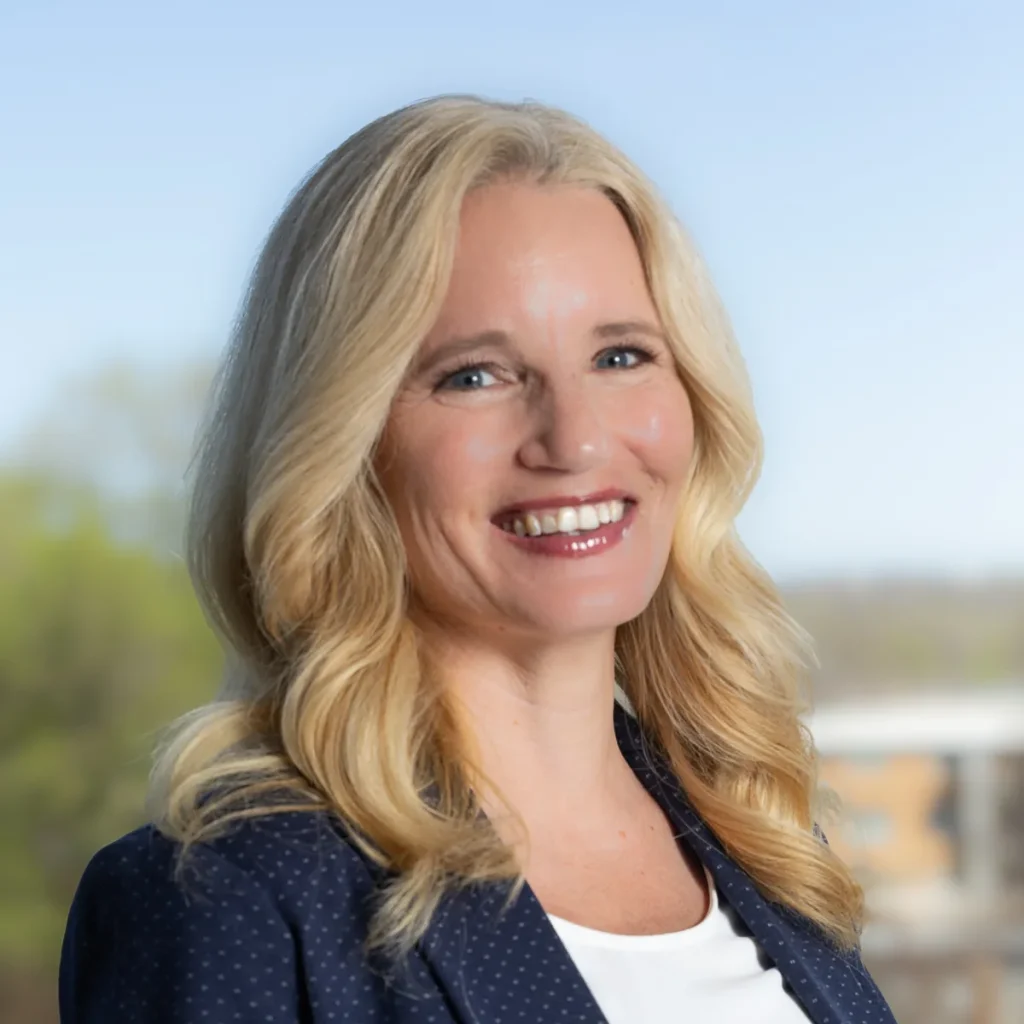
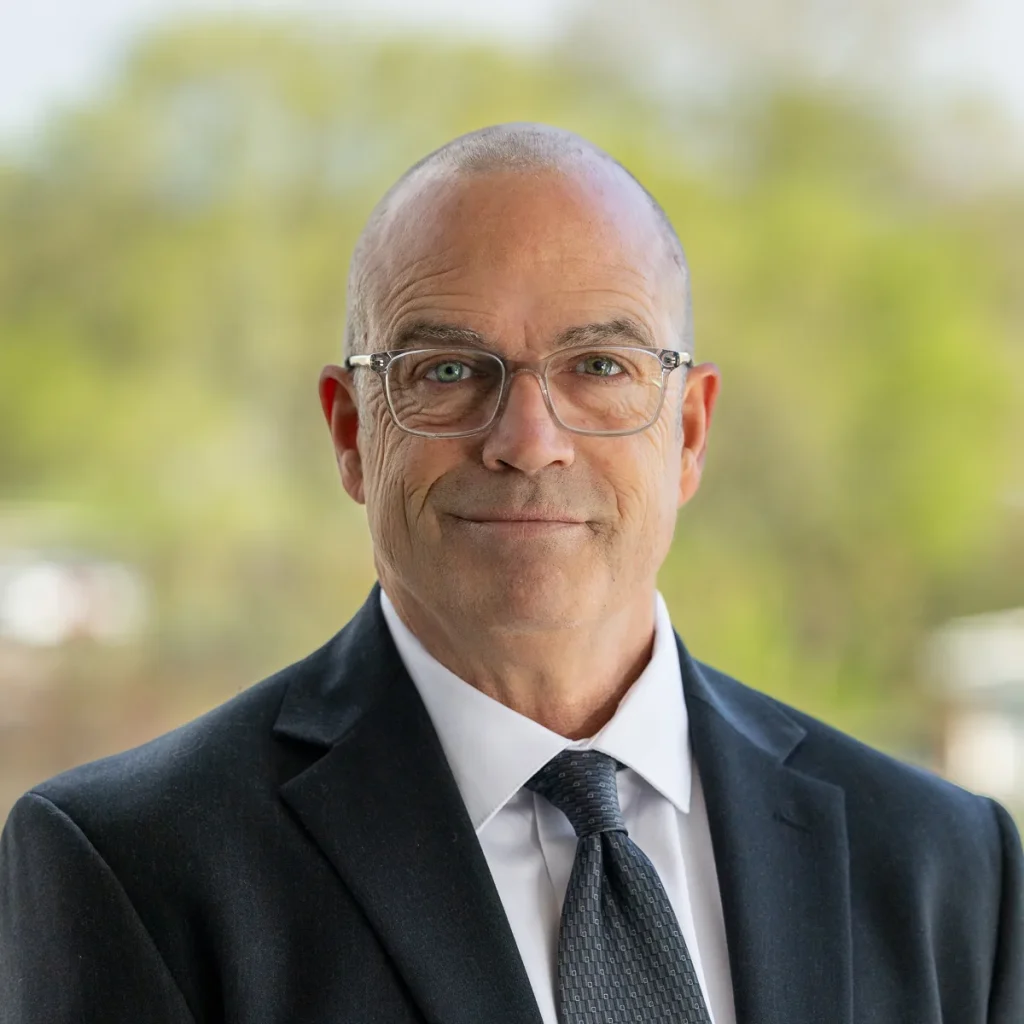
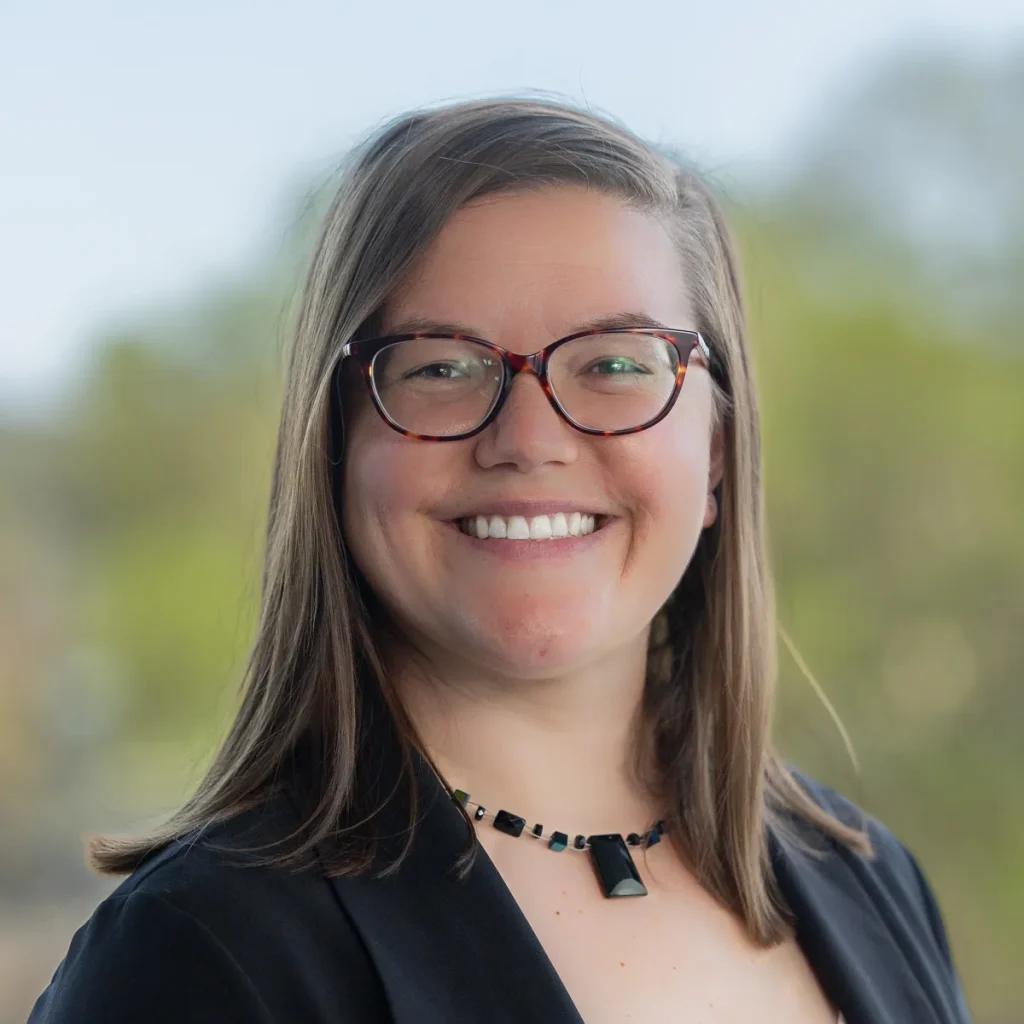
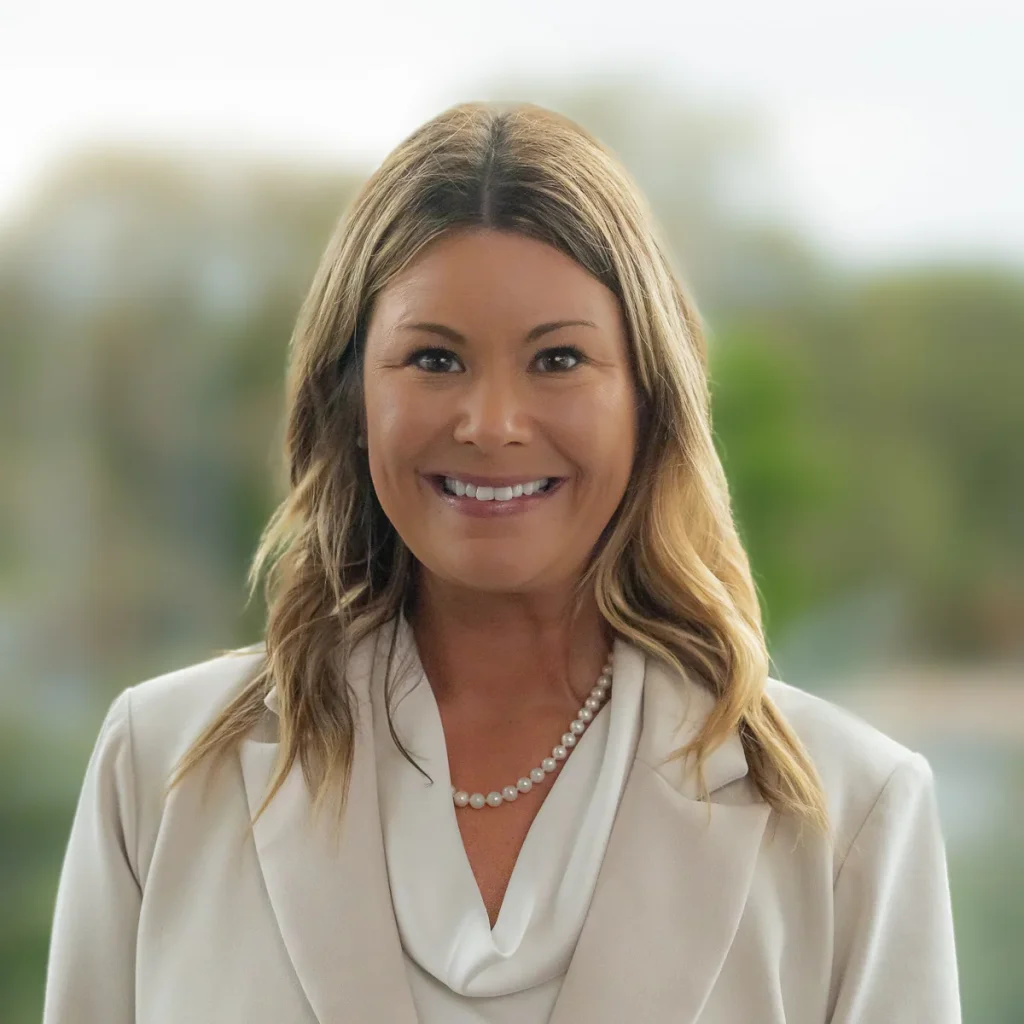
Our leadership has decades of combined treatment experience, including leaders who came through treatment themselves. Beyond the credentials, they listen. Our staff care about your recovery, and you will feel it.
Executive Vice President | Shakopee Corporate Office
Each inpatient campus also has a mental health professional assigned to it. So co-occurring care is part of daily programming, not a referral. Our providers treat both addiction and mental health. They care for the whole person, men and women alike.
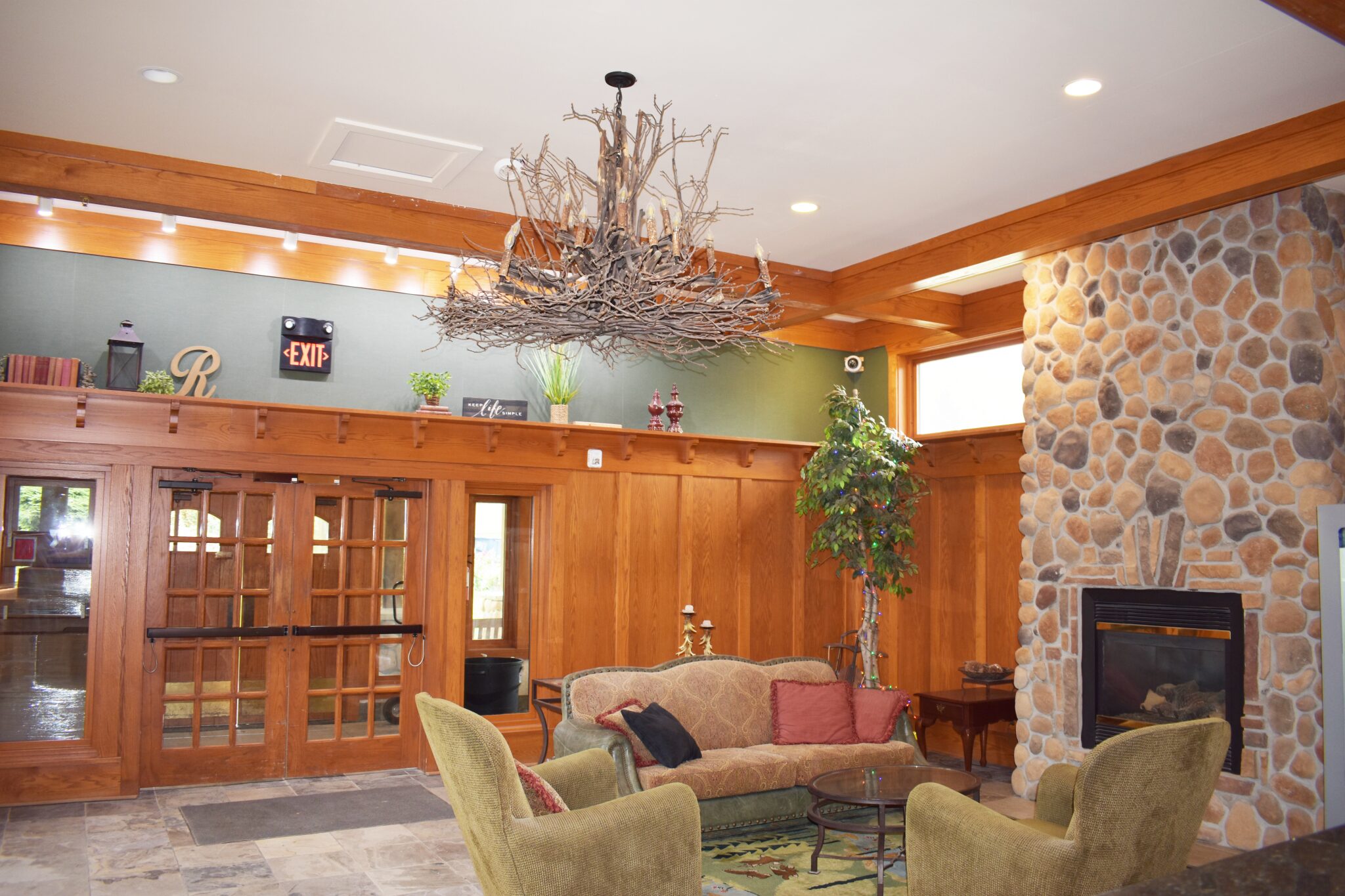
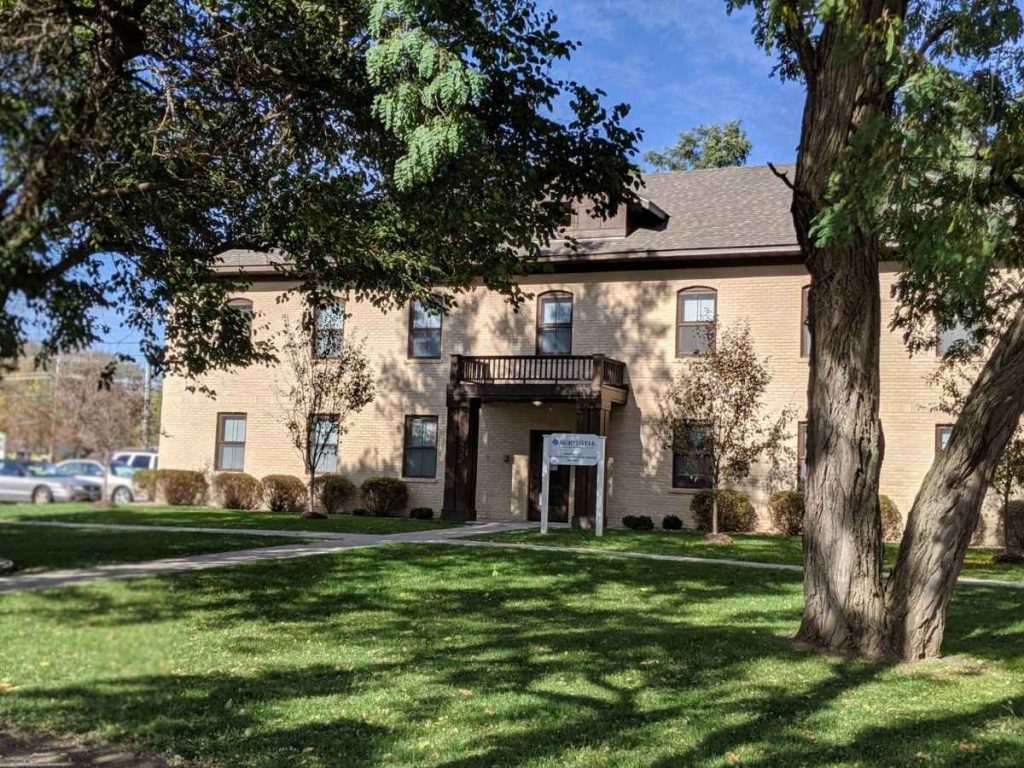
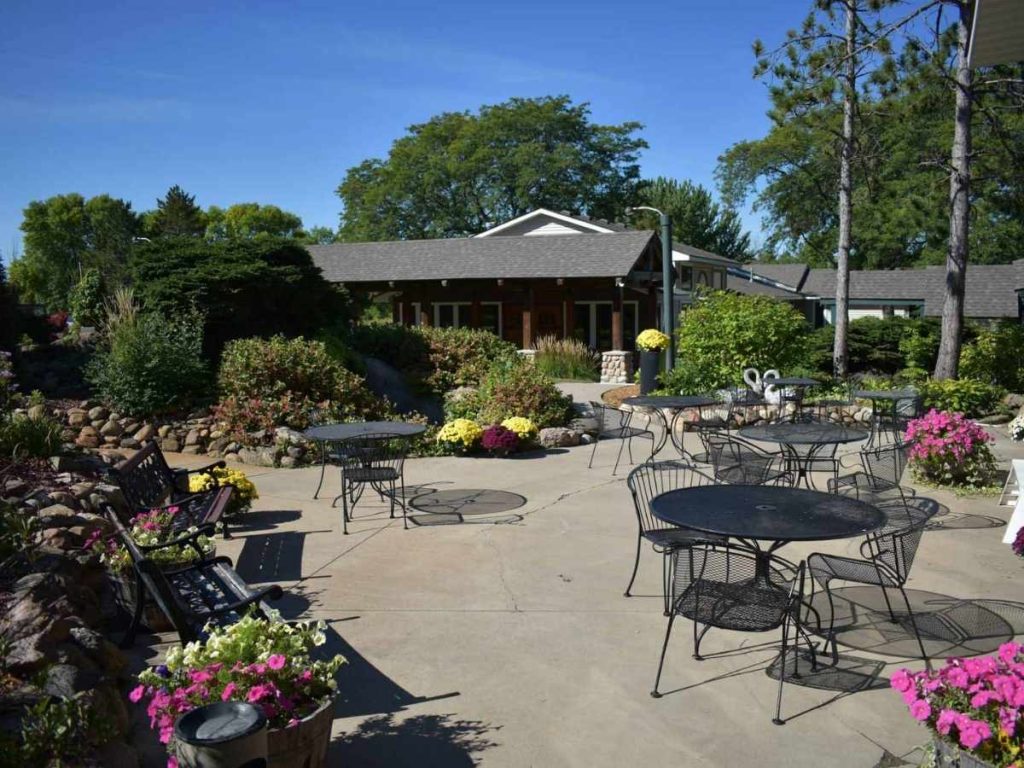
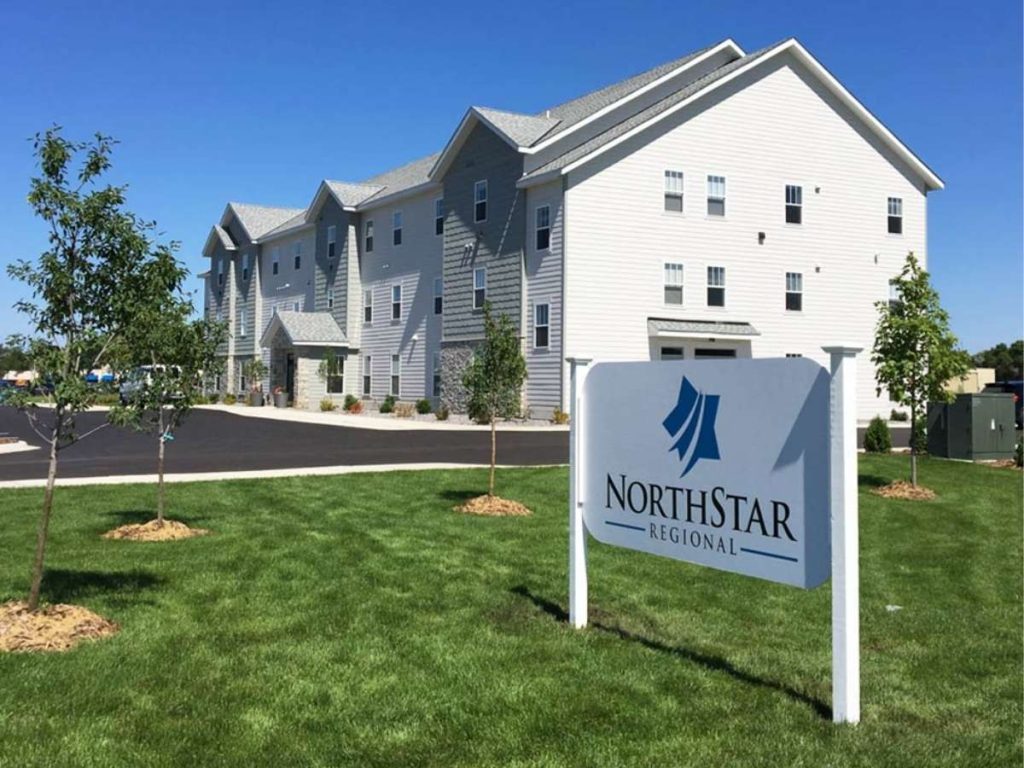
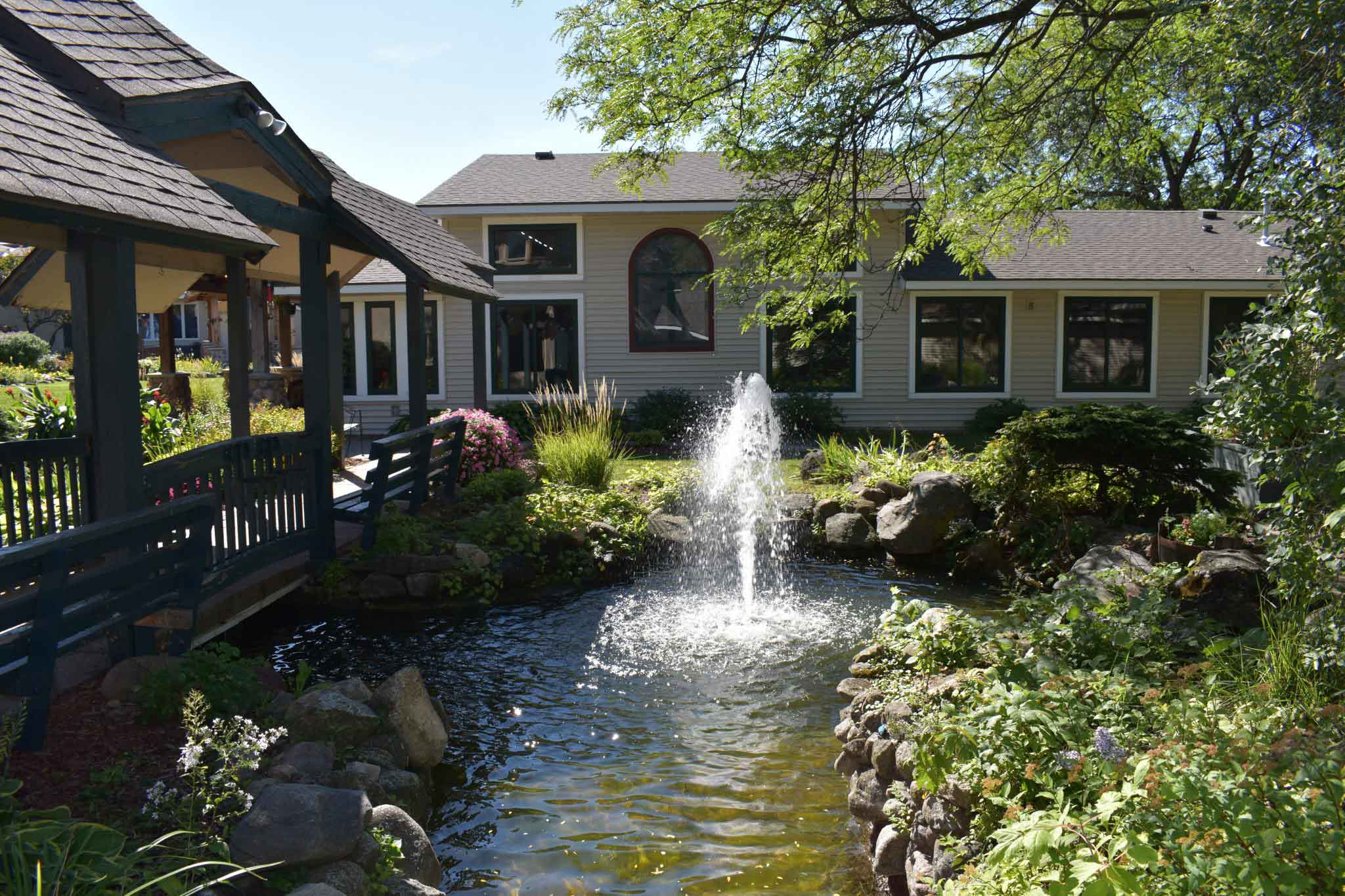
Every photo here shows our real campuses, including the rooms, grounds, and entrances you’ll walk through on your first day.
Riverfront walking paths for reflection and outdoor groups
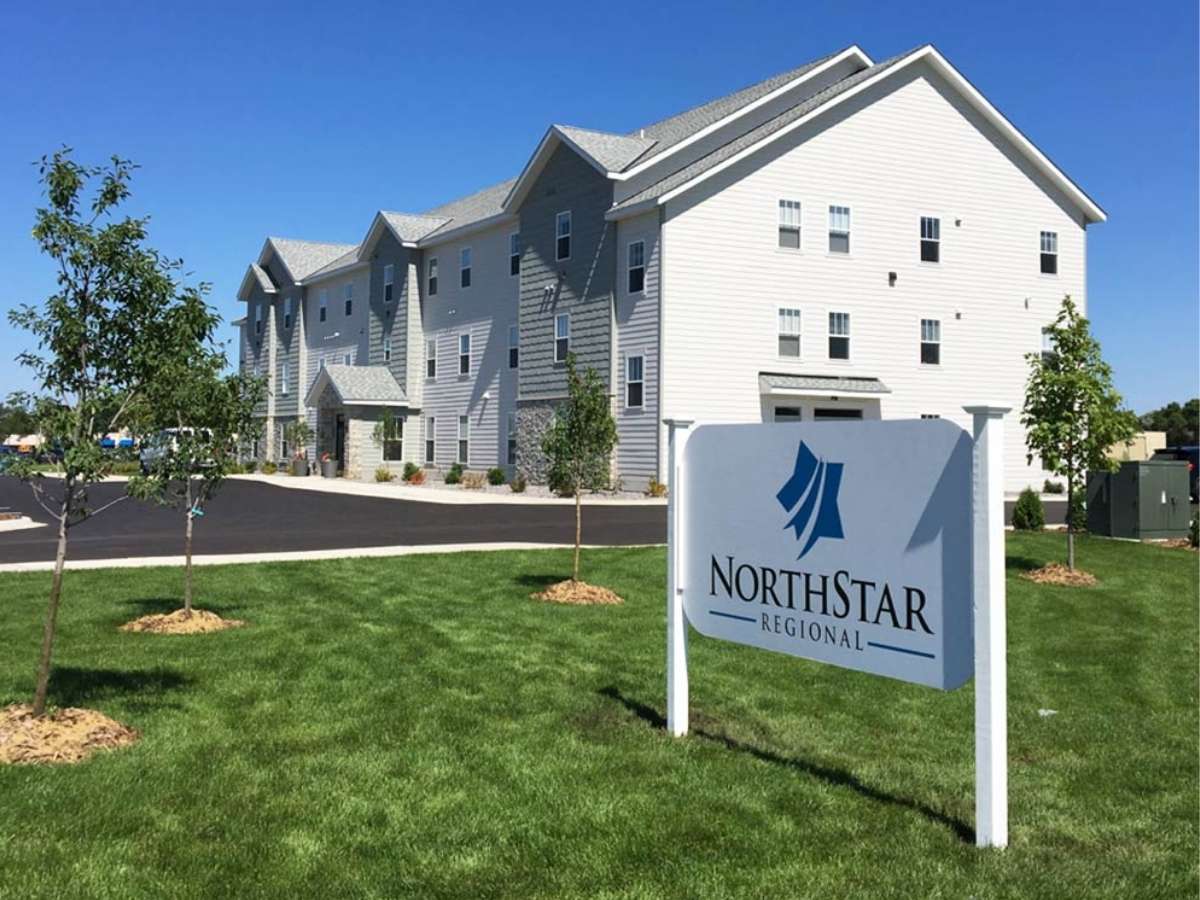
One of our campuses in a residential neighborhood
A bedroom at our men’s treatment center in Otsego
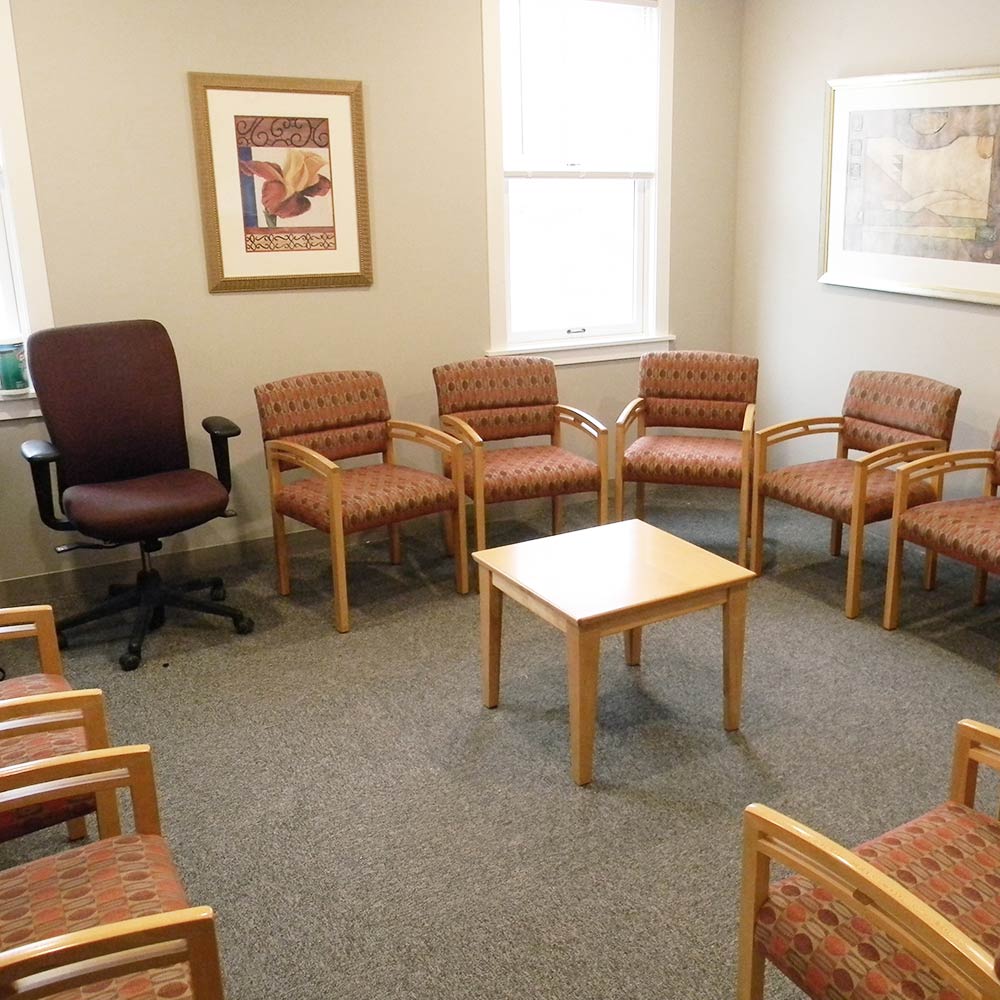
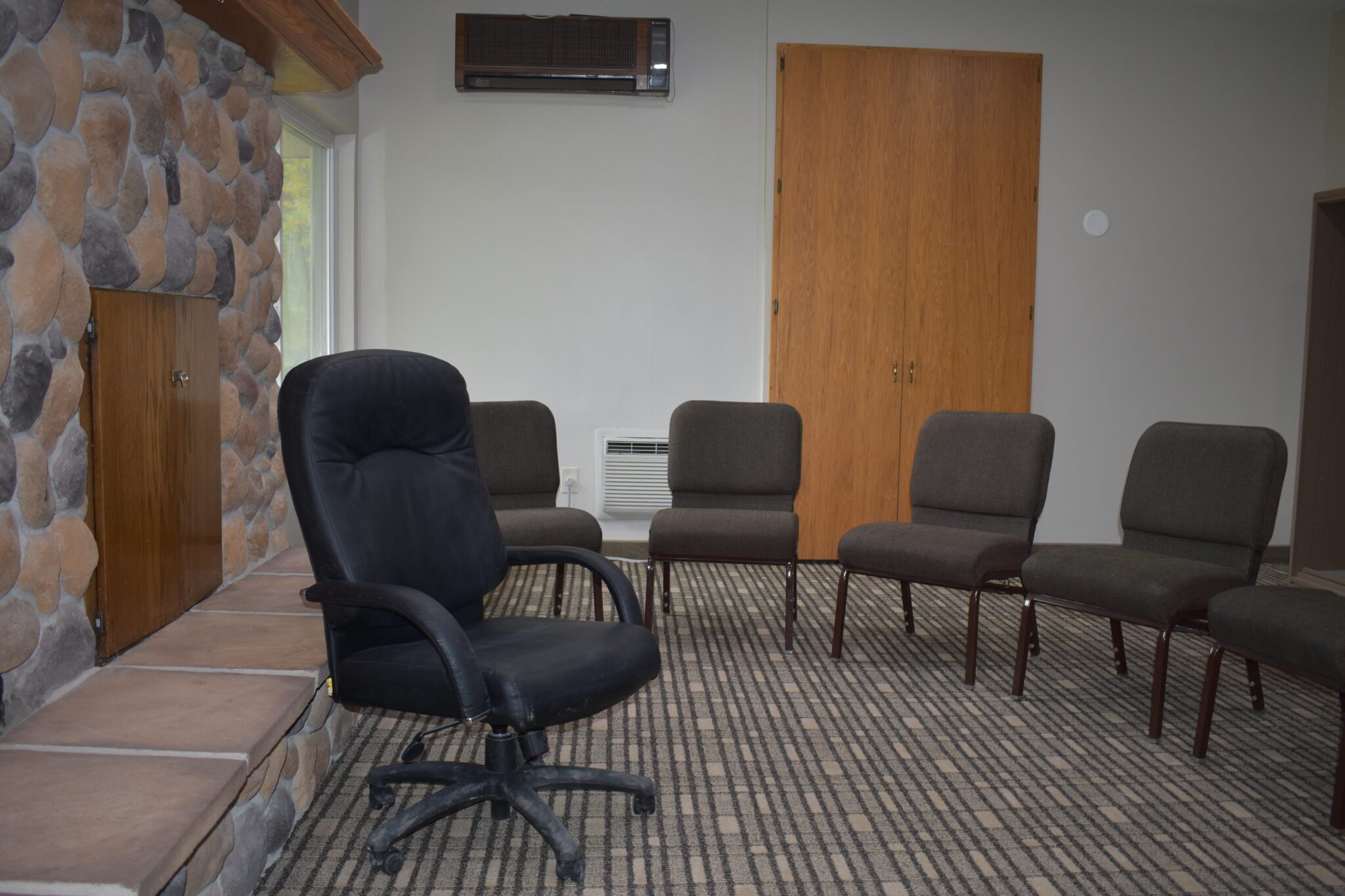
The group room where daily therapy groups meet
The dining room where clients share meals
A fitness room clients can use during free time
Want to see more? Take the five-minute video walkthrough of our men’s treatment center in Otsego on the Otsego location page.
For parents, spouses, and friends
How Do I Help a Loved One Get into Inpatient Rehab?
You don’t have to wait until they ask. Families start most of the admissions that come through our doors, often for someone who is still struggling to say the words out loud.
Step 1
Call Us First, Even Before They're Ready
We listen, tell you what’s open, verify the insurance, and coach you on the conversation. You can start the entire process on their behalf.
Step 2
Have the Conversation
Without ultimatums and without judgment. We can help you find the words, and if they’re not ready today, we’ll help you plan for the day they are.
Step 3
We Handle the Rest
The moment they say yes, we come get them, anywhere in the Twin Cities metro. Then intake, a meal, a comprehensive assessment, and treatment begins.
If you’re asking whether you have a problem, you probably already suspect the answer. Maybe you’ve hidden it, counted how much, promised to stop on Monday, or woken up trying to piece together last night. Maybe you’ve quit before and it didn’t last. You don’t need to lose everything before you deserve help, and you don’t need to be certain to start. Being willing for even a minute is enough to make one phone call.
Being ready doesn’t mean you’re not afraid, and it doesn’t mean you’ve stopped doubting. It means you make the decision and let us handle the logistics. You only need one moment of willingness. We handle everything after that.
“The client has done the hard work by picking up the phone. We will carry them the rest of the way.”
What Happens From Your First Call to Your First Night
You did the hard part when you picked up the phone. Here is exactly what happens next, so nothing about day one is a mystery.
You Call and a Real Person Answers
A real person answers, usually within seconds, and asks one short question: substance use, or mental health? There is no phone tree, and you don’t have to tell your life story. We ask only what we need and handle the rest.
We Help with the Details
Our team helps review your benefits, and a short screening covers withdrawal risk, medical needs, and mental health, so you land at the right level of care. Then we schedule you, same day or next day whenever possible.
We Pick You Up
You get reminder calls and texts. Before pickup, your admissions coordinator and your driver call you together, so you know the name, the car, and the timing before it’s in your driveway. In the car: water, Gatorade, snacks, and a bagged lunch. Your driver, most often someone in long-term recovery, helps with your bags.
A Real Person Meets You When You Arrive
Your driver walks you inside and hands you off by name to the team member waiting for you. Your intake team completes your application with you. If you’re hungry, there’s a meal waiting. Treatment starts, and you never carried the logistics.
“The client has done the hard work by picking up the phone. We will carry them the rest of the way.”
Our team helps review your benefits and handles the paperwork with you. If you have no insurance, we help walk you through enrolling for benefits. County case managers, probation officers, hospitals, and crisis teams send clients to us because, in their words, we just get it done.
Insurance and State Funding
Commercial plans, Medical Assistance (Medicaid), county placements, and private pay. We verify benefits and handle the paperwork with you.
We help review your benefits, find your right starting point, and schedule you for the same day or the next whenever possible. Then we pick you up anywhere in the Twin Cities metro.
Don’t just take our word for it. Here is what alumni say about their time in treatment.
Who's behind the work
About NorthStar Regional
NorthStar Regional is Minnesota’s treatment system built around access: alcohol and drug treatment centers and mental health care across multiple Twin Cities metro locations. Founded in 2015, we provide one connected continuum: detox (withdrawal management), residential, outpatient, mental health, and a sober housing pathway. Separate men’s and women’s campuses, co-occurring care at designated programs, and no faith requirement set us apart. We accept Medical Assistance (Medicaid) and most major insurers, and if you are uninsured, our admissions team helps you through enrollment. A person can walk in with nothing and leave with everything they need to build a life.
How admissions works, guides for families, and the forms you can complete early. More resources are linked throughout the site, or contact admissions and we’ll send anything by email.
What is inpatient rehab, and how is it different from detox?
Medical detox is the short first stage, about 3 to 7 days, where your body gets stable with 24/7 nursing care. High-intensity residential treatment is what comes next. It is live-in treatment where you do the real work of recovery: individual and group counseling, mental health care, education sessions, and skills building. At NorthStar Regional the two are linked, so you move from detox into residential treatment inside the same system without waiting on a referral.
How long does inpatient rehab last?
A typical stay is about 35 to 50 days, including medical detox. From there, most clients step down to low-intensity residential care. Then intensive outpatient, and then relapse prevention. Clients who finish all levels of care are with NorthStar Regional a year to 18 months.
When does drug use need inpatient care instead of outpatient?
When stopping keeps not working. That can mean withdrawal that needs medical care, or a home where the using happens. It can also mean a co-occurring condition that outpatient hours can’t handle. Your comprehensive assessment answers this with you.
Do you offer inpatient drug rehab and inpatient alcohol rehab?
Yes, both. The substance shapes the plan, because detox steps, medicines, cravings work, and the timeline all differ. Alcohol, opioids, meth, cocaine, and benzodiazepines each get their own plan. Our medical partner offers medication-assisted treatment, such as naltrexone and buprenorphine (Suboxone).
Are men and women treated separately?
Yes. High-intensity residential treatment runs on four separate campuses. Three are for men: our men’s treatment centers in Eden Prairie, Otsego, and Shakopee. The women’s campus in Chaska is fully separate, and the closest building is more than a mile away. Couples can sometimes be admitted at the same time, with separate programming, depending on availability and clinical fit.
Will my insurance cover inpatient rehab?
Coverage depends on your plan, the service, eligibility, and authorization requirements. Our team helps review your benefits and available payment options. Benefits verification is not a guarantee of payment.
What should I bring with me?
Comfortable clothes for about a week, any current medications in their original containers, and your ID and insurance card if you have them. Little else is needed, and if you come with nothing, that is okay. From day one, admissions helps with clothing and basics.
Can I contact my family during treatment?
Family contact is part of recovery. Each campus has set ways to stay in touch. Rules on phones and visits vary by campus and stage of treatment. Ask admissions what applies to your program when you call. Telehealth family sessions are offered for relatives with disabilities or long drives.
What are the next steps after inpatient rehab?
You step down inside the same system. Low-intensity residential treatment comes first, then intensive outpatient, with lodging if housing is not solved yet. After that comes relapse prevention for 6 to 8 months or longer, and a sober living pathway. No hand-offs between providers, and no starting over.
Admissions
Make the First Call and We'll Take It from There
Confidential, no obligation, and answered by someone who knows what you’re facing and cares to listen.
We help review your benefits, find your right starting point, and schedule you for the same day or the next whenever possible. Then we pick you up anywhere in the Twin Cities metro.