
Women's Rehab in Minnesota
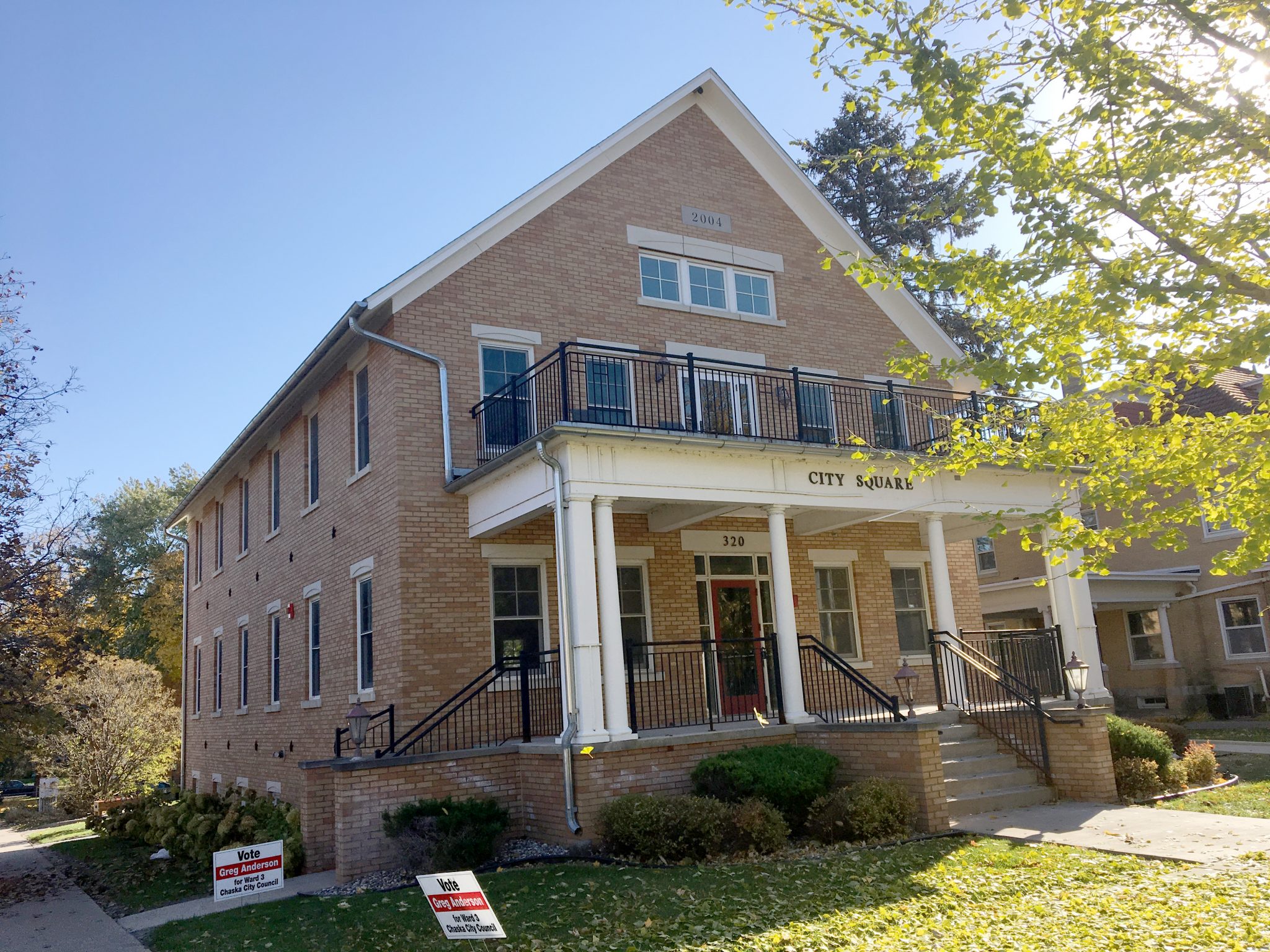
Recovery takes openness, and openness takes safety, so NorthStar Regional runs women’s rehab in Minnesota on a fully separate campus in downtown Chaska. The residential program is built for women, with 16 beds, round-the-clock staffing, and a women-led clinical team. Care is trauma-informed, and the trauma or depression underneath shares one plan with the substance use. Women then continue next door at the Klein Mansion and into a sober housing pathway. We accept Medical Assistance (Medicaid) and most major insurers, and safety here is not a feature but the foundation.
Safety isn’t a feature here. It’s the foundation everything else stands on.
The program at a glance
Women's Rehab
A residential rehab center for women on a campus of its own. Each stage after has a women’s version too.
Women's continuum
Licensed Treatment Programs

Founded 2015
Addiction and mental health care in one system

Multiple Campuses
Across the Twin Cities metro

MN Department of Health: Licensed
MN Department of Human Services: Licensed
A leader in women's recovery
Why Women's Rehab Needs Its Own Campus
Recovery takes openness, and openness takes safety. For many women, substance use is tied to trauma, and in mixed settings they may not feel safe enough to open up. Trauma treatment requires that openness. Biology, caregiving duties, and safety all shape how addiction shows up in women’s lives. That emotional load is part of the clinical picture. A rehab for women addresses this head on, with a separate campus, women’s groups, and women-led clinical staff. It also has a culture where the stories in the room are familiar.
Ours goes further than a separate wing or track. The women’s campus is fully separate, in downtown Chaska, and led by our women’s clinical team. The Klein Mansion is next door, so the community a woman builds in residential care goes with her to the next stage. It is compassionate by design, not by slogan, and built to give what mixed settings can’t: a safe setting that everything else depends on.

One Full Continuum
Where This Program Fits in the Full Addiction Treatment Continuum
Women’s rehab sits at the inpatient stage of care. Support is built into a women’s version of every step that follows. That means the Klein Mansion for IOP with lodging, relapse prevention, and a sober living pathway for women. Same system, same community, the whole way. Recovery lasts best when nothing gets handed off to a new provider.
About 3 to 7 days
Medical Detox
Safe drug and alcohol withdrawal with 24-hour nursing at the withdrawal management center in Eden Prairie, for alcohol, opioids, and benzodiazepines.
About 35 to 50 days
Inpatient Rehabilitation
The flagship program: 35 to 50 days of live-in treatment on separate men’s and women’s campuses.
85 to 105 connected days
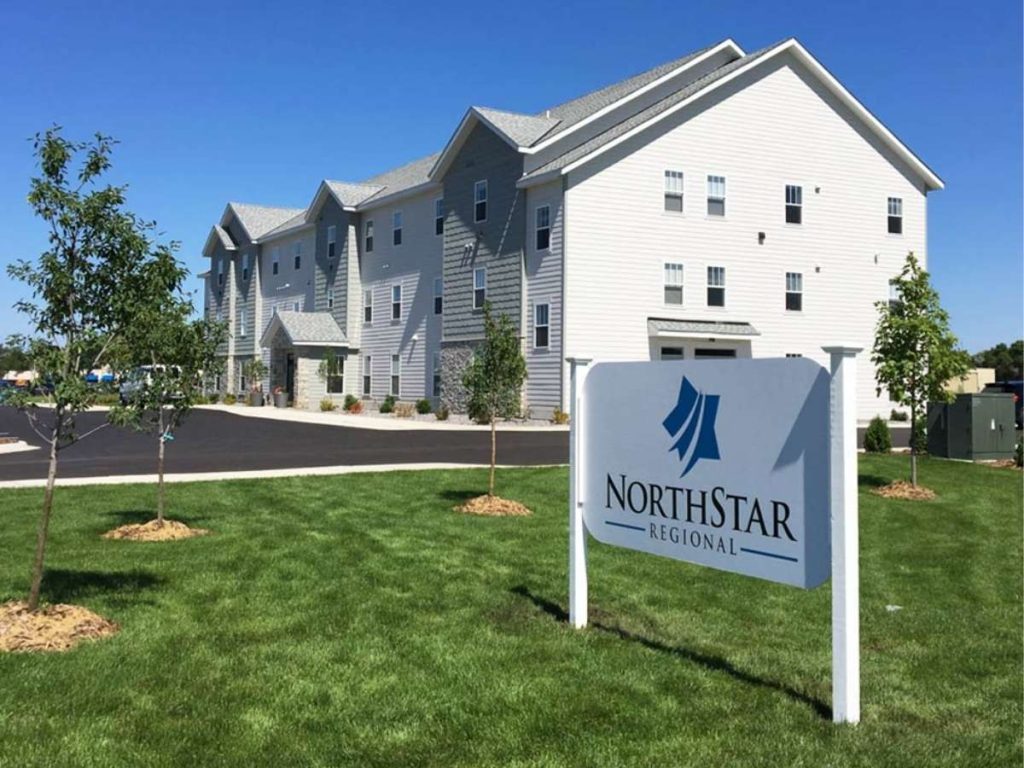
Low-Intensity Residential
A home with recovery support while you build back your own life.
With or without lodging
Intensive Outpatient
Outpatient treatment that fits around work and family, with a place to stay if needed.

6 to 8 months or longer
Relapse Prevention
Weekly sessions and peer support through the months that matter most. We watch closely for early warning signs.
The rest of the way
Sober Living
Substance-free housing where recovery gets an address.
A Daily Routine That Supports You
What a Day Looks Like on the Women's Campus
We structure your world while you learn to structure it yourself. Then, step by step, you take the structure back, and the focus widens from surviving to living a life you chose.
Up and Grounded
Up between 7:00 and 7:30, breakfast together, and the program starts at 8:00. Each day opens with meditation, to ground and center before the work begins.
The Real Work
Primary groups and mental health groups in the morning, when minds are freshest. After lunch, education and recreation groups. Plus individual therapy sessions, where treatment focuses on the causes.
Community and Rest
Free time, dinner with the other clients, and a peer support meeting of your choosing, in a supportive setting where rest counts as work too. The day closes with reflection and gratitude. Curfew is at 10:00 and lights out at 11:00.
Addiction and dual diagnosis
Addiction and Mental Health: One Team for Both
For women most of all, substance use disorders and mental health disorders go together. Having both is the rule, not the exception: trauma and PTSD, anxiety, depression, bipolar disorder. Our women’s rehab treats the whole picture, in the same program, by the same team, at the pace trauma work needs. Mental health conditions that get ignored become the next relapse. Treatment works on the causes, not just symptoms. The trauma and the substance use are handled in one plan, and that holistic approach keeps the focus on the whole picture. That is co-occurring disorders care at a woman’s pace.
For Addiction
Every substance we treat, from alcohol to every kind of drug, has its own page. Each one covers the path from the first assessment through sober living.
For Co-Occurring Disorders and Mental Health Treatment
At designated NorthStar Regional programs, mental health conditions are treated along with addiction, in one plan. This is called co-occurring care. You can also get standalone mental health treatment at our outpatient clinic in Shakopee. No established diagnosis is needed to contact us.
Inside Treatment
Therapies and Mental Health Treatment Services Inside This Program
Trauma-informed care, proven by research, all the way through. Full services in one plan, adjusted as you go to fit your needs.
EMDR for Trauma
For many clients, substance use grew around trauma. EMDR helps the brain process traumatic memories that talk therapy alone often does not resolve.
Group and Individual Counseling
Daily process groups, group therapy for the shared work, and one-on-one counseling with your counselor. All proven by research and paced for real people.
CBT and DBT-Informed Skills
Skills work proven by research: notice the thought, catch the pattern, choose differently. Plus skills for handling strong emotions and hard moments.
Family Therapy
Addiction affects relationships, and so does recovery. Family sessions rebuild trust. They show your family how to help, not hover.
Comprehensive Assessment and Individualized Treatment
A comprehensive assessment finds what you need first. Then your own treatment plan is rebuilt as you grow.
Counseling and Mental Health Services
Mental health services run through the whole week. That means mental health groups, psychiatric support through our medical partner, and medication management where it helps. A mental health professional is also assigned to the campus.
Where this program runs
Every Stage of Recovery on One Campus
Residential
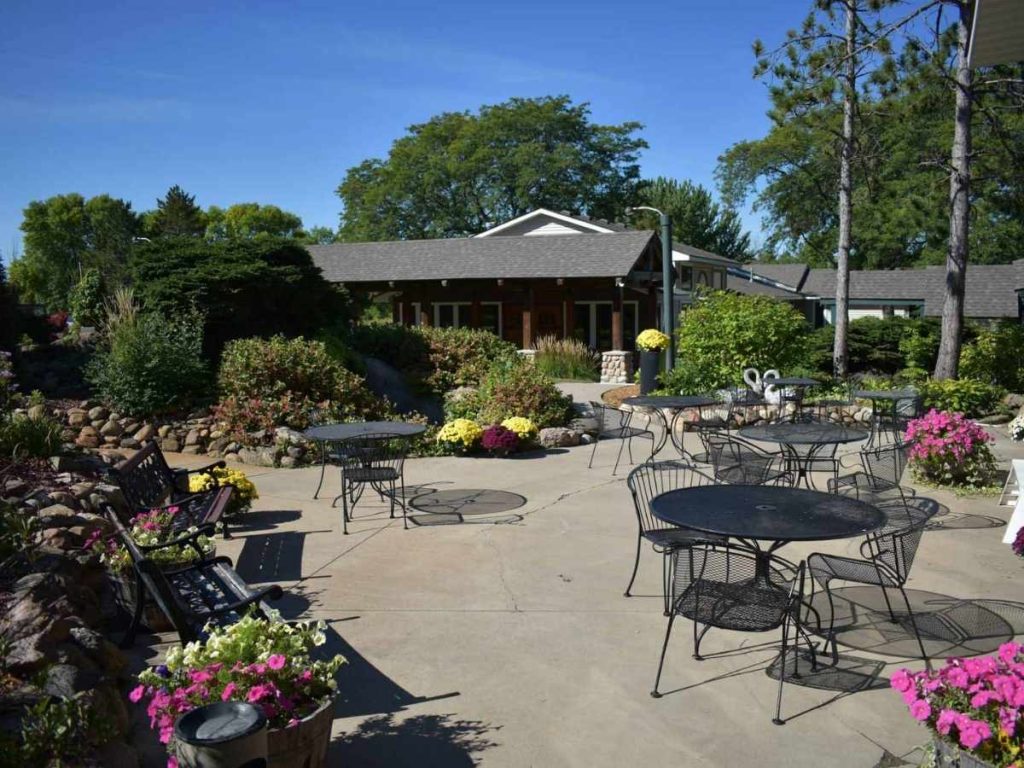
Women's Treatment Center | Chaska
16 beds and 24-hour staffing in downtown Chaska. About 30 minutes from Minneapolis. A women’s treatment center in a neighborhood, not a complex.
Step down
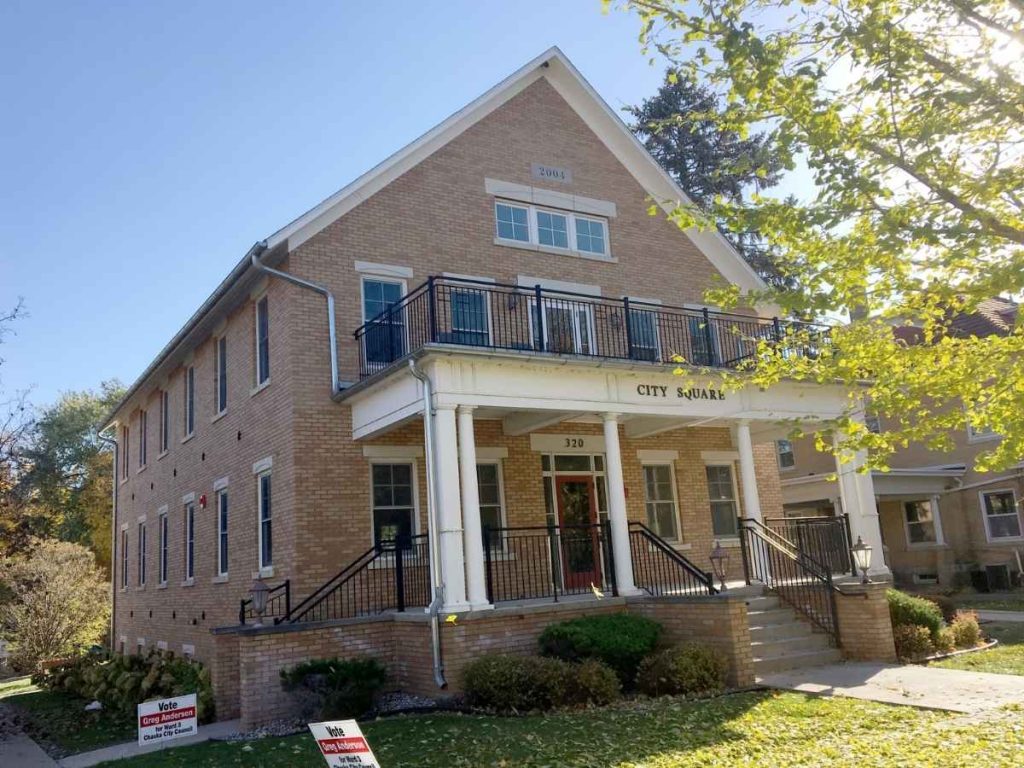
The Klein Mansion
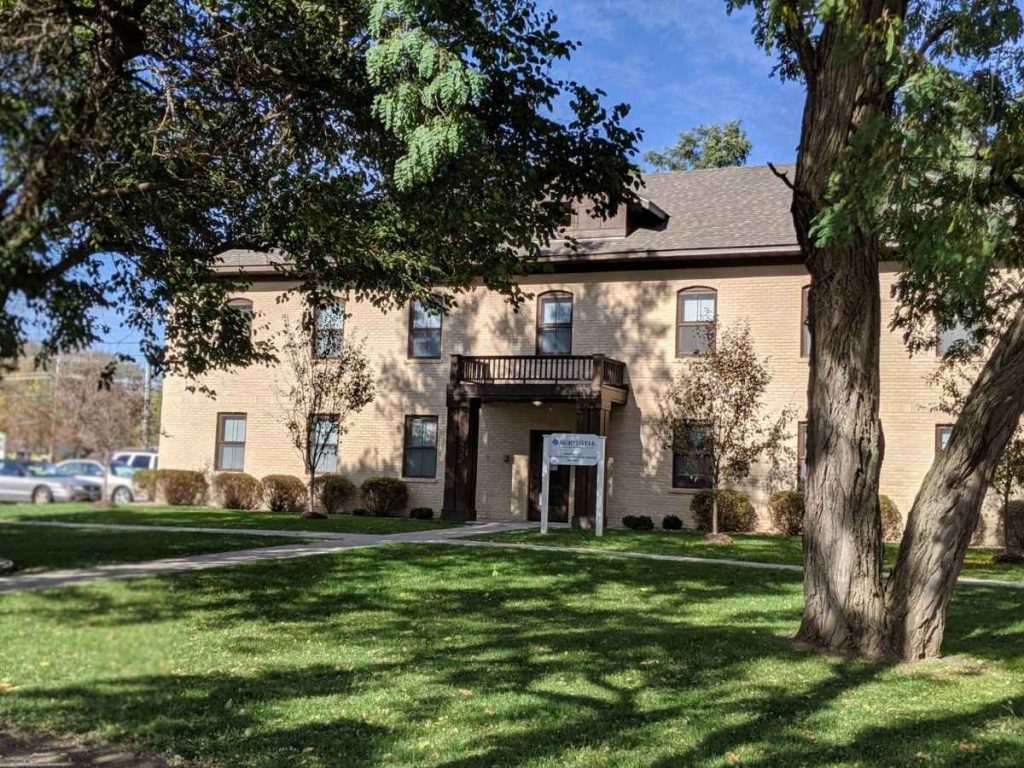
Women’s IOP with lodging, next door: the step down is a walk across the lawn, with clients continuing together.

The pathway
Sober Living for Women
Drug-free housing with recovery rules. The community you built, and the women in it, stay part of your new life.

What Recovery Makes Possible
What Life Looks Like After Treatment
Recovery means being able to live a normal life. That means a job you can keep, a family that trusts you again, and ordinary weekdays that feel doable. Women leave here with more than sobriety. They leave with a stable life, custody hearings they can face calmly, and work resumed, plus friendships that started in group and go on after it. For mothers, daughters, and partners across Minnesota, this campus is where families finally feel relief, and it all starts with safety first.
Healing involves the whole family. Parents, spouses, and children have been worried and waiting too. So family work is part of the program, not an add-on. Our support for families starts before your loved one ever says yes.
Before You Call
Signs You're Ready for Treatment
If you are asking whether you need help, you probably already suspect the answer. Maybe you have hidden your drinking or use, counted drinks, promised to stop on Monday, or woken up trying to piece together last night. Maybe you have quit before and it didn’t last. You don’t need to lose everything before you deserve help, and you don’t need to be certain to start. If you feel ready to get help, even for a moment, that is enough to make one phone call.
Being ready doesn’t mean you’re not afraid, and it doesn’t mean you’ve stopped doubting. It means you make the decision and let us handle the logistics. You only need one moment of willingness. We handle everything after that.
Reading this for someone you love? You can start the entire process on her behalf: call, and we will coach you through the conversation with understanding, not scripts. Start with our guides for parents and for spouses and partners.

How Admission Works
What Happens From Your First Call to Your First Night
You did the hard part when you picked up the phone. Here is exactly what happens next, so nothing about day one is a mystery.
You Call and a Real Person Answers
A real person answers, usually within seconds, and asks one short question: substance use, or mental health? There is no phone tree, and you don’t have to tell your life story. We ask only what we need and handle the rest.
We Help with the Details
Our team helps review your benefits, and a short screening covers withdrawal risk, medical needs, and mental health, so you land at the right level of care. Then we schedule you, same day or next day whenever possible.
We Pick You Up
You get reminder calls and texts. Before pickup, your admissions coordinator and your driver call you together, so you know the name, the car, and the timing before it’s in your driveway. In the car: water, Gatorade, snacks, and a bagged lunch. Your driver, most often someone in long-term recovery, helps with your bags.
A Real Person Meets You When You Arrive
Your driver walks you inside and hands you off by name to the team member waiting for you. Your intake team completes your application with you. If you’re hungry, there’s a meal waiting. Treatment starts, and you never carried the logistics.
“The client has done the hard work by picking up the phone. We will carry them the rest of the way.”
Sarah Roy, Executive Vice President
Paying for Care
Insurance and Payment Options
Our team helps review your benefits and handles the paperwork with you. If you have no insurance, we help walk you through enrolling for benefits. County case managers, probation officers, hospitals, and crisis teams send clients to us because, in their words, we just get it done.

Insurance and State Funding
Commercial plans, Medical Assistance (Medicaid), county placements, and private pay. We verify benefits and handle the paperwork with you.
We Are Here to Help
We help review your benefits, find your right starting point, and schedule you for the same day or the next whenever possible. Then we pick you up anywhere in the Twin Cities metro.


Reviews from Google
Why Clients Choose NorthStar Regional
Don’t just take our word for it. Here is what alumni say about their time in treatment.
Who's behind the work
About NorthStar Regional
NorthStar Regional is Minnesota’s treatment system built around access: alcohol and drug treatment centers and mental health care across multiple Twin Cities metro locations. Founded in 2015, we provide one connected continuum: detox (withdrawal management), residential, outpatient, mental health, and a sober housing pathway. Separate men’s and women’s campuses, co-occurring care at designated programs, and no faith requirement set us apart. We accept Medical Assistance (Medicaid) and most major insurers, and if you are uninsured, our admissions team helps you through enrollment. A person can walk in with nothing and leave with everything they need to build a life.
Keep reading
Related Articles and Resources
Resources
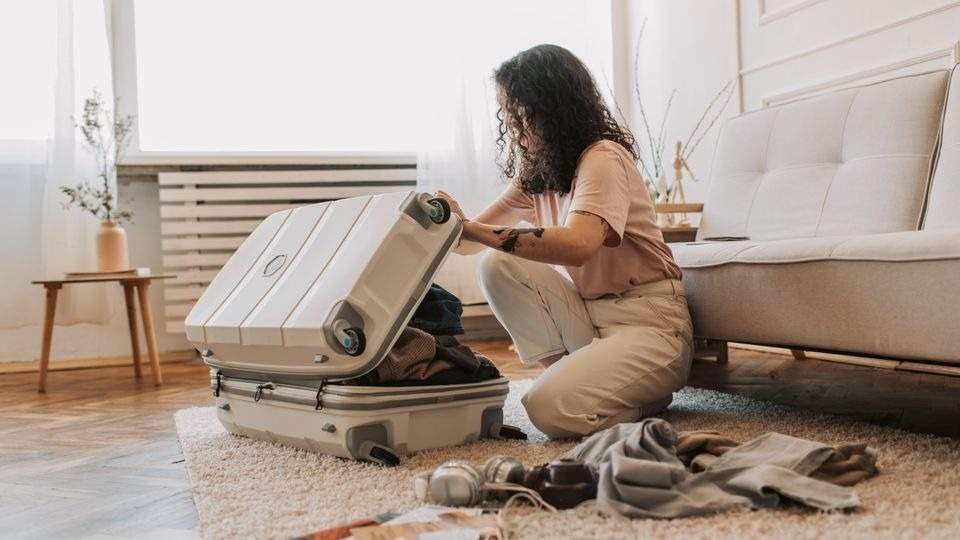
Before You Call
How admissions works, guides for families, and the forms you can complete early. More resources are linked throughout the site, or contact admissions and we’ll send anything by email.
Questions we hear every day
Common Questions About Women's Rehab
What makes a rehab for women different?
A rehab for women is different because safety comes first in every part of the program. Women’s recovery is tied to trauma at rates that men’s often is not. In mixed-gender settings many women find it very hard to speak openly, which treatment requires. Our women’s rehab runs on a fully separate campus. The closest men’s building is more than a mile away. Clients tell us again and again that they feel safe here, often for the first time in years. Safety is where hope starts.
Where is your women's residential rehab center?
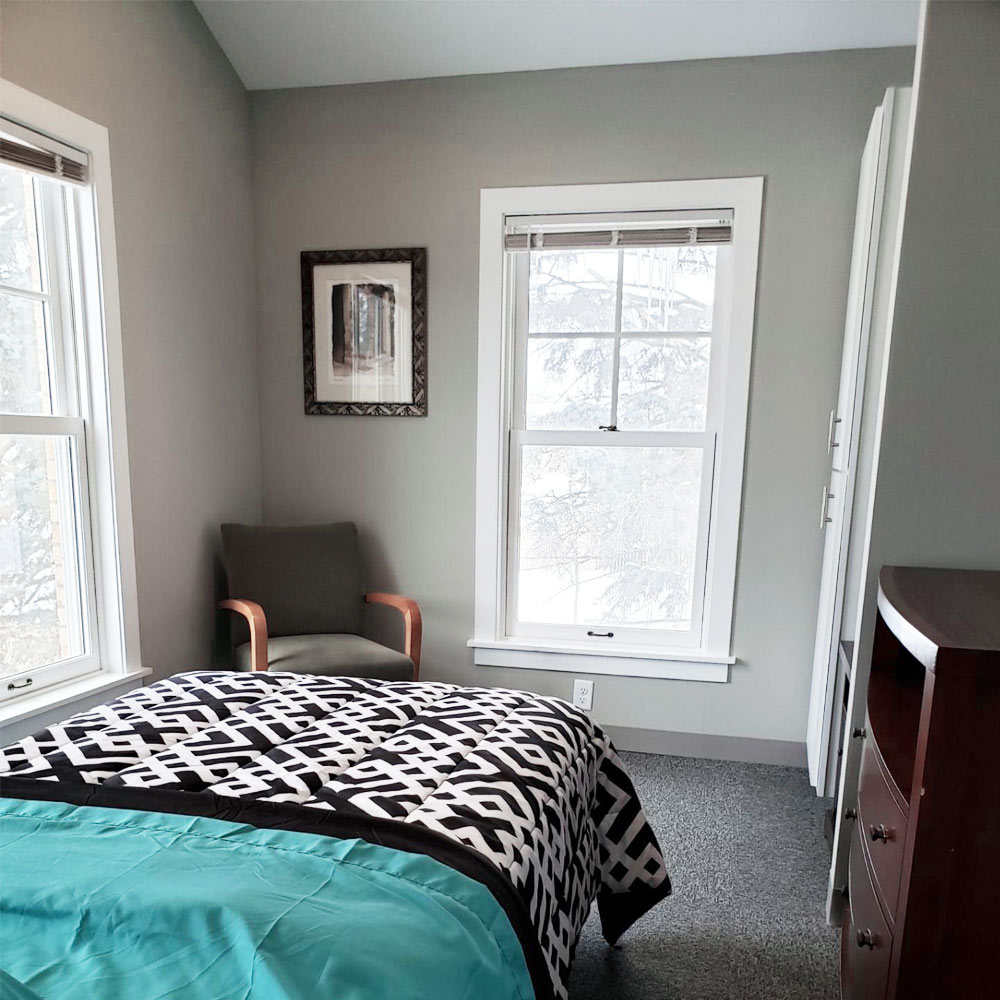
In downtown Chaska: 16 beds, 24-hour staffing, single and double rooms, and the Klein Mansion next door for the step down to IOP with lodging. It’s a treatment center that feels like a home: a campus of your own in the middle of town.
What substance use disorders does women's rehab treat?
Substance use of each kind, drugs and alcohol alike. We also treat the co-occurring mental health disorders that so often come with it for women. Those include trauma and PTSD, anxiety, depression, and bipolar disorder. Each week includes both the substance work and the mental health work, with counseling built around your needs.
Do you serve pregnant women?
Yes. Pregnant women call us every week, often afraid of being judged instead of helped, and that fear itself puts mothers and babies at risk. We will give you a plan, not a lecture. Call us. We will be honest about fit and coordinate with your prenatal care provider so pregnancy and recovery are planned together. If a program that specializes in pregnant women would serve you better, we will help you get there.
Is there sober living for women afterward?
Yes, the pathway continues. You go from residential treatment to the Klein Mansion for IOP with lodging, then into the sober living pathway. The community you built walks with you at each step of your addiction recovery.
Can couples enter treatment at the same time?
Sometimes. Couples and family services depend on availability and clinical fit, so ask when you call. When it works out, couples are admitted at the same time, at the same organization, with fully separate campuses and programs, so each person’s recovery has its own space.
How long is women's rehab?
About 35 to 50 days of residential treatment, including medical detox. Treatment planning is reviewed as you go, then comes the step down next door. Women who complete every level of care are with us a year to 18 months.
Will insurance cover women's rehab?
Coverage depends on your plan, the service, eligibility, and authorization requirements. Our team helps review your benefits and available payment options. Benefits verification is not a guarantee of payment.
What about my children?
Children don’t live on campus, and we know that is the hardest part of saying yes, so ask us directly. Family contact is built into the program, and family therapy is part of the work. Admissions can talk through what visits with your children look like and what custody cases require. The goal is recovery that includes your children, on a realistic timeline, and we will be honest with you about it.
Admissions
Make the First Call and We'll Take It from There
Confidential, no obligation, and answered by someone who knows what you’re facing and cares to listen.