
Addiction and Mental Health Therapies We Offer
Addiction therapy is what happens inside treatment, so NorthStar Regional keeps the whole toolkit on the table. The core is CBT for thought patterns, DBT for hot emotions, EMDR for trauma, and family therapy for your household. Individual and group work, art and music, yoga and meditation, nutrition, and life skills fill out the day. Each one addresses substance use and mental health together, and your assessment sets the starting mix. We accept Medical Assistance (Medicaid) and most major insurers, and one question matters when comparing programs: does therapy fill the day?
Licensed Treatment Programs

Founded 2015
Addiction and mental health care in one system

Multiple Campuses
Across the Twin Cities metro

MN Department of Health: Licensed
MN Department of Human Services: Licensed
Find what you need
Core Therapies for Drug Addiction and Mental Health Explained
The therapies clients and families ask about most. Every therapy name links to its full guide.
Cognitive Behavioral Therapy
Catch the thought, test it, choose a different path. This is the method inside every program.
Dialectical Behavior Therapy
Four skill families for the moments that break recoveries.
EMDR Therapy
Trauma treatment proven by research. It works on memories that talk therapy alone often does not resolve.
Family Therapy for Addiction
Addiction affects the whole family, so treatment here includes the family.
Our Programs
Each therapy above lives inside each level of care we offer, from detox to aftercare. Your comprehensive assessment is what picks the mix for you.
Comprehensive Assessment
This is the evaluation that picks which addiction and substance use therapies you start with.
Why it works
How Addiction Therapy Treats Substance Use Disorders
Substance use disorders are treatable, and addiction therapy is a core part of how. Research shows that behavioral therapy changes the habits around drug use by working on what drives them. That means the triggers in your mind, stressful situations that used to end in using, and the decision making in the seconds before a relapse. The National Institute on Drug Abuse is blunt about the other half. Addiction is a chronic condition, and relapse can be a normal part of the road back. A return to drug use means the treatment plan needs a change, not that the person failed. That is true for alcohol, drugs, and every other substance, and our therapists plan treatment with both facts in mind.
Behavioral Therapy For Drug Use
CBT and DBT are the most used therapies in drug addiction treatment. You learn to notice the thought, understand what follows it, wait out the urge, and practice a plan for getting through it. This is talk therapy with homework, and the focus stays practical. It is among the most studied ways to change substance use. It works, and the results can be measured, whether the drug is alcohol, opioids, or anything else.
Motivational Interviewing
Motivational interviewing starts where you are, not where a workbook says you should be. Sometimes it is offered as motivational enhancement therapy. Nobody here argues you into addiction recovery. Instead, your therapist helps you find your own reasons to change. Those reasons drive the work, not ours.
Healthy Coping Mechanisms Practiced Daily
White-knuckling it isn’t the goal. The goal is coping skills that actually hold when life gets hard. You practice what to do when stress hits, you make a plan for the triggers that used to end in using, and you rehearse it enough that when the urge shows up, you have a couple of seconds to choose something else. That is how clients manage cravings without a substance, and how they stay in recovery through a bad week.
Therapy and Medication-Assisted Treatment
For some substance use disorders, opioid use disorder above all, research is clear. Medication assisted treatment plus behavioral therapy works better than either one alone. That is why MAT is a standard part of opioid treatment across the country. It is not a fringe approach.
We are upfront about our role here. Medication decisions, including whether MAT is right for you, run through our medical partner. We provide the therapy side, built to work alongside medical care rather than replace it. Medication is not a shortcut and not a failing. It is one more tool for recovery, and the choice to use it is yours to make with your medical provider.
Verify Your Insurance
We accept most major commercial plans, Medical Assistance, and state funding. Our team helps review your benefits and what your plan covers.
Admissions
Talk with Someone Now
No script, no pressure. Tell us what’s going on and we’ll tell you what’s available today.
The rest of the toolkit
Holistic Therapies That Support Addiction Recovery
Healing does not only happen in a counselor’s office, and addiction therapy does not either. These therapies run through every NorthStar Regional treatment week. They work on the body, the routine, and the life that recovery has to fit back into. Each therapy name below links to a full guide to how it works and where to find it.
Individual Therapy
One-on-one sessions with your counselor and the mental health team. This is the private room where you work on your own issues. It runs weekly across every level of care, and on its own through counseling services.
Group Therapy
The daily core of treatment. Process groups and education sessions led by therapists, where you stop feeling alone. You hear from other people who have gotten through the same thoughts and problems you have. Group options run across the Twin Cities metro.
Art and Music Therapy
Art and music are part of treatment for a clinical reason. They help calm the nervous system, let you express feelings without having to talk, and help you enjoy everyday things again.
Recovery Yoga and Meditation
Every treatment day opens with meditation. Movement practice teaches a skill that supports every other one. You notice what is going on in your body, and you stay present when strong feelings come up.
Nutrition and Wellness
Bodies in early recovery are rebuilding too. Set meals, real food, and help with nutrition are part of residential life. Blood sugar crashes often trigger cravings.
Life Skills and Employment
Resumes, budgets, benefits paperwork, and the skills of living on your own. These get rebuilt before discharge. Being stable is relapse prevention.
Peer support runs alongside all of it. There are 12-step, SMART Recovery, and peer-led addiction support groups. None are required, and your higher power is yours to define. Cultural practices, including sweat lodge access, are part of what we offer some clients and communities.
Where the work happens
Therapy Across Every Level of Addiction Treatment
Addiction therapy isn’t a stage of the continuum; it’s the thread through all of it.
- In drug and alcohol detox, addiction therapy is brief. It helps you get stable
- In residential addiction treatment, it fills the day. Group therapy each morning and individual sessions each week. Family work as the household is ready, and medicine managed at the same time where it is needed
- In our outpatient treatment programs, therapy is the program. It is built around a work schedule
- And in sober living, therapy goes on next door. Normal life resumes, and recovery becomes routine
Hospitals, counties, and courts refer clients to us at every one of those levels. Our admissions team matches each person to the right program. There, we build the treatment plan, and the recovery plan that follows it, around your own goals.
Mental health works the same way here. Depression, anxiety, trauma, and co-occurring disorders are treated inside every program, not off to the side, because they feed off the same things substance use does. Treat one and ignore the other, and the untreated one usually brings the first back.
If you are comparing addiction treatment options anywhere in Minnesota, ask one question first. Does therapy fill the day? Or is it only mentioned in the brochure?

About 3 to 7 days
Medical Detox
Brief therapy that helps you get stable while the body clears. Nurses are on duty 24 hours a day at our withdrawal management center in Eden Prairie.
About 35 to 50 days
Inpatient Rehabilitation
The clinical day at full depth. Groups every morning and individual work each week. Family sessions as the household is ready.
85 to 105 connected days
Low-Intensity Residential Treatment
Therapy keeps its daily rhythm while you rebuild a life on your own.
With or without lodging
Intensive Outpatient
Here, therapy is the program. Several sessions a week around work, in person or by telehealth.
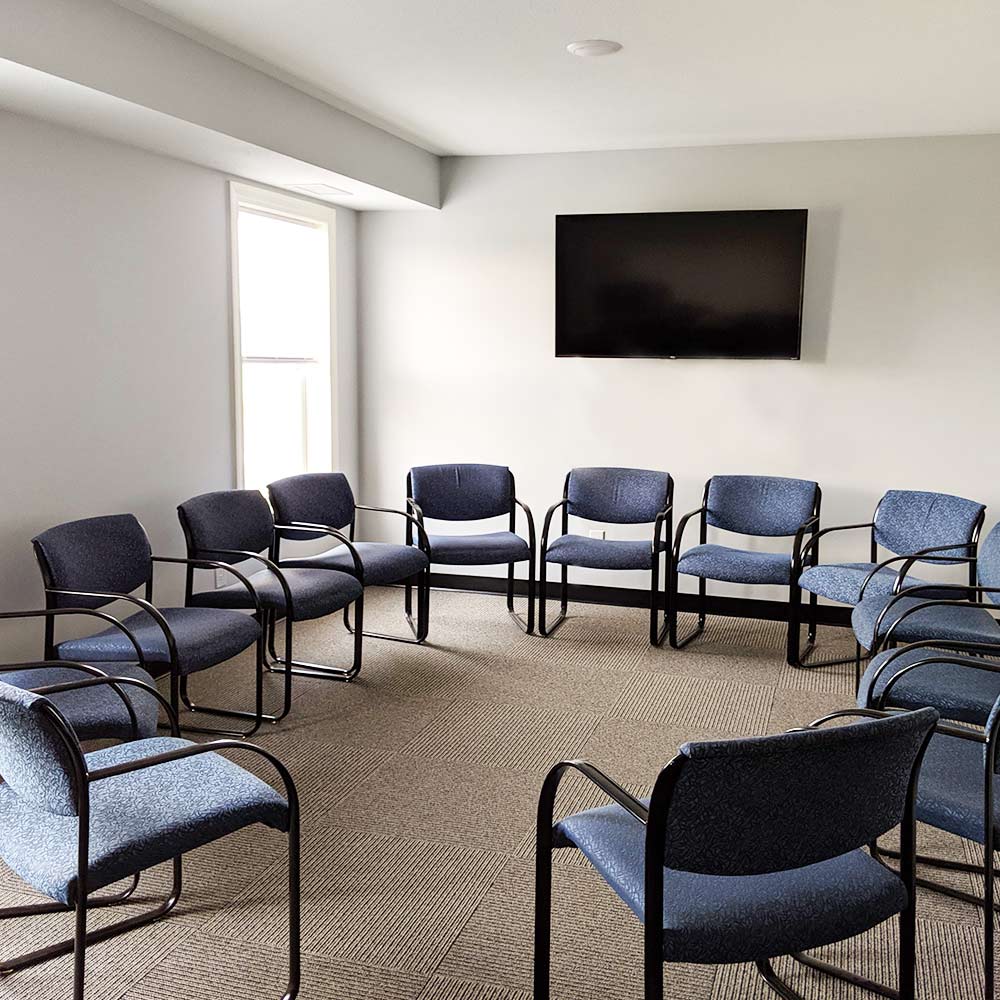
6 to 8 months or longer
Relapse Prevention
Weekly therapy that watches for early warning signs.
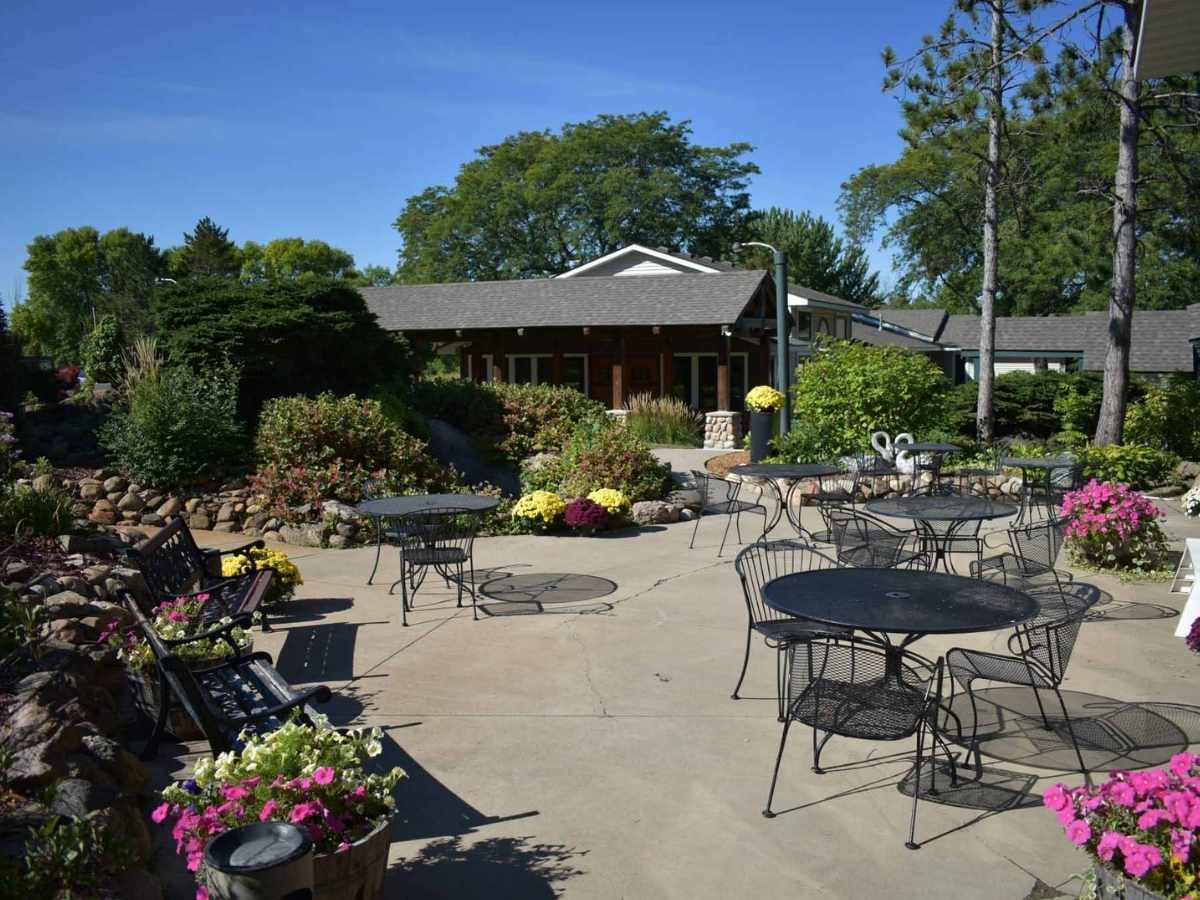
Treatment Options
Explore Our Addiction and Mental Health Therapies
Recovery is rarely built on a single method. These are the addiction and mental health therapies and services available across NorthStar Regional, each explained in depth, and your comprehensive assessment determines the combination your treatment plan starts with.
Who's behind the work
About NorthStar Regional
NorthStar Regional is Minnesota’s treatment system built around access: alcohol and drug treatment centers and mental health care across multiple Twin Cities metro locations. Founded in 2015, we provide one connected continuum: detox (withdrawal management), residential, outpatient, mental health, and a sober housing pathway. Separate men’s and women’s campuses, co-occurring care at designated programs, and no faith requirement set us apart. We accept Medical Assistance (Medicaid) and most major insurers, and if you are uninsured, our admissions team helps you through enrollment. A person can walk in with nothing and leave with everything they need to build a life.
Paying for Care
Insurance and Payment Options
Our team helps review your benefits and handles the paperwork with you. If you have no insurance, we help walk you through enrolling for benefits. County case managers, probation officers, hospitals, and crisis teams send clients to us because, in their words, we just get it done.

Insurance and State Funding
Commercial plans, Medical Assistance (Medicaid), county placements, and private pay. We verify benefits and handle the paperwork with you.
We Are Here to Help
We help review your benefits, find your right starting point, and schedule you for the same day or the next whenever possible. Then we pick you up anywhere in the Twin Cities metro.


How Admission Works
What Happens From Your First Call to Your First Night
You did the hard part when you picked up the phone. Here is exactly what happens next, so nothing about day one is a mystery.
You Call and a Real Person Answers
A real person answers, usually within seconds, and asks one short question: substance use, or mental health? There is no phone tree, and you don’t have to tell your life story. We ask only what we need and handle the rest.
We Help with the Details
Our team helps review your benefits, and a short screening covers withdrawal risk, medical needs, and mental health, so you land at the right level of care. Then we schedule you, same day or next day whenever possible.
We Pick You Up
You get reminder calls and texts before pickup. For residential, your admissions coordinator and your driver also call you together, so you know who’s coming, what car to look for, and when to expect them. Many of our drivers are in long-term recovery themselves, and yours will help with your bags.
A Real Person Meets You When You Arrive
Your driver walks you inside and introduces you by name to the team member waiting for you. Your intake team completes your application with you. If you’re hungry, there’s a meal waiting. From there, treatment starts, and we help take care of the logistics along the way.

“The client has done the hard work by picking up the phone. We will carry them the rest of the way.”
Sarah Roy, Executive Vice President
Reviews from Google
Why Clients Choose NorthStar Regional
Don’t just take our word for it. Here is what alumni say about their time in treatment.
Keep reading
Related Articles and Resources


Resources
Before You Call
How admissions works, guides for families, and the forms you can complete early. More resources are linked throughout the site, or contact admissions and we’ll send anything by email.
Questions we hear every day
Common Questions About Our Addiction Therapy
How do you decide which therapies I get?
Your comprehensive assessment builds the starting mix. Then your counselor rebuilds it with you as treatment goes on. The program fits the person, never the other way around.
What are the most effective therapies for addiction, and are they evidence based?
For most people, the therapies that work best are the behavioral ones, for substance use and mental health alike. CBT, DBT, EMDR, and family therapy are among the most studied in the field. They anchor our addiction therapy, with medical care and peer support beside them. When research moves, our therapists move with it.
Do the same therapies treat addiction and mental health?
Yes, the same therapies treat both. The same things drive substance use disorders, depression, and anxiety: repeated negative thoughts, intense emotions, trauma, and family patterns. So addiction therapy and mental health therapy treat both at once, in one plan. The National Alliance on Mental Illness makes the same case. Treat the whole person, not just one diagnosis.
What do the principles of effective treatment look like here?
The National Institute on Drug Abuse publishes them, and we run on them. No single treatment is right for every person, staying long enough matters, and therapy plus medication beats either alone for some disorders. Plans get revisited all the time, and effective treatment changes as the person changes. The most effective therapies are the ones you will really practice.
Does relapse mean the therapy failed?
No. Addiction is a chronic condition. A relapse means the plan needs adjusting, the same way a blood pressure spike means a medicine dose gets a second look. People change behaviors through practice, not through shame. Relapse prevention is a skill set we teach directly. Lasting recovery is usually built by people who stumbled at least once and came back to the work with support.
How do I help a loved one who doesn't want addiction therapy?
You can’t argue someone into being ready, but you’re not powerless either. Family therapy and our family programming support the people around them, which is often what shifts first. Call us, because our admissions team talks each day with families worried about a drug, alcohol, or other substance problem. Our guides for families were written for just this moment.
Is 12-step required at NorthStar Regional?
No. Twelve-step is offered, SMART Recovery is offered, peer-led options are offered, and none is required. Your higher power is yours to define, and there are many paths to recovery here.
Can I get these therapies without joining a program?
Several, yes. Individual therapy, EMDR, and family work are offered through our outpatient mental health services. You do not need a substance use diagnosis. Treatment for substance use disorders itself scales from an hour a week to residential care.
Will insurance cover therapy?
Coverage depends on your plan, the service, eligibility, and authorization requirements. Our team helps review your benefits and available payment options. Benefits verification is not a guarantee of payment.
Admissions
Make the First Call and We'll Take It from There
Confidential, no obligation, and answered by someone who knows what you’re facing and cares to listen.