

Adjustment Disorder Treatment in Minnesota
When a divorce, a layoff, or a death will not stop echoing, NorthStar Regional provides adjustment disorder treatment in Minnesota. Adjustment disorder is a normal reaction that lasts too long. Treatment is usually short-term counseling at our Shakopee clinic or by telehealth, with CBT for the thoughts the change left behind. We treat adults early because, left alone, low mood can settle into depression and nightly drinking can become dependence. We accept Medical Assistance (Medicaid) and most major insurers, and every level of care stands behind the counseling if needed.
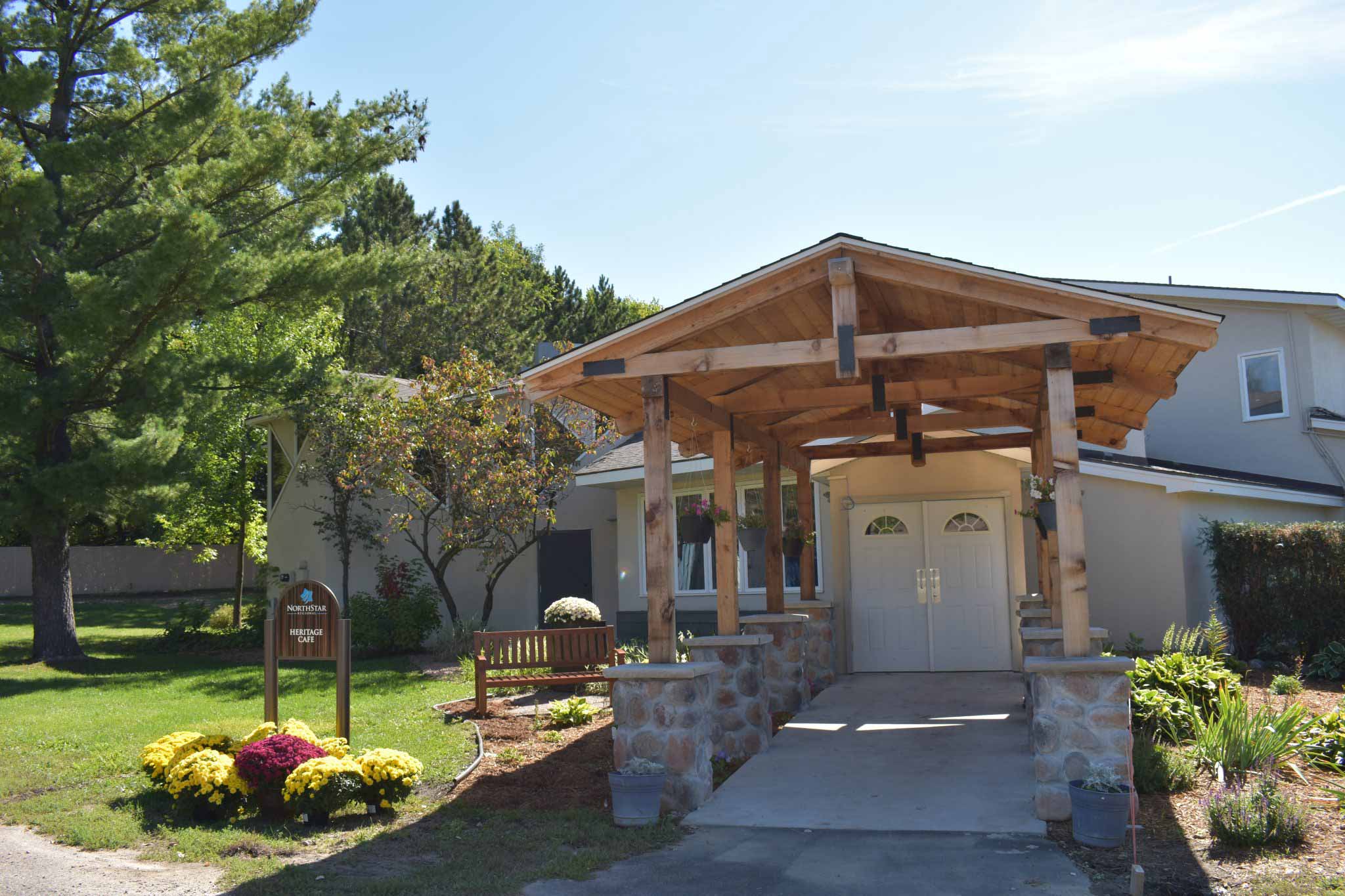
Adjustment disorder care at a glance
Outpatient Mental Health
Short-term counseling at our outpatient clinic in Shakopee. Or by telehealth, which means video or phone sessions.
Intensive Outpatient
Structured support when the change hit harder, in person or virtual.
Inpatient Rehabilitation
Full care where the coping became its own condition.
Licensed Treatment Programs

Founded 2015
Addiction and mental health care in one system

Multiple Campuses
Across the Twin Cities metro

MN Department of Health: Licensed
MN Department of Human Services: Licensed
Understanding adjustment disorder
What Adjustment Disorder Is
Adjustment disorder is a normal reaction that has lasted too long. Life changes are supposed to upset you for a while. Grief, stress, and feeling lost after a divorce, a layoff, a diagnosis, a move, or a loss are healthy responses. Adjustment disorder is when the reaction is bigger than the event. Symptoms are bigger than expected and last longer than expected. They get in the way of work, sleep, and relationships months after the change, and they do not ease on their own.
Why treat something that sounds mild? Because adjustment disorder can go two ways. Treated early, it often responds well to short-term counseling. Left alone, it is a common path to bigger problems: the low mood settles into depression, the worry spreads into anxiety, and the wine that got you through the first months becomes a requirement. We treat it early so you never need the more serious treatment described elsewhere on this site.

What It Looks Like
Signs and Symptoms of Adjustment Disorder
The line between normal adjusting and needing help, in practical terms.
The Event Has a Shadow
Since the divorce, the diagnosis, the layoff, the move: everyone around you can point to when you changed, and so can you.
It's Not Lifting on Schedule
Three months out, six months out, and the fog is the same or thicker. Normal adjustment trends upward; this isn’t.
Function Is Fraying
Deadlines slipping, calls unreturned, the household running on minimum. The change is now costing things beyond itself.
The Worry or the Weight Moved In
Anxiety about everything the event touched, or a low mood that colors the rest. Not yet a full disorder, and trending toward one.
The Coping Is Chemical
The nightly glass that became two, the sleep aid you can’t skip. Coping that depends on a substance won’t hold for long.
You Keep Saying You're Fine
And performing it well. But “fine” that requires this much effort, this many months in, is the sign it’s time for actual support.
You don’t need to check every box, and a page can’t diagnose you. If several of these sound familiar, a comprehensive assessment gives you a clear answer. No established diagnosis is needed to contact NorthStar Regional for mental health care, and our outpatient clinic in Shakopee sees anyone. Reading this for someone you love? Start with our guide for parents or our guide for spouses and partners.
Why Early Treatment for Adjustment Disorder Matters
Treating it early can keep low mood from turning into depression. It can also keep nightly drinking from turning into dependence. One assessment sorts it out, and treatment is most often the shortest on this site.
For Addiction
Every substance we treat is explained on its own page, from the first assessment through sober living.
For Mental Health
At designated NorthStar Regional programs, these conditions are treated together with addiction as co-occurring care, in one plan. Standalone mental health treatment, no substance use diagnosis needed, is available through our outpatient clinic in Shakopee.

How We Treat It
How NorthStar Regional Treats Adjustment Disorder
Most often with short-term outpatient counseling, at our outpatient clinic in Shakopee or by telehealth. It focuses on the change itself and your reaction to it. The work is hands-on. You work through what was lost and rebuild the routines the event knocked over. CBT handles the thoughts the change left behind. We also watch the coping that has crept in, like drinking or pulling away from people. The goal is to catch it before it becomes its own diagnosis.
Sometimes a life change is what finally reveals a longer-standing depression, anxiety, or drinking pattern. If the assessment finds more underneath, each level of care at NorthStar Regional stands behind the counseling. That means intensive outpatient, co-occurring treatment, and residential care when substance use is also involved. Many people with adjustment disorder never need any of it, and getting seen early is how it tends to stay that way.
Am I ready?
Signs You're Ready for Adjustment Disorder Treatment
Here is how to tell.
Are You Getting Better Or Not?
Getting better each month, even slowly, is normal adjustment. Flat or worse after three months is the signal. That is enough reason for one appointment.
Your Coping Habits Are Getting Worse
Has your drinking, spending, or time alone gone up since the event? Act now, while it is still a coping habit and not yet a condition.
One Conversation Settles It
For adjustment disorder, the assessment often leads straight to a simple plan: short-term counseling for a few months, and done. The sooner it starts, the shorter it is.
Here is how admissions works, and the assessment that turns “maybe” into a plan.
Where you can get help
Treated Across NorthStar Regional Locations
You don’t have to find the one building that treats this. Co-occurring addiction and mental health care is available at designated programs, and standalone mental health care is available at our outpatient clinic in Shakopee. Your comprehensive assessment matches you to the right campus and level of care.
Medical detox + men’s care
Withdrawal Management Center | Eden Prairie
Where most people start: our only campus with medical detox, with nurses on site 24 hours a day.
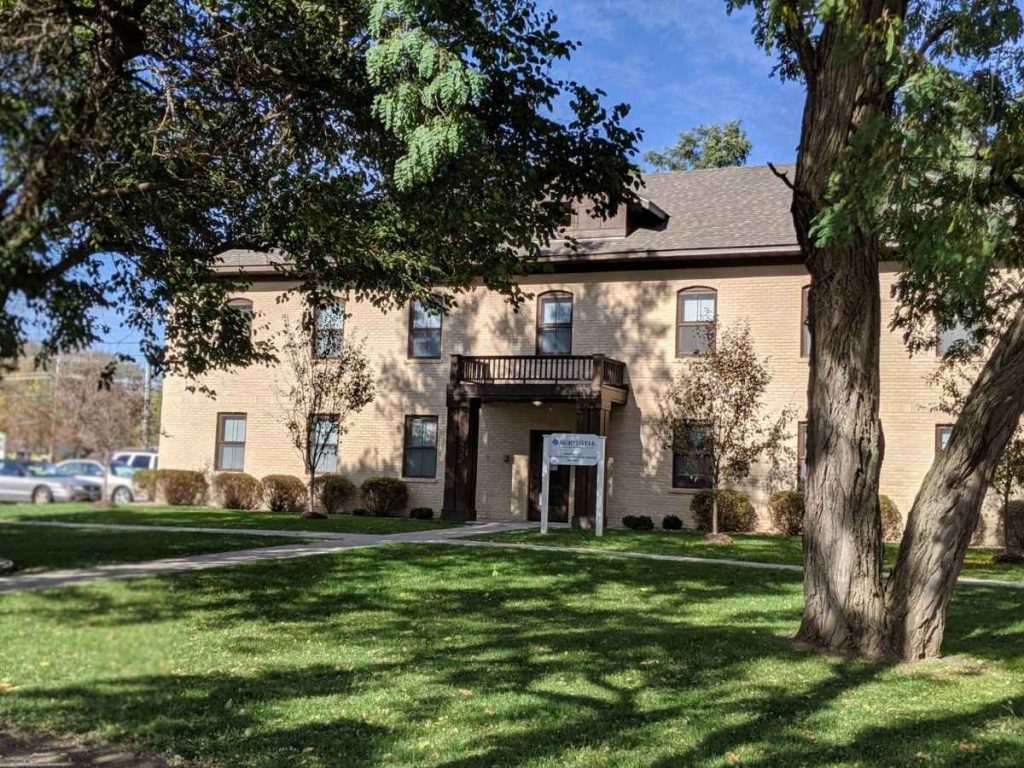
Men’s IOP with lodging
Men's Treatment Center | Chaska
Intensive outpatient therapy with a place to stay, so you can start recovery before you have housing lined up.
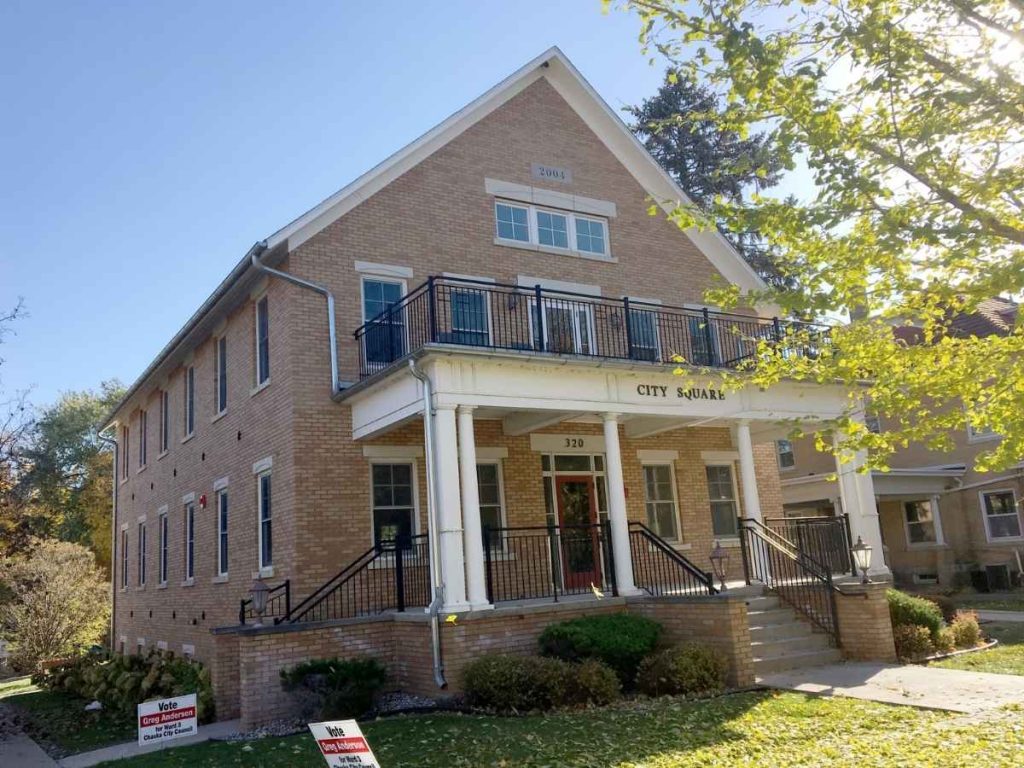
Women’s campus
Women's Treatment Center | Chaska
A fully separate women’s campus in downtown Chaska. The Klein Mansion lets women move from residential into IOP with lodging.

Men’s residential
Men's Treatment Center | Otsego
32 wooded acres on the river, with outdoor groups and a gym, serving the northwest metro.
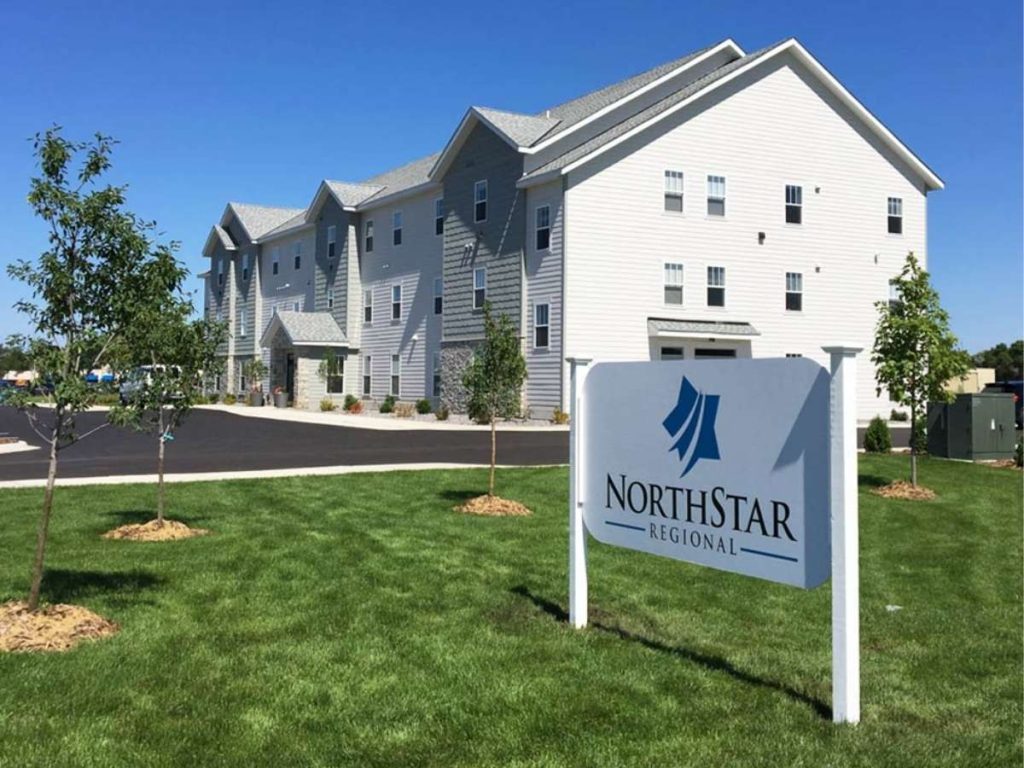
Men’s residential
Men's Treatment Center | Shakopee
A home on a residential street, not a hospital wing, minutes from our outpatient center.
Outpatient clinic
Outpatient Mental Health Clinic | Shakopee
Counseling, assessments, and standalone mental health care, in person or by telehealth. No established diagnosis needed to contact us.
Where treatment happens
The Programs That Treat Adjustment Disorder
Usually the lightest touch on this site, with everything behind it if needed.
Most common
Outpatient Mental Health
Short-term counseling at our outpatient clinic in Shakopee. Or by telehealth, which means video or phone sessions.
If more fits
Intensive Outpatient
Structured support when the change hit harder, in person or virtual.
If substances crept in
Inpatient Rehabilitation
Full care where the coping became its own condition.
Who's behind the work
About NorthStar Regional
NorthStar Regional is Minnesota’s treatment system built around access: alcohol and drug treatment centers and mental health care across multiple Twin Cities metro locations. Founded in 2015, we provide one connected continuum: detox (withdrawal management), residential, outpatient, mental health, and a sober housing pathway. Separate men’s and women’s campuses, co-occurring care at designated programs, and no faith requirement set us apart. We accept Medical Assistance (Medicaid) and most major insurers, and if you are uninsured, our admissions team helps you through enrollment. A person can walk in with nothing and leave with everything they need to build a life.
Paying for Care
Insurance and Payment Options
Our team helps review your benefits and handles the paperwork with you. If you have no insurance, we help walk you through enrolling for benefits. County case managers, probation officers, hospitals, and crisis teams send clients to us because, in their words, we just get it done.

Insurance and State Funding
Commercial plans, Medical Assistance (Medicaid), county placements, and private pay. We verify benefits and handle the paperwork with you.
We Are Here to Help
We help review your benefits, find your right starting point, and schedule you for the same day or the next whenever possible. Then we pick you up anywhere in the Twin Cities metro.


How Admission Works
What Happens From Your First Call to Your First Night
You did the hard part when you picked up the phone. Here is exactly what happens next, so nothing about day one is a mystery.
You Call and a Real Person Answers
A real person answers, usually within seconds, and asks one short question: substance use, or mental health? There is no phone tree, and you don’t have to tell your life story. We ask only what we need and handle the rest.
We Help with the Details
Our team helps review your benefits, and a short screening covers withdrawal risk, medical needs, and mental health, so you land at the right level of care. Then we schedule you, same day or next day whenever possible.
We Pick You Up
You get reminder calls and texts. Before pickup, your admissions coordinator and your driver call you together, so you know the name, the car, and the timing before it’s in your driveway. In the car: water, Gatorade, snacks, and a bagged lunch. Your driver, most often someone in long-term recovery, helps with your bags.
A Real Person Meets You When You Arrive
Your driver walks you inside and hands you off by name to the team member waiting for you. Your intake team completes your application with you. If you’re hungry, there’s a meal waiting. Treatment starts, and you never carried the logistics.
“The client has done the hard work by picking up the phone. We will carry them the rest of the way.”
Sarah Roy, Executive Vice President
Reviews from Google
Why Clients Choose NorthStar Regional
Don’t just take our word for it. Here is what alumni say about their time in treatment.
Keep reading
Related Articles and Resources


Resources
Before You Call
How admissions works, guides for families, and the forms you can complete early. More resources are linked throughout the site, or contact admissions and we’ll send anything by email.
Questions we hear every day
Common Questions About Adjustment Disorder
What is adjustment disorder in plain terms?
A reaction to a major life change that is bigger or lasts longer than expected and is interfering with your life. It is common, real, and very treatable.
How is it different from depression or anxiety?
Adjustment disorder is tied to a clear event, and it most often clears up with short-term treatment. Depression and anxiety, by contrast, stand on their own. Untreated adjustment disorder is a common path to both, which is why catching it early matters.
How long does treatment take?
Often the shortest course we offer: weeks to a few months of outpatient counseling, matched to the change and your reaction. The earlier it starts, the shorter it tends to run.
What kinds of events cause it?
Any change big enough to reshape a life. Divorce and breakups, job loss, a diagnosis, a move, retirement, a death. Even good changes, like a new baby. The event’s size on paper matters less than its size in your life.
I've been drinking more since it happened. Is that part of this?
Often, yes. Substances are the most common unhealthy way of coping with adjustment disorder. Catching the pattern now, while it is still coping and not yet dependence, is the best possible timing, and we treat both.
Does insurance cover adjustment disorder treatment?
Coverage depends on your plan, the service, eligibility, and authorization requirements. Our team helps review your benefits and available payment options. Benefits verification is not a guarantee of payment.
Admissions
Make the First Call and We'll Take It from There
Confidential, no obligation, and answered by someone who knows what you’re facing and cares to listen.