
ADHD Treatment in Minnesota
Adult ADHD treatment in Minnesota at NorthStar Regional focuses on where ADHD and substance use meet. Our care builds skills and structure: therapy for executive function and routines that hold. Untreated ADHD raises the risk of substance problems, so when a substance became the coping plan, we treat both together. Treatment runs at our Shakopee clinic, by telehealth, and in residential programs when the two are tangled. We accept Medical Assistance (Medicaid) and most major insurers, and a lifetime of “why can’t I just” is often architecture, not character.
ADHD care at a glance
Outpatient Mental Health
Therapy focused on ADHD. Come to our outpatient clinic in Shakopee, or use telehealth.
Intensive Outpatient
Several structured sessions each week, in person or online.
Inpatient Rehabilitation
Residential care where ADHD and substance use are tangled together.
Licensed Treatment Programs

Founded 2015
Addiction and mental health care in one system

Multiple Campuses
Across the Twin Cities metro

MN Department of Health: Licensed
MN Department of Human Services: Licensed
Understanding adult ADHD
Adult ADHD Is Real, And It’s Treatable
Adult ADHD is a difference in how the brain’s executive functions work. Those are the systems that start tasks, hold attention, manage time, and control impulses, and they run differently. It can look like a pattern of almost finishing things. Projects stop at ninety percent, and bills get paid late with money in the account. You do very well at interesting tasks but cannot start boring ones. All the while, there is a running inner voice of “why can’t I just”. By adulthood, many people have absorbed the false explanation that they’re lazy or broken. They’re neither.
The substance connection is the part we treat most. Research suggests untreated ADHD raises the risk of substance use problems, because people self-medicate the restlessness. Stimulant users turn to alcohol to come down, and bored people reach for anything that makes an ordinary day interesting. Impulsive people say yes before they have thought it through. Treating the substance use without addressing the ADHD underneath sets people up to fail. So we address both, in one plan.

What It Looks Like
Signs and Symptoms of Adult ADHD
Adult ADHD looks different from the childhood stereotype. Here is how it shows up in adults.
Starting Is the Hardest Part
Tasks that take ten minutes stay undone for weeks because you can’t get started, even though you’re not lazy. Then deadline panic gets it all done in one night.
You Lose Track Of Time
You’re often late even when you’re really trying, you lose hours to hyperfocus, and you can never quite trust your calendar. This is called time blindness. It’s an ADHD symptom, and it doesn’t mean you don’t care.
The Boring Is Unbearable
You can focus fully on things that interest you, but routine tasks feel almost physically painful. People may call you “inconsistent” at work or at home, when the real cause is how your brain works.
Impulse Makes The Decision
You make purchases, say things, take on commitments, or use substances before you’ve had time to think them through.
The Mind Won't Idle
You feel a restlessness that never fully goes away, as if several thoughts are running at once. Many adults realize this is why silence feels unbearable and why a drink once felt like relief.
Substances Became The Fix
Maybe alcohol eased the restlessness, cannabis quieted racing thoughts, or something made boring tasks bearable. When substances have become how you manage ADHD, both need to be treated in one plan.
You don’t need to check every box, and a page can’t diagnose you. If several of these sound familiar, a comprehensive assessment gives you a clear answer. Mental health care at NorthStar Regional is open to you, with no established diagnosis needed to contact us, and our outpatient clinic in Shakopee serves adults. Reading this for someone you love? Start with our guide for parents or our guide for spouses and partners.
Treating ADHD and Substance Use Together
Untreated ADHD and addiction feed each other again and again. Treating one while ignoring the other is a plan to fail. Our assessment sorts out which is restlessness and which is craving. Then both get treated together.
For Addiction
Every substance we treat is explained on its own page, from the first assessment through sober living.
For Mental Health
At designated NorthStar Regional programs, these conditions are treated together with addiction as co-occurring care, in one plan. Standalone mental health treatment, no substance use diagnosis needed, is available through our outpatient clinic in Shakopee.

How We Treat It
How NorthStar Regional Treats ADHD
Our ADHD care is built on skills and structure. Therapy targets the executive function gaps directly. That means ways to get started, outside structure that doesn’t rely on willpower, and time and money systems that survive a bad week. CBT works on the shame of a lifetime of unfinished plans. When restlessness and strong emotions run high, DBT-informed skills give you real tools. Structure itself is treatment. The built-in routine of our programs shows many clients what a well-supported week feels like for the first time.
Substance use is very often part of the picture, and when it is, both are treated in the same plan. The addiction work and the ADHD work support each other instead of competing. Medical staff handle questions about ADHD medication case by case, as part of your overall plan, with your substance history in mind. We promise the talk will be careful and personal, and no one will assume anything, in either direction.
Am I ready?
Signs You're Ready for ADHD Treatment
The checkpoints, for a condition that makes starting things the hardest part.
Self-Help Hasn’t Been Enough
Every planner, app, and resolution has stopped working within a month. That is not evidence you’re hopeless. It is evidence you’ve been trying to solve it alone.
Your Coping Plan Involves A Substance
Does your answer to “how do I manage my restlessness” involve a substance? Then that plan needs to be replaced before the problem grows.
You're Reading This Instead of Starting Something
We say this kindly: the fact that you’re here, reading and researching, means part of you is already trying to start. Let one phone call be the task you actually finish.
Here is how admissions works, and the assessment that turns “maybe” into a plan.
Where you can get help
Treated Across NorthStar Regional Locations
You don’t have to find the one building that treats this. Co-occurring addiction and mental health care is available at designated programs, and standalone mental health care is available at our outpatient clinic in Shakopee. Your comprehensive assessment matches you to the right campus and level of care.
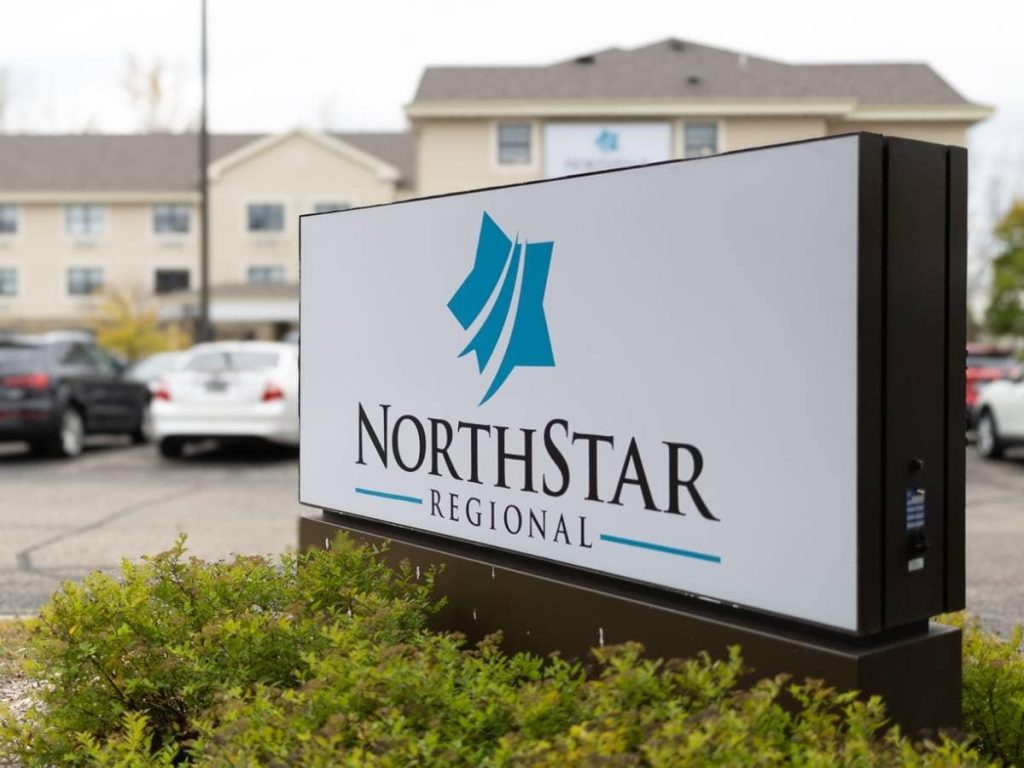
Medical detox + men’s care
Withdrawal Management Center | Eden Prairie
Where most people start: our only campus with medical detox, with nurses on site 24 hours a day.
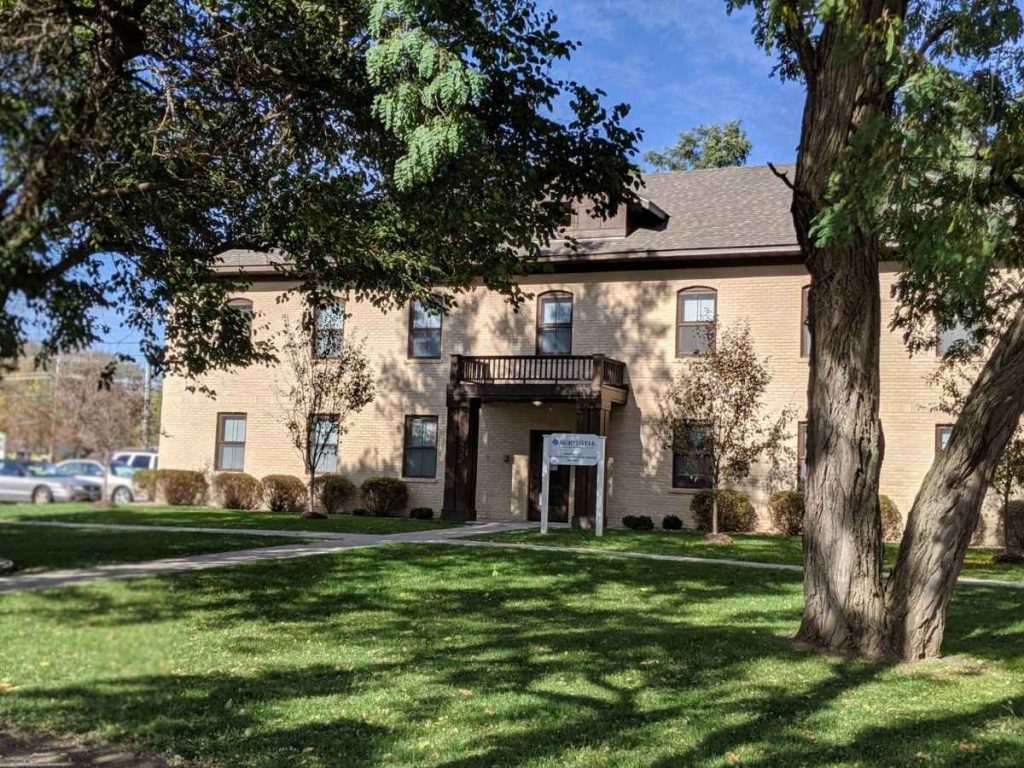
Men’s IOP with lodging
Men's Treatment Center | Chaska
Intensive outpatient therapy with a place to stay, so you can start recovery before you have housing lined up.
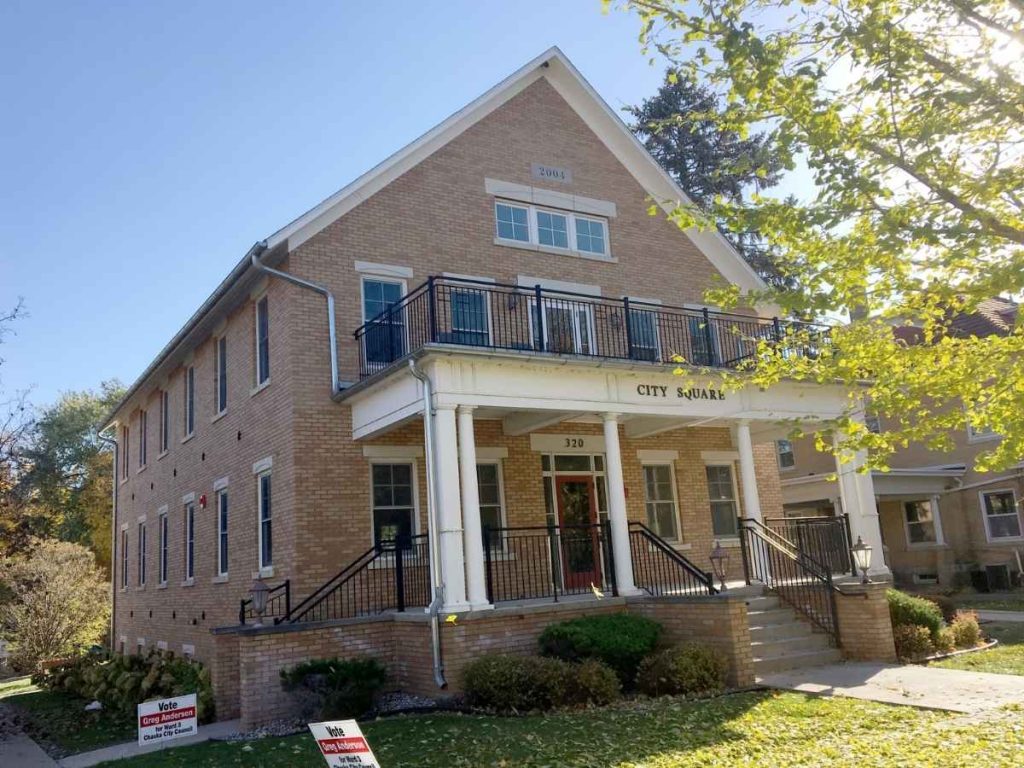
Women’s campus
Women's Treatment Center | Chaska
A fully separate women’s campus in downtown Chaska. The Klein Mansion lets women move from residential into IOP with lodging.
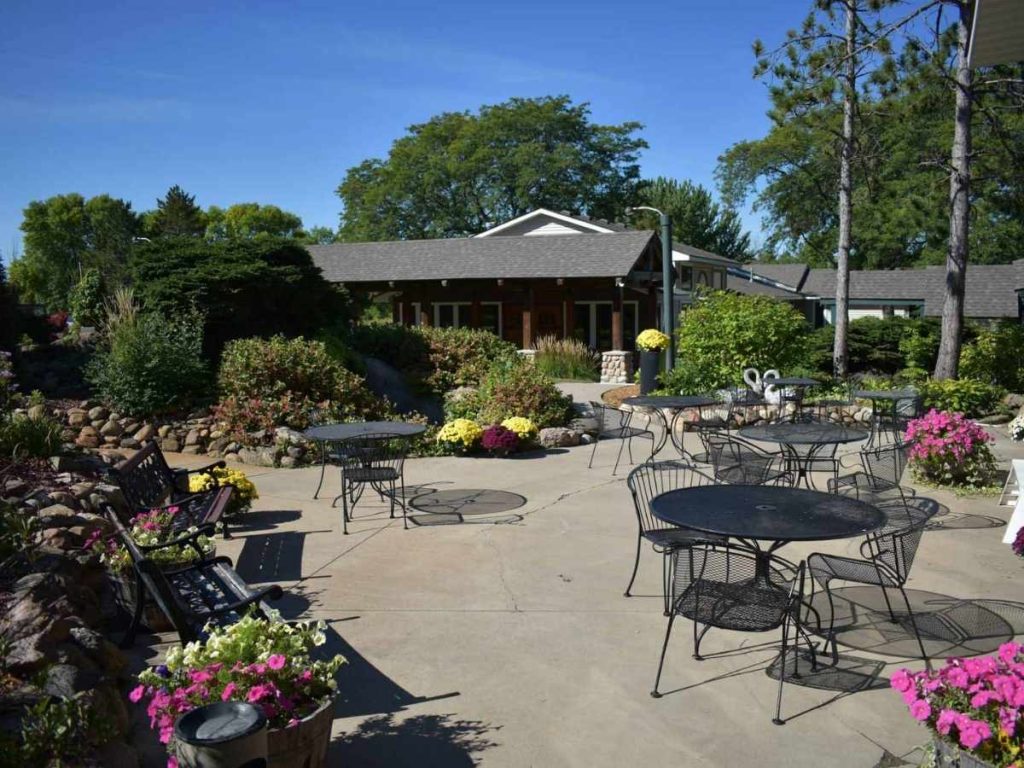
Men’s residential
Men's Treatment Center | Otsego
32 wooded acres on the river, with outdoor groups and a gym, serving the northwest metro.
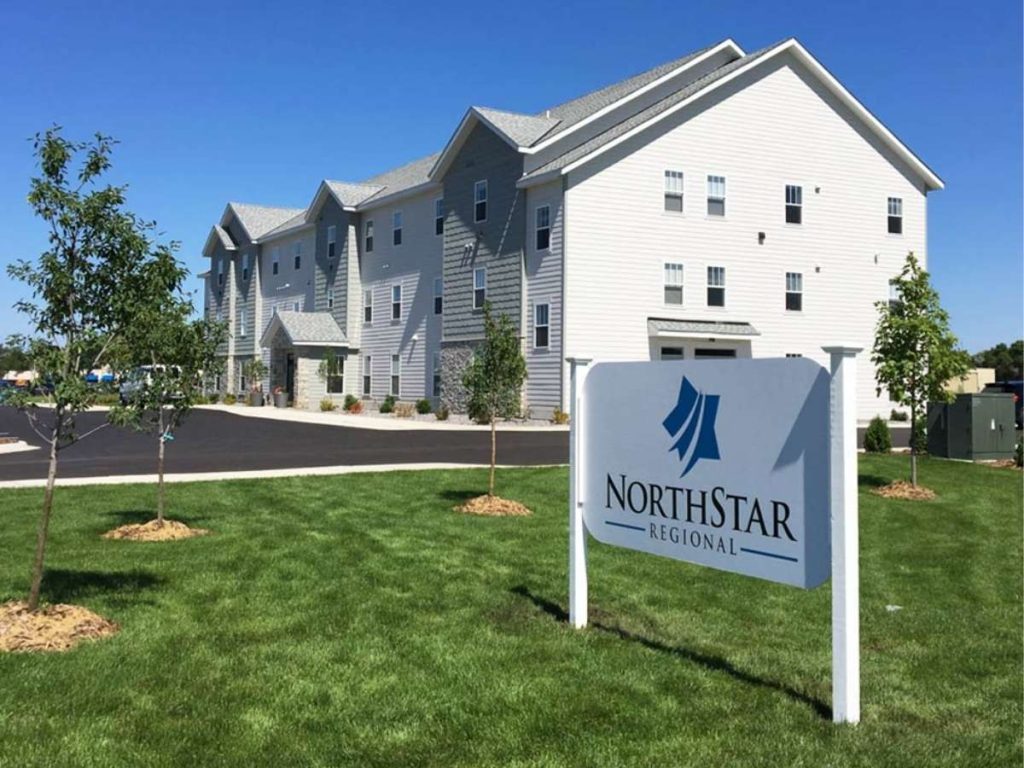
Men’s residential
Men's Treatment Center | Shakopee
A home on a residential street, not a hospital wing, minutes from our outpatient center.
Outpatient clinic
Outpatient Mental Health Clinic | Shakopee
Counseling, assessments, and standalone mental health care, in person or by telehealth. No established diagnosis needed to contact us.
Where treatment happens
The Programs That Treat ADHD
Structured care, matched to how much support you need right now.
Standalone MH
Outpatient Mental Health
Therapy focused on ADHD. Come to our outpatient clinic in Shakopee, or use telehealth.
More structure
Intensive Outpatient
Several structured sessions each week, in person or online.
Live-in
Inpatient Rehabilitation
Residential care where ADHD and substance use are tangled together.
Who's behind the work
About NorthStar Regional
NorthStar Regional is Minnesota’s treatment system built around access: alcohol and drug treatment centers and mental health care across multiple Twin Cities metro locations. Founded in 2015, we provide one connected continuum: detox (withdrawal management), residential, outpatient, mental health, and a sober housing pathway. Separate men’s and women’s campuses, co-occurring care at designated programs, and no faith requirement set us apart. We accept Medical Assistance (Medicaid) and most major insurers, and if you are uninsured, our admissions team helps you through enrollment. A person can walk in with nothing and leave with everything they need to build a life.
Paying for Care
Insurance and Payment Options
Our team helps review your benefits and handles the paperwork with you. If you have no insurance, we help walk you through enrolling for benefits. County case managers, probation officers, hospitals, and crisis teams send clients to us because, in their words, we just get it done.

Insurance and State Funding
Commercial plans, Medical Assistance (Medicaid), county placements, and private pay. We verify benefits and handle the paperwork with you.
We Are Here to Help
We help review your benefits, find your right starting point, and schedule you for the same day or the next whenever possible. Then we pick you up anywhere in the Twin Cities metro.


How Admission Works
What Happens From Your First Call to Your First Night
You did the hard part when you picked up the phone. Here is exactly what happens next, so nothing about day one is a mystery.
You Call and a Real Person Answers
A real person answers, usually within seconds, and asks one short question: substance use, or mental health? There is no phone tree, and you don’t have to tell your life story. We ask only what we need and handle the rest.
We Help with the Details
Our team helps review your benefits, and a short screening covers withdrawal risk, medical needs, and mental health, so you land at the right level of care. Then we schedule you, same day or next day whenever possible.
We Pick You Up
You get reminder calls and texts. Before pickup, your admissions coordinator and your driver call you together, so you know the name, the car, and the timing before it’s in your driveway. In the car: water, Gatorade, snacks, and a bagged lunch. Your driver, most often someone in long-term recovery, helps with your bags.
A Real Person Meets You When You Arrive
Your driver walks you inside and hands you off by name to the team member waiting for you. Your intake team completes your application with you. If you’re hungry, there’s a meal waiting. Treatment starts, and you never carried the logistics.
“The client has done the hard work by picking up the phone. We will carry them the rest of the way.”
Sarah Roy, Executive Vice President
Reviews from Google
Why Clients Choose NorthStar Regional
Don’t just take our word for it. Here is what alumni say about their time in treatment.
Keep reading
Related Articles and Resources


Resources
Before You Call
How admissions works, guides for families, and the forms you can complete early. More resources are linked throughout the site, or contact admissions and we’ll send anything by email.
Questions we hear every day
Common Questions About ADHD Treatment
Do you only treat adult ADHD?
Yes. Our comprehensive assessment looks at attention and executive function along with your overall mental health. If more testing is needed, our clinical team can take a closer look.
Why do ADHD and addiction go together so often?
A big reason is that many people with untreated ADHD self-medicate. They use substances to calm restlessness or make boring days more interesting. Acting on impulse also makes it easier to say yes when a substance is offered. Untreated ADHD is linked to a higher risk of substance use, which is why we treat both conditions together.
Can you diagnose ADHD?
Yes. Our comprehensive assessment looks at attention and executive function, along with your overall mental health. If more testing is needed, our clinical team can take a closer look.
What does ADHD treatment look like without medication?
ADHD treatment without medication is practical and hands-on. It includes executive skills coaching, outside structure that doesn’t depend on willpower, CBT to work through shame, and DBT to help with restlessness. You practice routines in a structured setting until they become habits you can keep on your own. If medication questions come up, they’re handled privately with a medical provider as part of your plan.
I use alcohol or cannabis to quiet my head. Which gets treated first?
We treat them at the same time. If you’ve been using a substance to manage ADHD symptoms, stopping without a new way to handle those symptoms often doesn’t last. And ADHD skills work tends to go better once the substance is out of the picture. That’s why you get one plan and one team for both.
Does insurance cover ADHD treatment?
Coverage depends on your plan, the service, eligibility, and authorization requirements. Our team helps review your benefits and available payment options. Benefits verification is not a guarantee of payment.
Admissions
Make the First Call and We'll Take It from There
Confidential, no obligation, and answered by someone who knows what you’re facing and cares to listen.