

Anxiety Treatment in Minnesota
Anxiety is a good alarm wired wrong, and NorthStar Regional is an anxiety treatment center built to retrain that alarm. We treat generalized anxiety, panic disorder, and social anxiety. Outpatient care runs at our Shakopee clinic and by telehealth statewide, using CBT, gradual exposure, and skills that calm the body. When alcohol or benzodiazepines have become the off switch, residential care on our men’s and women’s campuses treats both conditions together. We accept Medical Assistance (Medicaid) and most major insurers, and anxiety disorders are patterns, which means treatment can change them.
Anxiety care at a glance
Medical Detox
When alcohol or benzodiazepines became the way you turned anxiety off, safe medical withdrawal comes first. So does a slow taper that our medical team watches closely. Both happen at our withdrawal management center in Eden Prairie.
Inpatient Rehabilitation
Residential care where anxiety is wired to substance use.
Low-Intensity Residential Treatment
Residential living focused on recovery, when drinking or drug use is part of the picture. You practice new coping skills until they become habits, and you learn to stand on your own again.
Intensive Outpatient
An intensive outpatient program. Several therapy sessions a week, in person or by video. It fits around work and family.
Relapse Prevention
Weekly sessions that watch for early warning signs of both the anxiety and the substance use.
Licensed Treatment Programs

Founded 2015
Addiction and mental health care in one system

Multiple Campuses
Across the Twin Cities metro

MN Department of Health: Licensed
MN Department of Human Services: Licensed
Understanding Anxiety
What Anxiety Disorders Are
Anxiety is the body’s fear response working too hard. That response is meant for rare emergencies. But in an anxiety disorder it gets set off by everyday things like email, highway driving, and quiet Sunday evenings. The body reacts the same way whether the danger is real or not. So the symptoms come every time: racing heart, tight chest, muscle tension, worst-case thinking, and a body that never quite relaxes. Living with that is exhausting in a way people around you can’t see. It wears on physical and mental health alike.
Anxiety grows through avoidance. Every skipped drive, declined invitation, and dodged conversation makes the fear stronger, and the places you can go shrink. Stress and your surroundings load the system. Genetics set some people at higher risk, and traumatic events can keep that fear on high alert for years. Anxiety also often leads to substance use. Alcohol and benzodiazepines reduce anxiety for a few hours and make it worse the next day. That is how anxiety and substance use end up tied together. The good news is that anxiety disorders are patterns. Treatment can change them, and the evidence for that is strong.
Naming the Conditions
Types of Anxiety Disorders We Treat
Anxiety disorders come in named varieties, and the treatment plan changes with the name. Clinicians recognize dozens of anxiety disorders, but a handful cover most cases. These are the most common types adults bring us, and the assessment sorts out which is yours.
Generalized Anxiety Disorder
Constant worry that moves from topic to topic and never stops. Generalized anxiety disorder responds well to cognitive behavioral therapy (CBT) and to skills work. CBT changes unhelpful thought and behavior patterns.
Panic Disorder
Panic attacks that feel like medical emergencies. Then the fear of the next one starts running the calendar. Among anxiety disorders, panic disorder has some of the best treatment results in mental health.
Social Anxiety
Crowded rooms, phone calls, being looked at: anxiety spikes around other people. Gradual exposure, planned with you, helps you get comfortable in those situations again.
Anxiety with Depression or Substance Use
Anxiety rarely shows up alone, and depression often comes with it. Co-occurring disorders form when a person uses a substance to turn the anxiety off. Treating them separately is how both keep going. One plan treats the anxiety and whatever came with it.
Obsessive Compulsive Disorder
Obsessive compulsive disorder is tied to anxiety but not the same. Unwanted thoughts come paired with rituals. The rituals promise relief but make the cycle worse.
What it Looks Like
Signs and Symptoms of Anxiety
Everyone worries. These are the anxiety symptoms that mean the alarm is running the show.
The Body Fires First
Racing heart, tight chest, stomach in knots, before any thought arrives. Anxiety is physical, and the body’s alarm often outruns the mind’s.
The Forecasts Never Stop
A mind that runs through disasters all day: the what-ifs, the worst cases, the 3am replays of nothing in particular. It is exhausting.
Panic Has a Schedule
Attacks that come with a pounding heart and the sure sense that something is wrong with your body. You survive every time, and it is terrifying every time.
The World Is Shrinking
Highways avoided, get-togethers skipped, calls not returned. Each time you avoid something, the fear of it gets stronger. Your world keeps getting smaller.
Sleep Won't Come Down
Tired all day, wide awake at midnight. Anxiety that never turns off keeps you awake no matter how tired you are.
Something Quiets It
A drink to get through the party, a pill to board the plane, and lately more of both. When you need a substance to turn the anxiety off, both problems need one plan.
You don’t need to check every box, and a checklist can’t diagnose you. If several of these symptoms sound familiar, a comprehensive assessment gives you a clear answer. For mental health care at NorthStar Regional, no established diagnosis is needed to contact us. Reading this for someone you love? Start with our guide for parents or our guide for spouses and partners.
Treating Anxiety and Substance Use Together
Alcohol and benzodiazepines are the two most common ways people self-medicate anxiety, and both make it worse over time. Understanding that cycle is the first step in breaking it. At NorthStar Regional, the anxiety and the substance use are treated in one plan, by one team. Depression, other mood disorders, and anxiety disorders respond to the same structure. Families often watch this cycle from the outside and blame themselves. Don’t. Explore both sides below, with each condition and substance explained in depth.
Mental Health Treatment by Condition
Addiction Treatment by Substance
How We Treat It
How Our Anxiety Treatment Works
An anxiety center earns the name by matching treatment options to reality and treating anxiety disorders at the intensity they demand. Outpatient anxiety care runs through our outpatient clinic in Shakopee and by telehealth: weekly cognitive behavioral therapy, panic protocols, and skills work, no substance use diagnosis needed, with outpatient services and support that fit around adults’ jobs and families. When anxiety has outgrown weekly care and a substance has become the off switch, residential care puts a steady container around the retraining.
The clinical core is evidence based treatment, meaning care proven by research, with the strongest record in behavioral health. Cognitive behavioral therapy catches and tests worst-case thoughts. Gradual exposure helps you return to the things you avoided, one step at a time. DBT distress tolerance and emotion regulation help when feelings hit all at once. EMDR helps where trauma caused the anxiety. Physical work matters too, because anxiety affects the body, not just your thoughts. That means breathing, movement, sleep, and cutting your stress load on purpose. Where alcohol or benzodiazepines are involved, the medical side is handled safely, including supervised medication tapers. Medication management runs through our medical partner where it fits.
Why We Mix Individual and Group Therapy
Individual therapy goes deep on your specific anxiety, while group therapy shows you that you’re not the only one who feels this. Coping skills stick better when you practice them with support around you. Most plans blend individual and group therapy. In either format, talk therapy often works better than trying to get through it alone on willpower.
Personalized Care from a Multidisciplinary Team
No two people’s anxiety looks alike. So personalized care is the whole method at this anxiety center. A multidisciplinary team of counselors, mental health specialists, and medical staff who handle medication questions builds your anxiety treatment plan around your needs, your history, and your goals. The plan is adjusted as you make progress, with support between sessions. One team adjusting one plan is what makes treatment work.
Am I ready?
Ready to Start the Healing Journey?
The alarm always says “not yet.” Here is how to tell.
Your Map Has Shrunk
Count the places you’ve given up this year. When you keep avoiding more places, the anxiety is getting worse, and it won’t get better on its own.
The Off Switch Is Chemical
If a drink or a pill is how you get into rooms, onto planes, or to sleep, the anxiety has already created a second problem. Treat them together, now, while it is early.
You're Managing, Not Living
Getting through every day by force is chronic stress, even if you look calm. It counts as suffering even when nothing looks wrong from the outside. Being worn out from holding it together is reason enough to seek treatment.
You don’t have to wait until you feel ready. Make the call while you are willing. Here is how admissions works, and how the assessment gives you a clear plan for getting your life back.
Where you can get help
Treated Across NorthStar Regional Locations
You don’t have to find the one anxiety center in the Twin Cities. Co-occurring addiction and mental health care is available at designated programs. Standalone mental health care is at our outpatient clinic in Shakopee. Your comprehensive assessment matches you to the right campus and level of care. Families drive in from greater Minnesota and western Wisconsin because the right fit matters more than a short drive.
Medical detox + men’s care
Withdrawal Management Center | Eden Prairie
Where most people start: our only campus with medical detox, with nurses on site 24 hours a day.
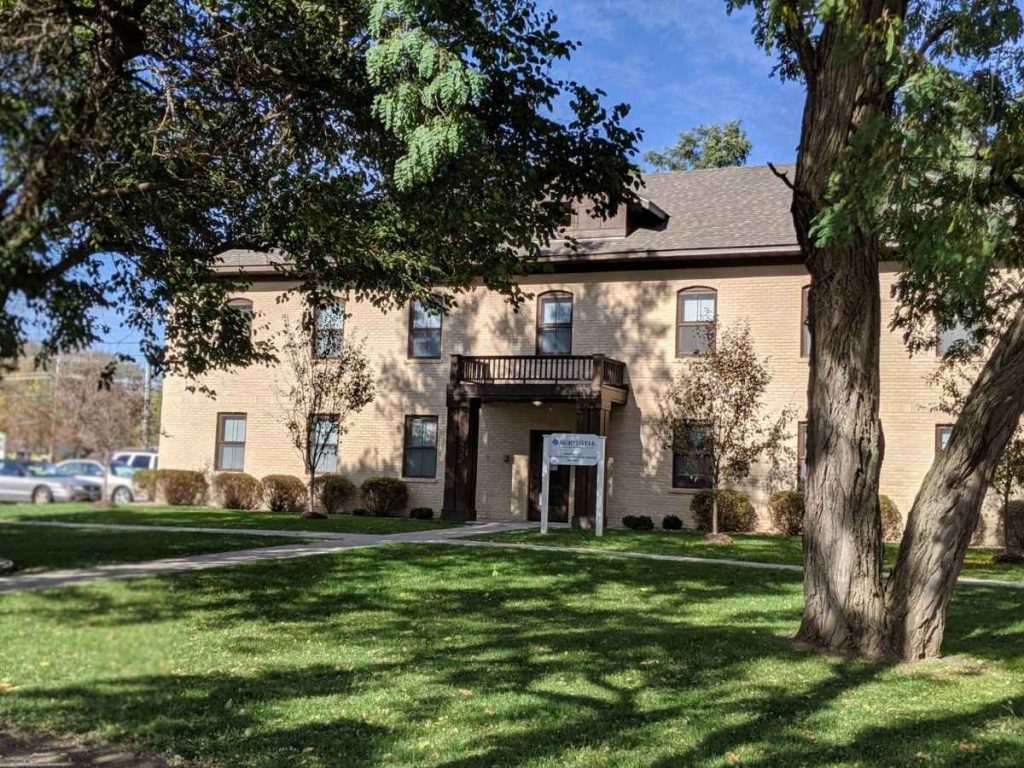
Men’s IOP with lodging
Men's Treatment Center | Chaska
Intensive outpatient therapy with a place to stay, so you can start recovery before you have housing lined up.
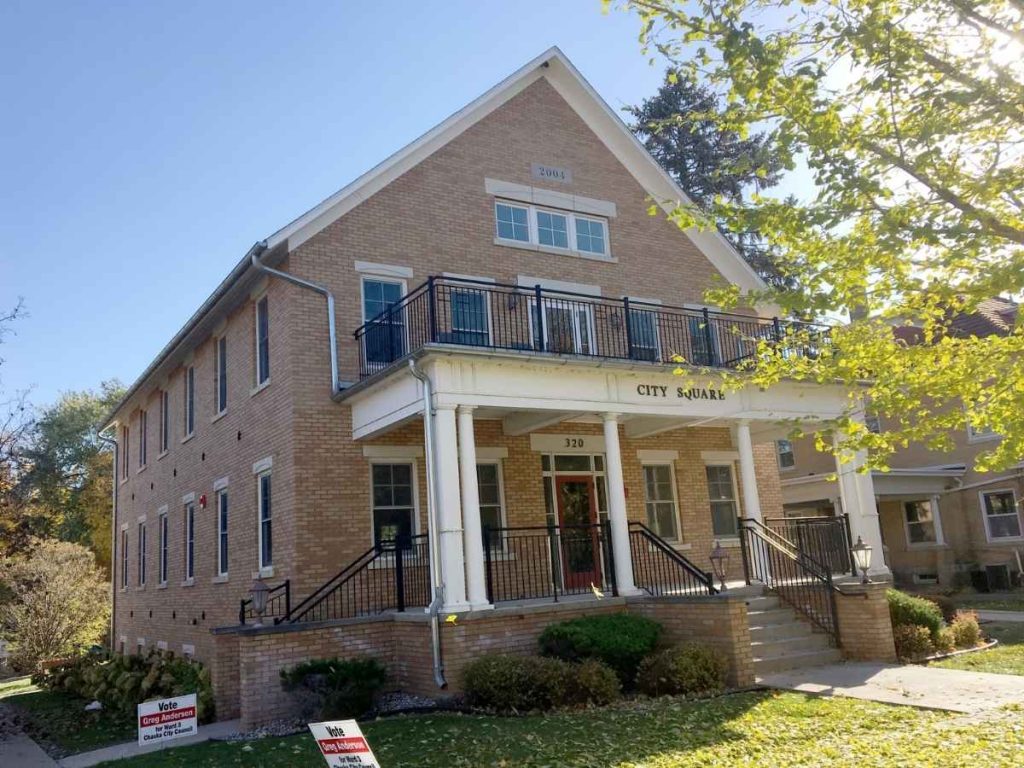
Women’s campus
Women's Treatment Center | Chaska
A fully separate women’s campus in downtown Chaska. The Klein Mansion lets women move from residential into IOP with lodging.
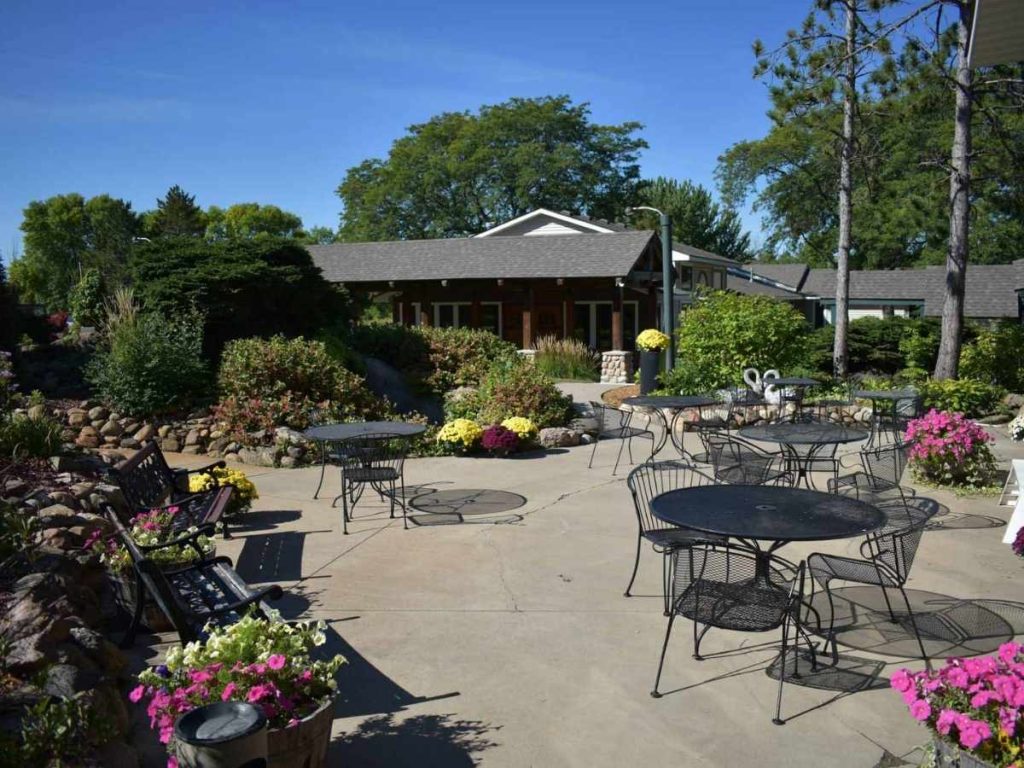
Men’s residential
Men's Treatment Center | Otsego
32 wooded acres on the river, with outdoor groups and a gym, serving the northwest metro.
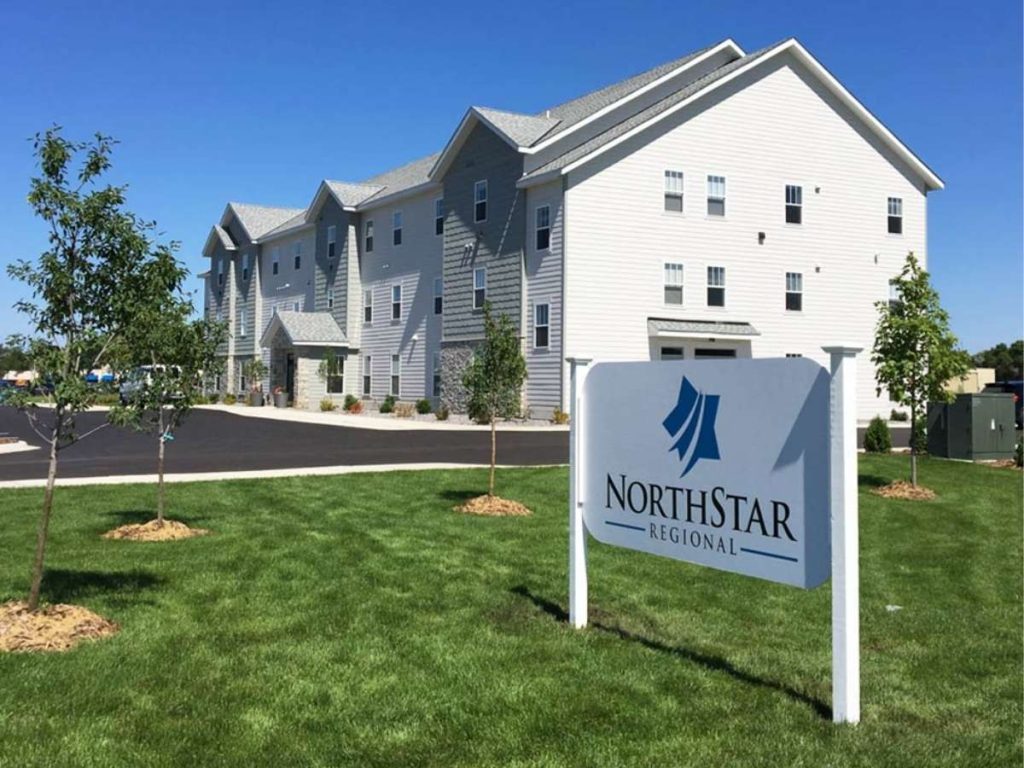
Men’s residential
Men's Treatment Center | Shakopee
A home on a residential street, not a hospital wing, minutes from our outpatient center.
Outpatient clinic
Outpatient Mental Health Clinic | Shakopee
Counseling, assessments, and standalone mental health care, in person or by telehealth. No established diagnosis needed to contact us.
Where treatment happens
The Programs That Treat Anxiety
From an hour a week to a full campus, matched by your assessment.

When substances co-occur
Medical Detox
When alcohol or benzodiazepines became the way you turned anxiety off, safe medical withdrawal comes first. So does a slow taper that our medical team watches closely. Both happen at our withdrawal management center in Eden Prairie.
About 35 to 50 days
Inpatient Rehabilitation
Residential care where anxiety is wired to substance use.
85 to 105 connected days
Low-Intensity Residential Treatment
Residential living focused on recovery, when drinking or drug use is part of the picture. You practice new coping skills until they become habits, and you learn to stand on your own again.

With or without lodging
Intensive Outpatient
An intensive outpatient program. Several therapy sessions a week, in person or by video. It fits around work and family.

6 to 8 months or longer
Relapse Prevention
Weekly sessions that watch for early warning signs of both the anxiety and the substance use.
Ongoing
Outpatient Mental Health
Weekly anxiety therapy sessions. Come to our outpatient clinic in Shakopee. Or meet with us by telehealth from home.
Who's behind the work
About NorthStar Regional
NorthStar Regional is Minnesota’s treatment system built around access: alcohol and drug treatment centers and mental health care across multiple Twin Cities metro locations. Founded in 2015, we provide one connected continuum: detox (withdrawal management), residential, outpatient, mental health, and a sober housing pathway. Separate men’s and women’s campuses, co-occurring care at designated programs, and no faith requirement set us apart. We accept Medical Assistance (Medicaid) and most major insurers, and if you are uninsured, our admissions team helps you through enrollment. A person can walk in with nothing and leave with everything they need to build a life.
Paying for Care
Insurance and Payment Options
Our team helps review your benefits and handles the paperwork with you. If you have no insurance, we help walk you through enrolling for benefits. County case managers, probation officers, hospitals, and crisis teams send clients to us because, in their words, we just get it done.

Insurance and State Funding
Commercial plans, Medical Assistance (Medicaid), county placements, and private pay. We verify benefits and handle the paperwork with you.
We Are Here to Help
We help review your benefits, find your right starting point, and schedule you for the same day or the next whenever possible. Then we pick you up anywhere in the Twin Cities metro.


How Admission Works
What Happens From Your First Call to Your First Night
You did the hard part when you picked up the phone. Here is exactly what happens next, so nothing about day one is a mystery.
You Call and a Real Person Answers
A real person answers, usually within seconds, and asks one short question: substance use, or mental health? There is no phone tree, and you don’t have to tell your life story. We ask only what we need and handle the rest.
We Help with the Details
Our team helps review your benefits, and a short screening covers withdrawal risk, medical needs, and mental health, so you land at the right level of care. Then we schedule you, same day or next day whenever possible.
We Pick You Up
You get reminder calls and texts. Before pickup, your admissions coordinator and your driver call you together, so you know the name, the car, and the timing before it’s in your driveway. In the car: water, Gatorade, snacks, and a bagged lunch. Your driver, most often someone in long-term recovery, helps with your bags.
A Real Person Meets You When You Arrive
Your driver walks you inside and hands you off by name to the team member waiting for you. Your intake team completes your application with you. If you’re hungry, there’s a meal waiting. Treatment starts, and you never carried the logistics.
“The client has done the hard work by picking up the phone. We will carry them the rest of the way.”
Sarah Roy, Executive Vice President
Reviews from Google
Why Clients Choose NorthStar Regional
Don’t just take our word for it. Here is what alumni say about their time in treatment.
Keep reading
Related Articles and Resources


Resources
Before You Call
How admissions works, guides for families, and the forms you can complete early. More resources are linked throughout the site, or contact admissions and we’ll send anything by email.
Questions we hear every day
Common Questions About Anxiety Treatment
What kinds of anxiety do you treat?
Generalized anxiety disorder, panic disorder, social anxiety, and the anxiety that comes with depression, trauma, and substance use. Those cover most of what we see. The assessment sorts out your symptoms, and the plan is built around them.
When does anxiety need residential treatment?
Residential treatment is usually for anxiety that comes with substance use. That means a drink or a pill has become how you shut anxiety off, and weekly appointments aren’t enough to manage both. Residential care is temporary. It gives you a stable place to learn new ways of coping, with support as you move to less intensive care. If you have anxiety without substance use, care starts at our outpatient clinic in Shakopee or by telehealth.
What's the most effective treatment for anxiety?
Cognitive behavioral therapy (CBT) is the most common and best-studied treatment for anxiety. For most anxiety disorders, it’s where we start. We combine it with exposure work and coping skills practice. For some adults, medication management through our medical partner helps alongside talk therapy, but that’s a medical decision made case by case. In the end, the best anxiety treatment is one backed by research that you’ll stick with. The right anxiety center can make that easier.
Do panic attacks mean something is medically wrong?
Usually not. Panic attacks can feel like emergencies, with a pounding heart, trouble breathing, and a sudden sense of disaster, but they aren’t dangerous on their own. Start with a checkup from your primary care provider to rule out other causes. Then treat the panic itself, which usually responds well to therapy, with or without medication. Your primary care provider can refer you to us, but you don’t need a referral.
I've been drinking to manage it. Which do you treat first?
We treat both at the same time. If you stop drinking without treating the anxiety, the anxiety often pulls you back to alcohol. If you treat the anxiety while you’re still drinking, the alcohol can dull the effects of therapy. So you get one plan and one team for both. If benzodiazepines are involved, you’ll taper off them slowly with medical supervision.
Will you make me face my fears all at once?
No. Exposure therapy is gradual, chosen with you, and paced by you: one reclaimed step at a time, with skills in hand before any step is taken. Flooding is not how we work.
Do you treat children or teens with anxiety?
No. Our treatment programs serve adults 18 and older. Anxiety disorders in children respond well to therapy built for children, so your pediatrician or your county’s children’s mental health services are the right first calls. Programs built just for children and teens run across the metro. When parents call us about their children, we point them in the right direction. And if the anxious one turns out to be the parent, we are here for that too.
What if the anxiety has gotten dangerous?
If anxiety has turned toward hopelessness or self harm, treat that as urgent today. Call or text 988 any hour, then call us. Treatment can start the same week as the crisis that revealed the need for it.
How do I help a loved one with severe anxiety?
Don’t try to argue your loved one out of their anxiety. It doesn’t work. Name what you see with care, offer a ride, the phone number, and steady support, and read our guides for parents and partners. Family involvement improves treatment outcomes, but it backfires when it is done clumsily. We coach families through this call every day.
Does insurance cover anxiety treatment?
Coverage depends on your plan, the service, eligibility, and authorization requirements. Our team helps review your benefits and available payment options. Benefits verification is not a guarantee of payment.
Admissions
Make the First Call and We'll Take It from There
Confidential, no obligation, and answered by someone who knows what you’re facing and cares to listen.