
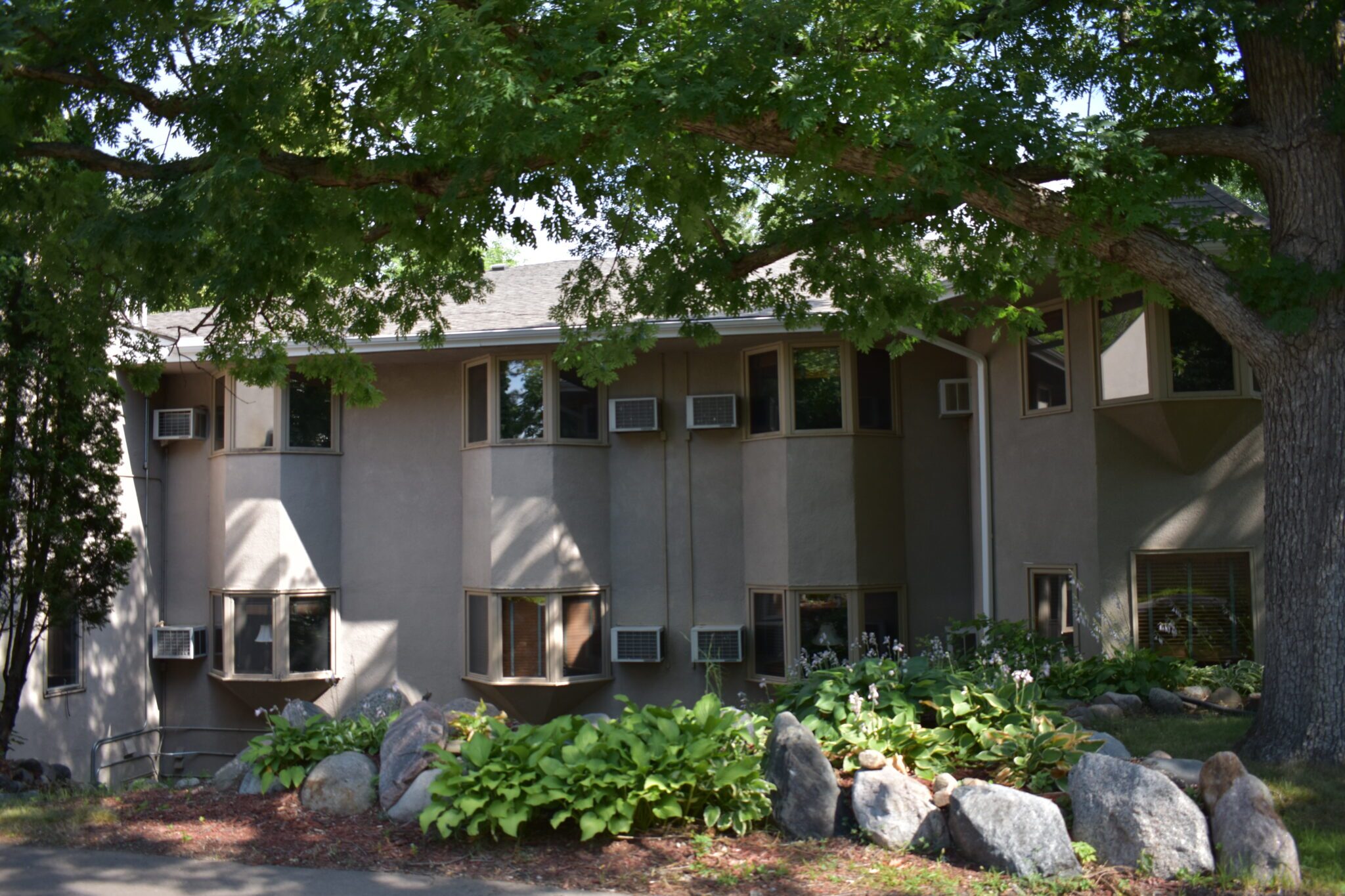
Mental Health Treatment in Minnesota
NorthStar Regional’s mental health treatment centers in Minnesota are built for how these conditions show up: alone, or tied to substance use. We treat depression, anxiety, bipolar disorder, trauma and PTSD, ADHD, attachment disorders, and adjustment disorder. Outpatient care fits when an hour a week is enough, at our Shakopee clinic or by telehealth, no diagnosis required. When mental health and substance use need structure together, residential dual diagnosis care treats both in one plan. We accept Medical Assistance (Medicaid) and most major insurers, serving adults across the Twin Cities metro and, by telehealth, all of Minnesota.
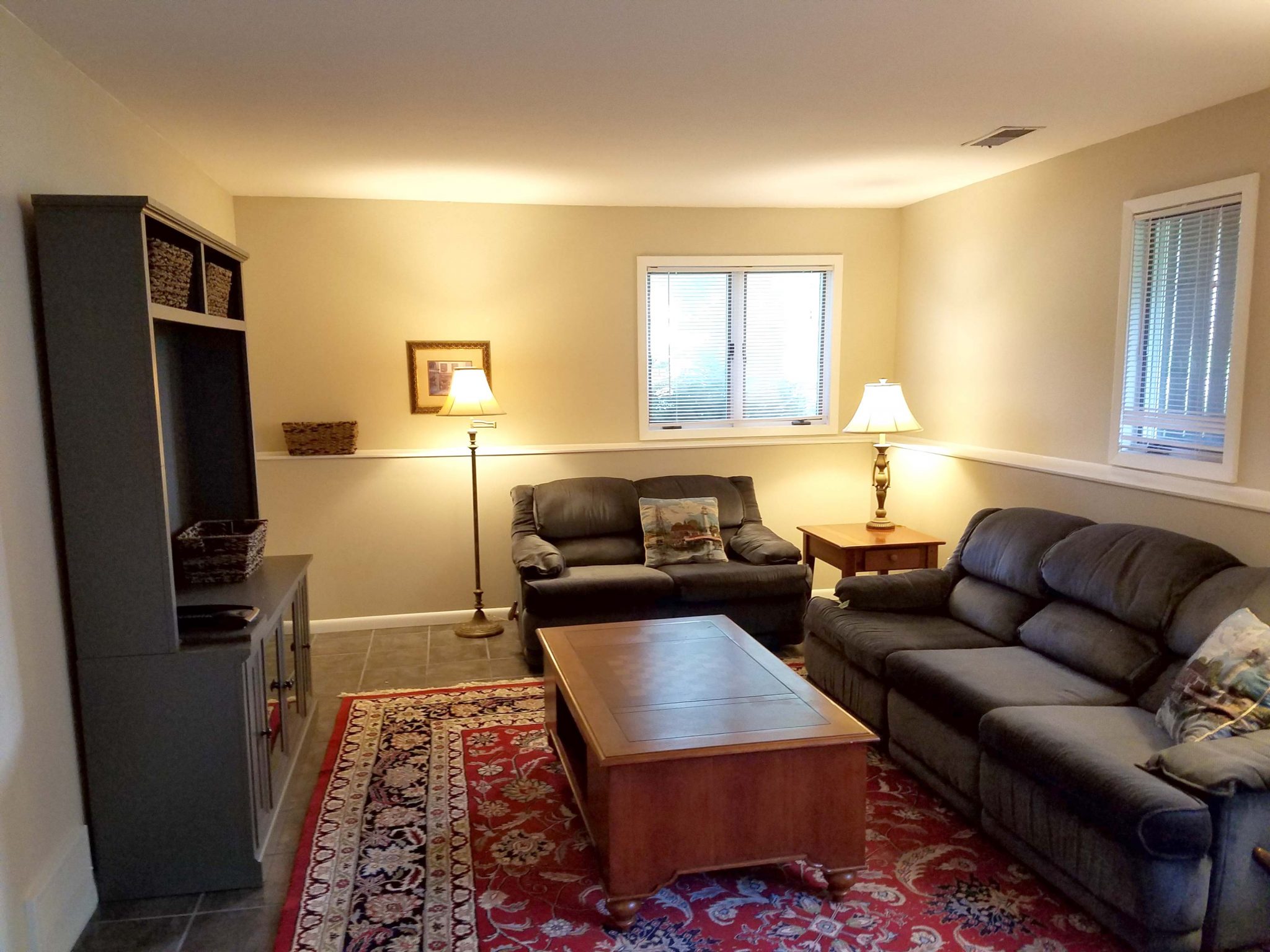
Licensed Treatment Programs

Founded 2015
Addiction and mental health care in one system

Multiple Campuses
Across the Twin Cities metro

MN Department of Health: Licensed
MN Department of Human Services: Licensed
Find what you need
Conditions We Treat
Each condition below is covered in depth. You will find the signs, the big picture, and just how mental health treatment works for it.
Depression
Outpatient care, plus residential care when depression comes with substance use.
Anxiety
Panic, worry, and avoidance: the alarm can be retrained.
Bipolar Disorder
Outpatient care for the highs and the lows, built around routine, plus residential care when bipolar disorder comes with substance use.
Trauma and PTSD
EMDR and trauma-focused care, paced by you, safety first.
ADD and ADHD
Adult ADHD, skills and structure first, with the substance link taken seriously.
The oldest patterns
Attachment Disorders
How early bonds shape adult relationships and addiction, and how both heal.
Adjustment Disorder
When a life change is not resolving on its own: short-term, effective care.
Not sure what this is?
Comprehensive Assessment
One structured conversation that names what’s happening and what would help.
How it Helps
Explore Mental Health and Addiction Treatment
Every condition we treat is explained in depth. Mental health conditions are on one side, substance use on the other, with one system underneath. Referring providers use this as a map, and families can too.
Mental Health Treatment by Condition
Addiction Treatment by Substance
Two ways in
Mental Health Care on Its Own or Alongside Addiction Treatment
There are two ways into mental health care at NorthStar Regional. At designated residential programs, we treat depression, anxiety, bipolar disorder, and PTSD together with substance use. This is co-occurring care. It means one treatment plan, one team, and licensed mental health professionals in those programs. This path is for anyone whose mental health and substance use have become linked and affect each other.
The second path stands on its own. Our outpatient clinic in Shakopee offers mental health treatment, with no established diagnosis needed to contact us. Sessions are in person or by telehealth, meaning video or phone, across Minnesota. It covers depression, anxiety, trauma, and other problems that come up during a hard time in life. Care includes individual therapy, family therapy, and assessments, plus medication management through our medical partner. All of it is built around your week. Whichever path fits, it starts with the same assessment. We fit the treatment to the person, never the person to the program.
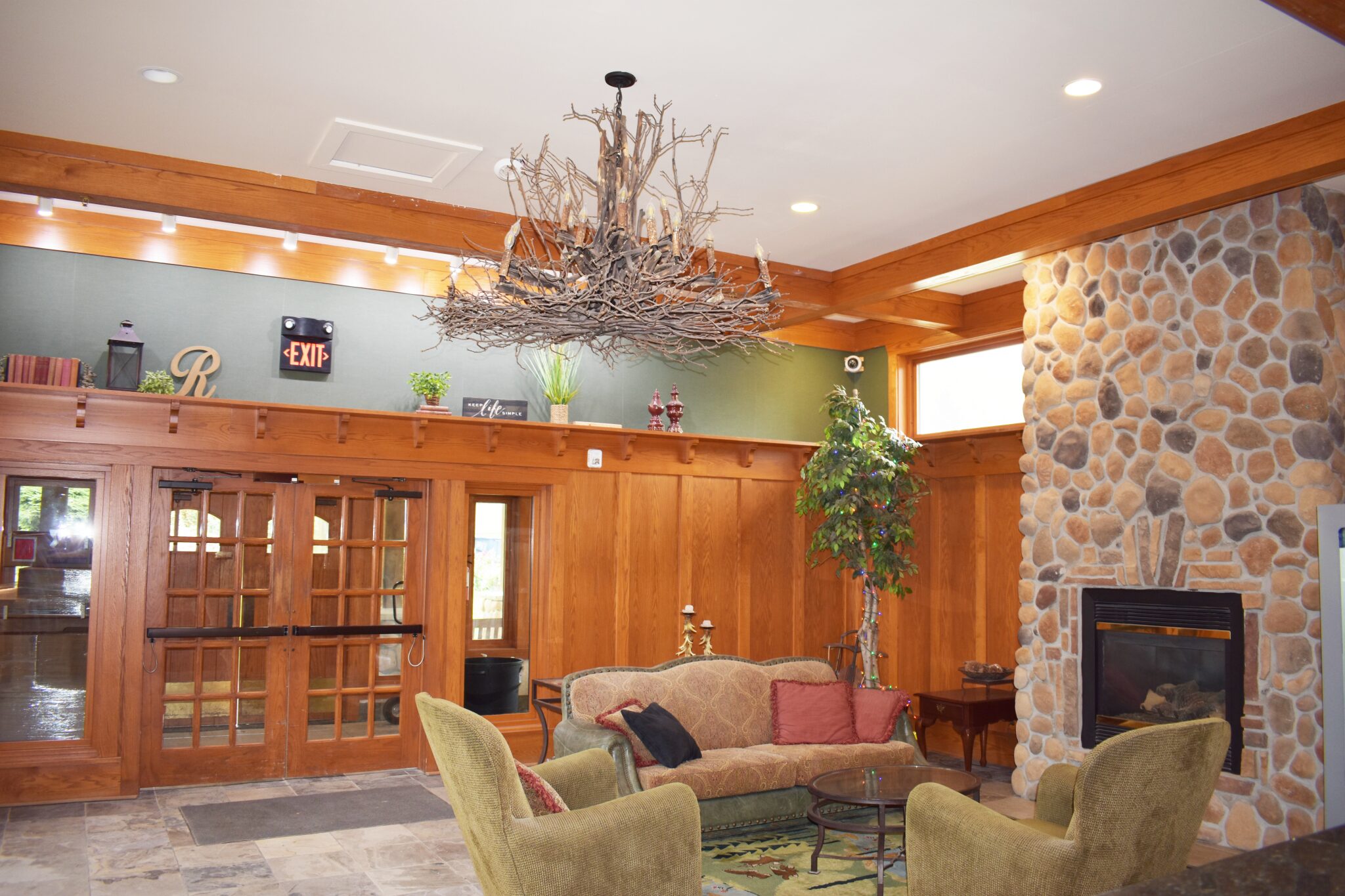
One plan
Co-Occurring Disorders and Dual Diagnosis Treatment
Treating a mental health condition and a substance use disorder at the same time, in the same plan, is the center of what NorthStar Regional does. The clinical term is co-occurring disorders. Many families still search for dual diagnosis treatment. Whichever term you searched for, the reality is the same. Many adults with a substance use disorder also live with a mental health condition. Many get treatment for neither. People dealing with both deserve better than two waiting lists.
How the Two Conditions Feed Each Other
Depression and anxiety invite drinking and drug use as self-medication. The substances then make worse the very symptoms they were used to relieve. Withdrawal feels like panic and despair, and untreated mental illness keeps leading to the next drink. Depression paired with substance use is the most common pairing we see, with anxiety close behind. That loop is why treating half the problem rarely holds. The untreated half reignites the treated one.
Why Treating Both Together Works
At NorthStar Regional, one team treats both conditions inside one plan. Your counselor and your mental health professional share the same chart, the same goals, and the same week. So a rough stretch with the depression gets seen by the people watching the sobriety, and the other way around. Medication decisions run through our medical partner where they fit. Family therapy brings the household into the plan. Treating both at once is how the loop breaks.
Mental Health and Other Co-Occurring Conditions
Half the people who find our mental health services got here through the addiction side. Half the people on that side need mental health care too. Treatment starts by clearly naming both the mental health condition and the substance being used to cope with it. One assessment, one treatment plan, one team, and full services behind every program. When one condition goes untreated, the other usually gets worse too.
Where you can get help
Treated Across NorthStar Regional Locations
You don’t have to find the one building that treats this. One phone number reaches all of our campuses. Co-occurring addiction and mental health care is available at designated programs. Mental health care on its own is offered at our outpatient clinic in Shakopee. Your comprehensive assessment matches you to the right campus and program. We serve people from every corner of the metro and, by telehealth, all of Minnesota.
Medical detox + men’s care
Withdrawal Management Center | Eden Prairie
Where most people start: our only campus with medical detox, with nurses on site 24 hours a day.
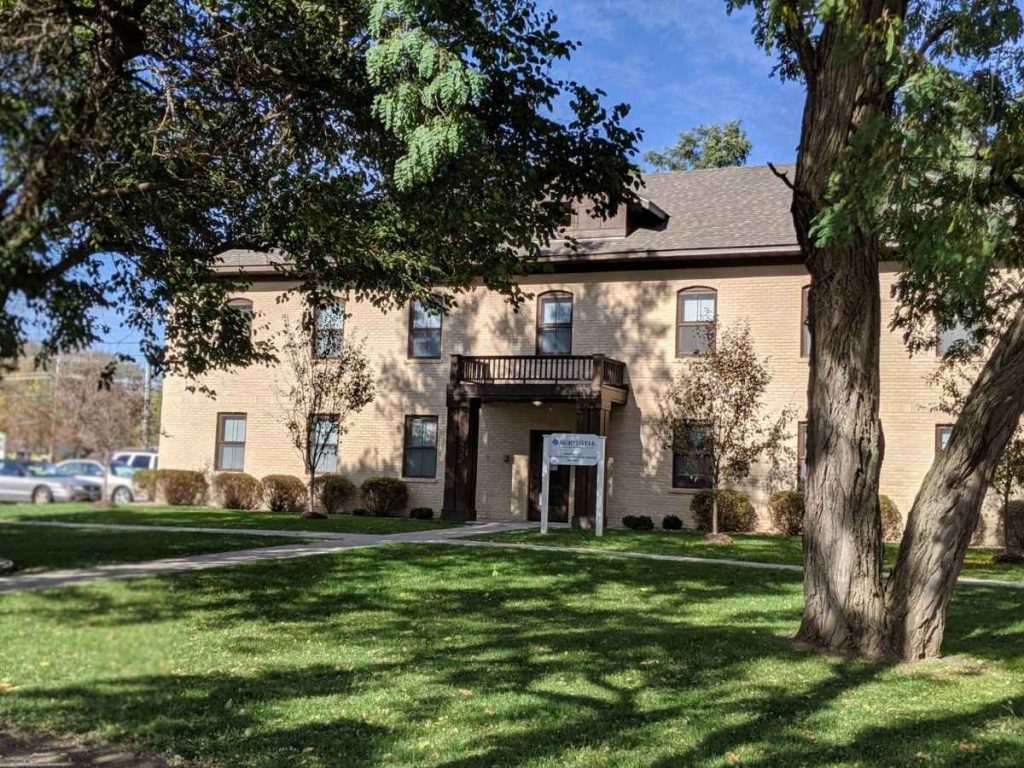
Men’s IOP with lodging
Men's Treatment Center | Chaska
Intensive outpatient therapy with a place to stay, so you can start recovery before you have housing lined up.
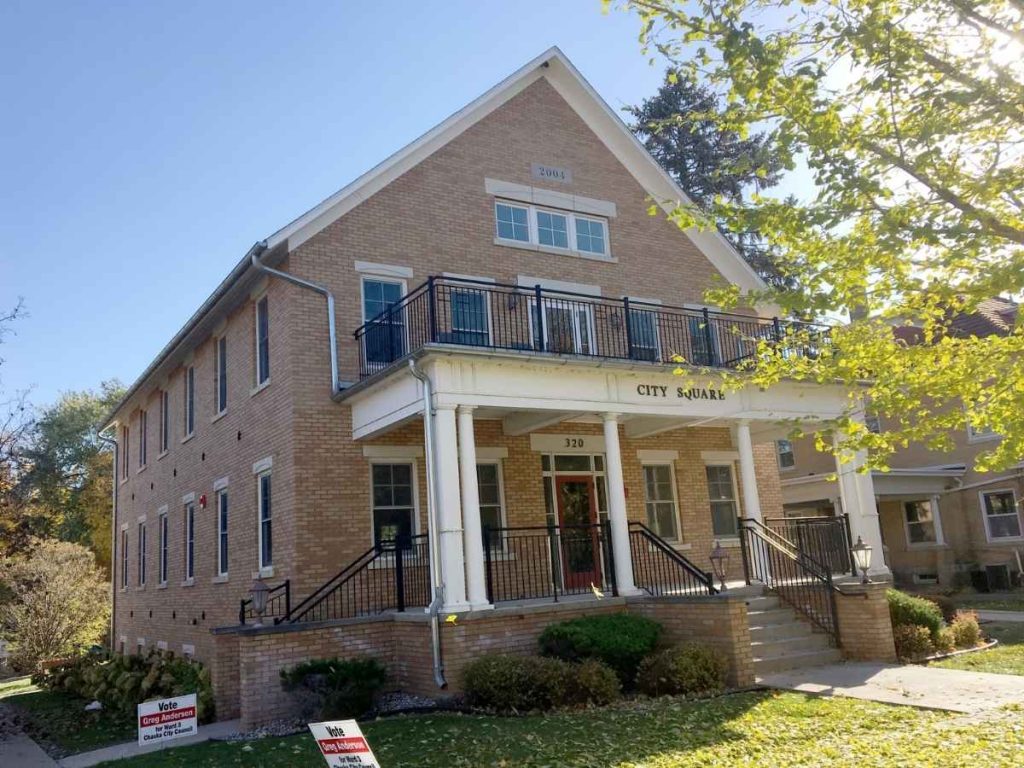
Women’s campus
Women's Treatment Center | Chaska
A fully separate women’s campus in downtown Chaska. The Klein Mansion lets women move from residential into IOP with lodging.
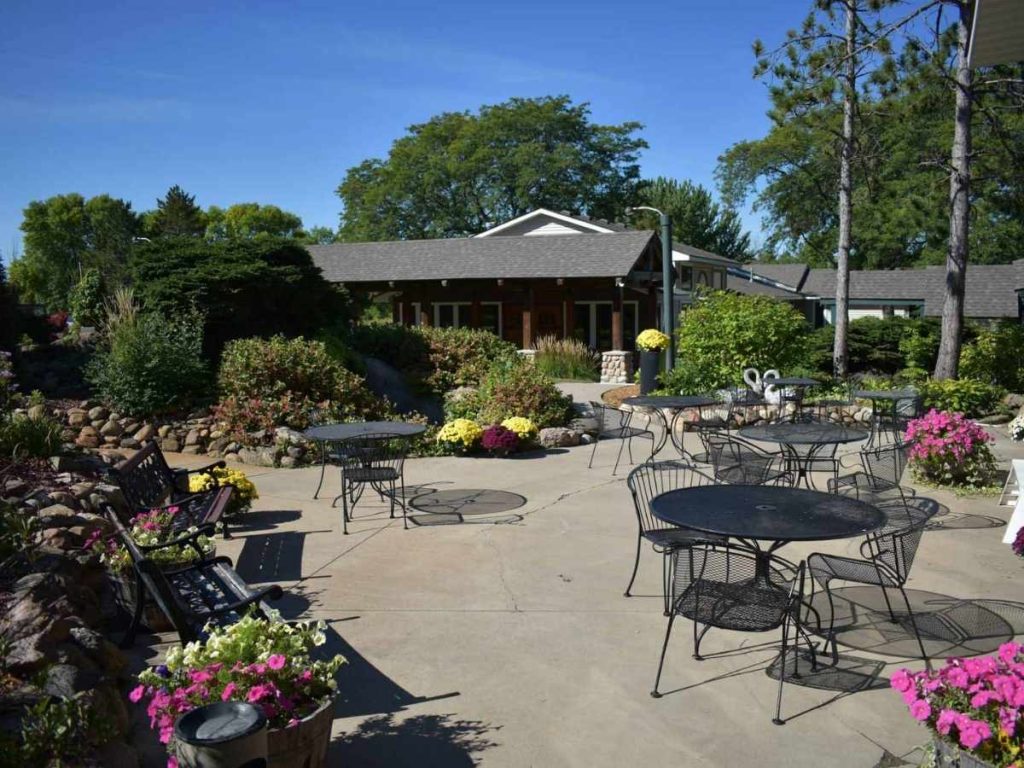
Men’s residential
Men's Treatment Center | Otsego
32 wooded acres on the river, with outdoor groups and a gym, serving the northwest metro.
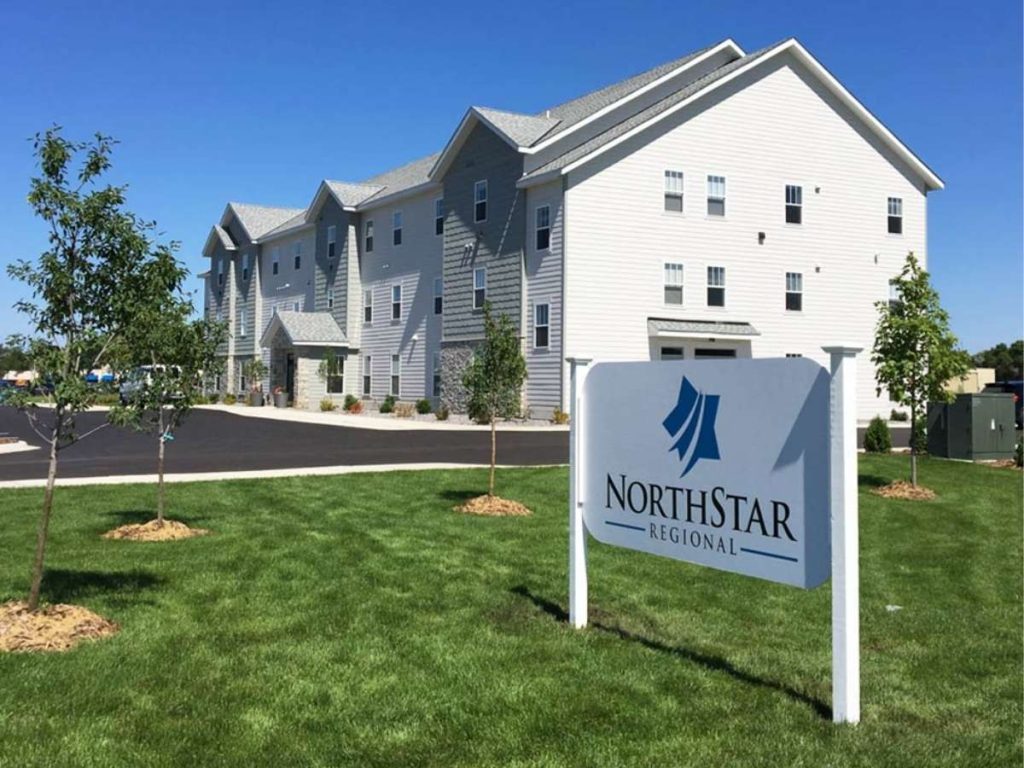
Men’s residential
Men's Treatment Center | Shakopee
A home on a residential street, not a hospital wing, minutes from our outpatient center.
Outpatient clinic
Outpatient Mental Health Clinic | Shakopee
Counseling, assessments, and mental health services on their own. In person or by telehealth. No established diagnosis is needed to contact us.
Where treatment happens
The Programs Behind Every Condition We Treat
From an hour a week to residential structure, matched by your assessment.

When substances co-occur
Medical Detox
When drinking or drug use travels with the condition, safe withdrawal with 24-hour nursing comes first. That happens at our withdrawal management center in Eden Prairie.
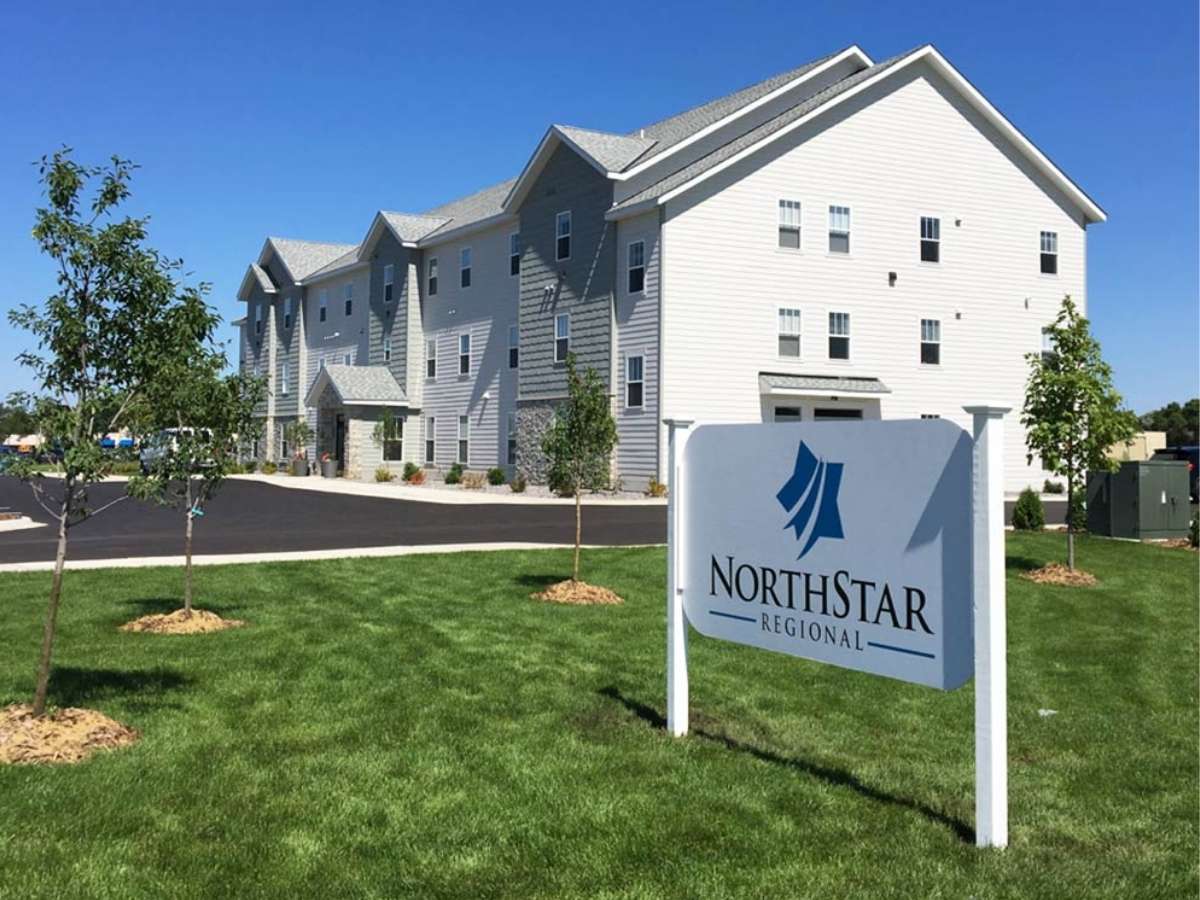
About 35 to 50 days
Inpatient Rehabilitation
Structure for when mental health and substance use travel as a pair. This is our flagship residential treatment program.
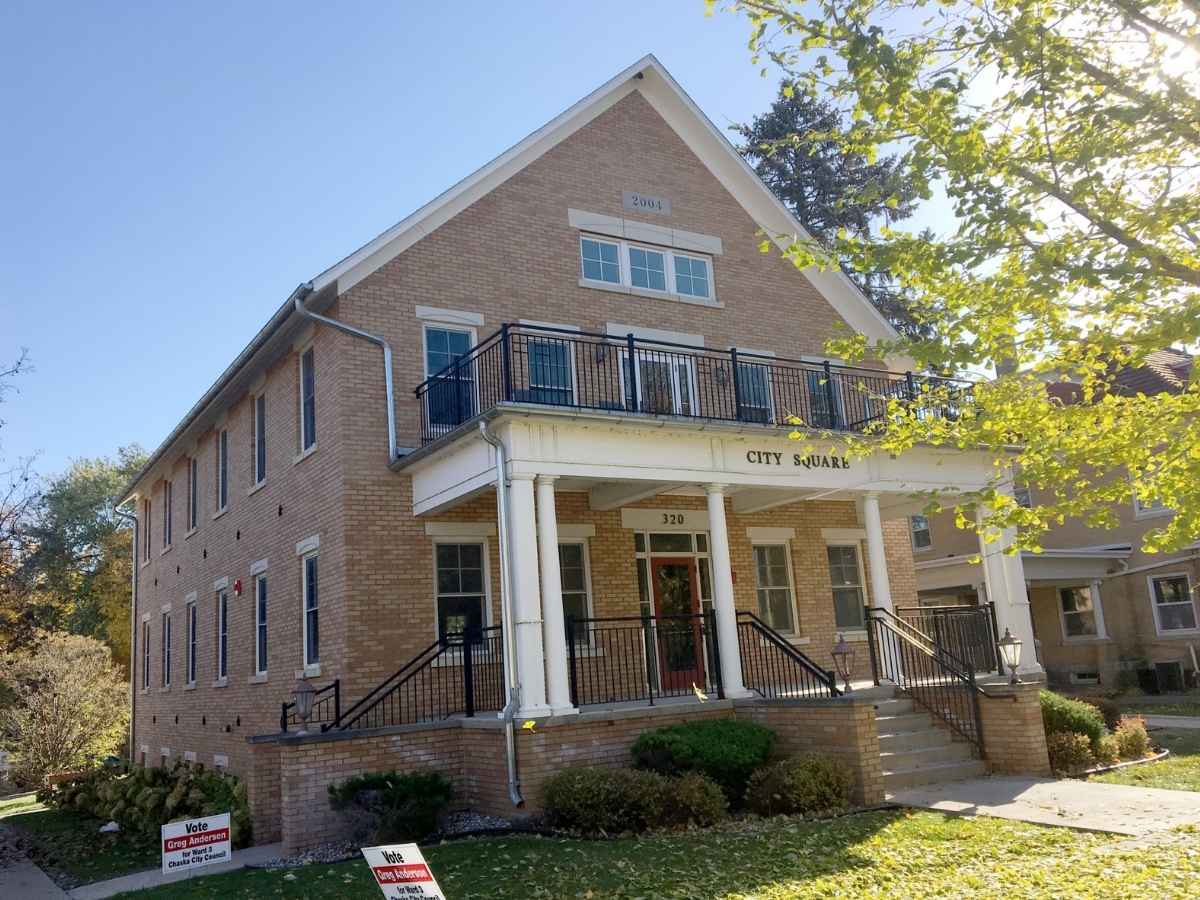
85 to 105 connected days
Low-Intensity Residential Treatment
A sober home built around recovery. You live there while you rebuild a stable, independent life.

With or without lodging
Intensive Outpatient
Structured intensive treatment that fits around work and family. In person, with lodging, or by secure video across the state. These are intensive outpatient programs built for real life.

6 to 8 months or longer
Relapse Prevention
Weekly sessions that watch for early warning signs of both conditions. This is for when substance use is part of the picture.

Ongoing
Outpatient Mental Health
Outpatient treatment and mental health care that go on as long as you need. Find them at our outpatient clinic in Shakopee, or by telehealth. Medication management is part of it. No established diagnosis is needed to contact us.
Who's behind the work
About NorthStar Regional
NorthStar Regional is Minnesota’s treatment system built around access: alcohol and drug treatment centers and mental health care across multiple Twin Cities metro locations. Founded in 2015, we provide one connected continuum: detox (withdrawal management), residential, outpatient, mental health, and a sober housing pathway. Separate men’s and women’s campuses, co-occurring care at designated programs, and no faith requirement set us apart. We accept Medical Assistance (Medicaid) and most major insurers, and if you are uninsured, our admissions team helps you through enrollment. A person can walk in with nothing and leave with everything they need to build a life.
Paying for Care
Insurance and Payment Options
Our team helps review your benefits and handles the paperwork with you. If you have no insurance, we help walk you through enrolling for benefits. County case managers, probation officers, hospitals, and crisis teams send clients to us because, in their words, we just get it done.

Insurance and State Funding
Commercial plans, Medical Assistance (Medicaid), county placements, and private pay. We verify benefits and handle the paperwork with you.
We Are Here to Help
We help review your benefits, find your right starting point, and schedule you for the same day or the next whenever possible. Then we pick you up anywhere in the Twin Cities metro.


How Admission Works
What Happens From Your First Call to Your First Night
You did the hard part when you picked up the phone. Here is exactly what happens next, so nothing about day one is a mystery.
You Call and a Real Person Answers
A real person answers, usually within seconds, and asks one short question: substance use, or mental health? There is no phone tree, and you don’t have to tell your life story. We ask only what we need and handle the rest.
We Help with the Details
Our team helps review your benefits, and a short screening covers withdrawal risk, medical needs, and mental health, so you land at the right level of care. Then we schedule you, same day or next day whenever possible.
We Pick You Up
You get reminder calls and texts. Before pickup, your admissions coordinator and your driver call you together, so you know the name, the car, and the timing before it’s in your driveway. In the car: water, Gatorade, snacks, and a bagged lunch. Your driver, most often someone in long-term recovery, helps with your bags.
A Real Person Meets You When You Arrive
Your driver walks you inside and hands you off by name to the team member waiting for you. Your intake team completes your application with you. If you’re hungry, there’s a meal waiting. Treatment starts, and you never carried the logistics.
“The client has done the hard work by picking up the phone. We will carry them the rest of the way.”
Sarah Roy, Executive Vice President
Reviews from Google
Why Clients Choose NorthStar Regional
Don’t just take our word for it. Here is what alumni say about their time in treatment.
Keep reading
Related Articles and Resources

Resources
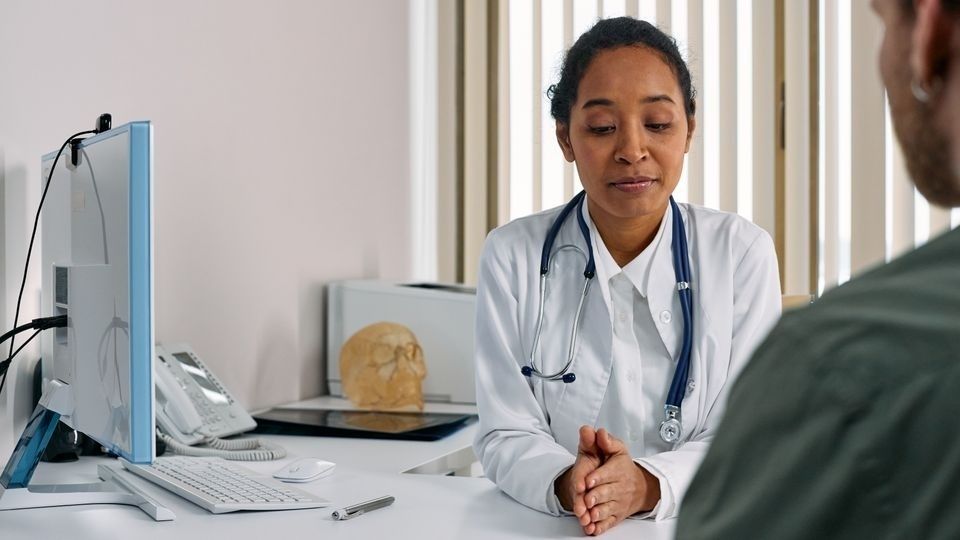
Before You Call
How admissions works, guides for families, and the forms you can complete early. More resources are linked throughout the site, or contact admissions and we’ll send anything by email.
Questions we hear every day
Common Questions About Mental Health Treatment
What mental health conditions does NorthStar Regional treat?
NorthStar Regional treats depression, anxiety and panic, bipolar disorder, trauma and PTSD, adult ADHD, attachment-related conditions, and adjustment disorder. We also treat mental health conditions that occur alongside substance use, which is our specialty. These conditions often show up together, so we treat them together.
Do I need a substance use problem to get mental health care here?
No. Our outpatient clinic in Shakopee provides standalone mental health treatment, in person or by telehealth. No established diagnosis is needed to contact us. The outpatient schedule is built around your week. At our residential campuses, mental health is treated along with addiction as co-occurring care.
What is dual diagnosis treatment, and what is it called now?
Dual diagnosis means having a mental health condition and a substance use disorder at the same time, which is the most common situation we see. Dual diagnosis treatment means treating both in one plan, by one team. The current clinical term is co-occurring disorders, and it means the same thing. Treating only half of it rarely works, so we don’t.
Which therapy works best for co-occurring disorders?
Research supports integrated, evidence-based treatment, meaning approaches backed by research that treat both conditions together. That includes CBT and DBT adapted for both conditions, and EMDR when trauma is driving substance use. Group therapy helps with isolation, and family therapy sessions support the household. What matters most is that one team provides all of it in one treatment program, so your mental health and substance use are treated together.
Is there residential mental health treatment in Minnesota here?
Yes, as part of our co-occurring care. Our residential mental health treatment in Minnesota is for people who have both a mental health condition and substance use. Licensed mental health professionals are part of our designated programs. If you have a mental health condition without substance use, our outpatient or virtual programs are usually a better fit, and your assessment helps decide. Some residential treatment centers in Minnesota accept mental-health-only admissions. If that’s what you need, we’ll help you find the right one.
Is chemical dependency the same as a substance use disorder?
Yes. Chemical dependency is the older Minnesota term, and it’s still used on many county forms. Substance use disorder is the current diagnosis. If your paperwork says chemical dependency treatment or substance abuse treatment, it means the same thing as the treatment we provide. Our care also covers any mental health conditions that come with it.
How do I know how serious my situation is?
That’s exactly what the comprehensive assessment answers: severity, safety, and the right intensity of care, in about an hour, with no obligation.
Does insurance cover mental health treatment?
Coverage depends on your plan, the service, eligibility, and authorization requirements. Our team helps review your benefits and available payment options. Benefits verification is not a guarantee of payment.
Admissions
Make the First Call and We'll Take It from There
Confidential, no obligation, and answered by someone who knows what you’re facing and cares to listen.