
Marijuana Addiction Treatment in Minnesota
NorthStar Regional takes marijuana addiction treatment in Minnesota seriously, because cannabis dependence is real. The law changed, but the way cannabis affects the brain did not, and today’s high-potency products make dependence more likely. For many Minnesotans the result is lost drive, worse anxiety, and a smaller life. Most treatment runs at the outpatient level, at our Twin Cities campuses or by video statewide, with residential care when needed. We accept Medical Assistance (Medicaid) and most major insurers, and nobody here will minimize or exaggerate your problem.
Licensed Treatment Programs

Founded 2015
Addiction and mental health care in one system

Multiple Campuses
Across the Twin Cities metro

MN Department of Health: Licensed
MN Department of Human Services: Licensed
Understanding marijuana addiction
Marijuana Is Legal, but Addiction Still Happens
Cannabis use disorder is a recognized condition, and it is more common than most people think. Research suggests that many people who use cannabis go on to develop dependence. The odds rise sharply with daily use and today’s high-potency concentrates. Dependence looks like needing it to eat, sleep, or feel normal, and getting irritable and sleepless when you stop. It also looks like use that keeps winning against your own plans to cut back.
The harder talk is about what daily cannabis does quietly. Motivation flattens, and anxiety often gets worse even as it feels relieved for a moment. For younger users, heavy use also carries real risks to developing brains. None of this calls for panic. It calls for honesty, and a treatment plan that takes cannabis dependence seriously, including the nights you can’t sleep without it.
What It Looks Like
Signs of a Marijuana Problem
Because cannabis is legal and everywhere, the signs hide in plain sight.
Can't Sleep or Eat Without It
When appetite and sleep only work with cannabis, the body has reorganized around it. That’s dependence, whatever the law says.
Irritable and Restless When You Stop
Cannabis withdrawal is real. You may feel irritable, sleepless, and anxious, with vivid dreams, for days to weeks. That is why quitting keeps not sticking.
You’re High From the Time You Wake Up
Wake and bake, maintenance hits, high through errands and dinners. When there is no sober part of the day left, using has taken over the day.
The Ambition Drained Out
Plans that stopped mattering. Projects that never got started. The change is slow enough that people mistake it for who you are.
Anxiety Is Worse, Not Better
It calms you in the moment and raises your anxiety overall. If your anxiety has grown alongside your use, it is not working as medicine.
Cutting Back Keeps Failing
Rules about only evenings, only weekends, only after work. Each one dropped. Failed limits are the clearest sign you have lost control of the substance.
You don’t need to check every box, and you don’t need to diagnose yourself. If several of these sound familiar, a comprehensive assessment gives you a clear answer in about an hour. Reading this for someone you love? Start with our guide for parents or our guide for spouses and partners.
Treating Marijuana Use and Mental Health Together
Many people who use cannabis heavily do it for a reason, such as calming anxiety, filling time, or coping with depression. Understanding that reason helps make quitting possible, because you will need another way to meet that need. At NorthStar Regional, we treat your cannabis use and the reasons behind it together, in one plan.
For Addiction
Every substance we treat is explained on its own page, from the first assessment through sober living.
For Mental Health
At designated NorthStar Regional programs, these conditions are treated together with addiction as co-occurring care, in one plan. Standalone mental health treatment, no substance use diagnosis needed, is available through our outpatient clinic in Shakopee.
How We Treat It
How NorthStar Regional Treats Marijuana Addiction
Most cannabis treatment runs at the outpatient level. It starts with a comprehensive assessment, then structured therapy that fits around work and school. That therapy runs in person or by telehealth. Sometimes daily use is part of a larger picture: heavier use, other substances, or mental health conditions that need more support. Then every level of care is open to you, including residential care.
The clinical work targets what cannabis was doing. CBT works on the habit loops and the anxiety behind it, while DBT-informed skills help with restlessness and sleep. Motivational work helps with the flattened drive, and family therapy helps where the household has been arguing about this for years. Withdrawal is unpleasant, not dangerous, and we support you through it. That means sleep plans, tools for irritability, and a plan for the two weeks that defeat most attempts to quit alone.
Am I ready?
Do I Need Treatment for Marijuana?
These signs can help you tell whether your marijuana use may need treatment.
You've Argued Both Sides
Defending it in public, doubting it in private. That inner argument is the most reliable early sign there is something real to deal with.
Quitting Keeps Not Sticking
Two weeks of feeling irritable and not sleeping have beaten every attempt. That is withdrawal. It is predictable, and it is much easier with support.
You Want Your Drive Back
The most common reason people give us isn’t rock bottom. It is the growing gap between the life they have and the life they wanted.
Here is how admissions works, and the assessment that turns “maybe” into a plan.
Where you can get help
Treated Across NorthStar Regional Locations
Co-occurring addiction and mental health care is available at designated programs, and standalone mental health care is available at our outpatient clinic in Shakopee. Your comprehensive assessment matches you to the right campus and level of care.
Medical detox + men’s care
Withdrawal Management Center | Eden Prairie
Where most people start: our only campus with medical detox, with nurses on site 24 hours a day.
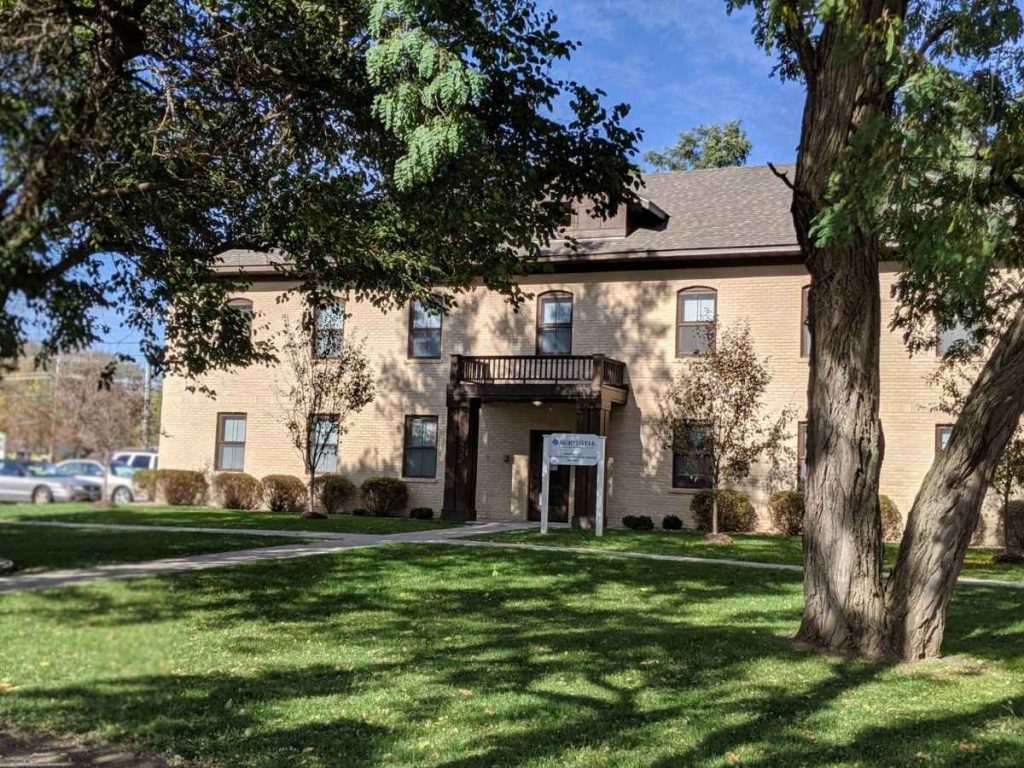
Men’s IOP with lodging
Men's Treatment Center | Chaska
Intensive outpatient therapy with a place to stay, so you can start recovery before you have housing lined up.
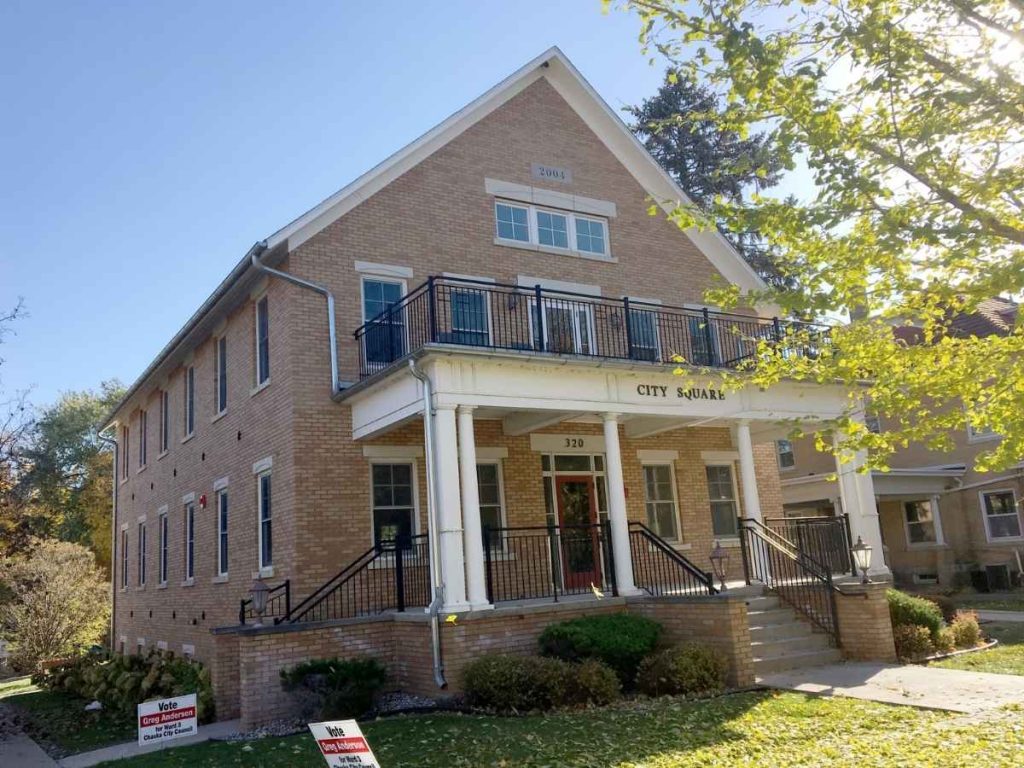
Women’s campus
Women's Treatment Center | Chaska
A fully separate women’s campus in downtown Chaska. The Klein Mansion lets women move from residential into IOP with lodging.
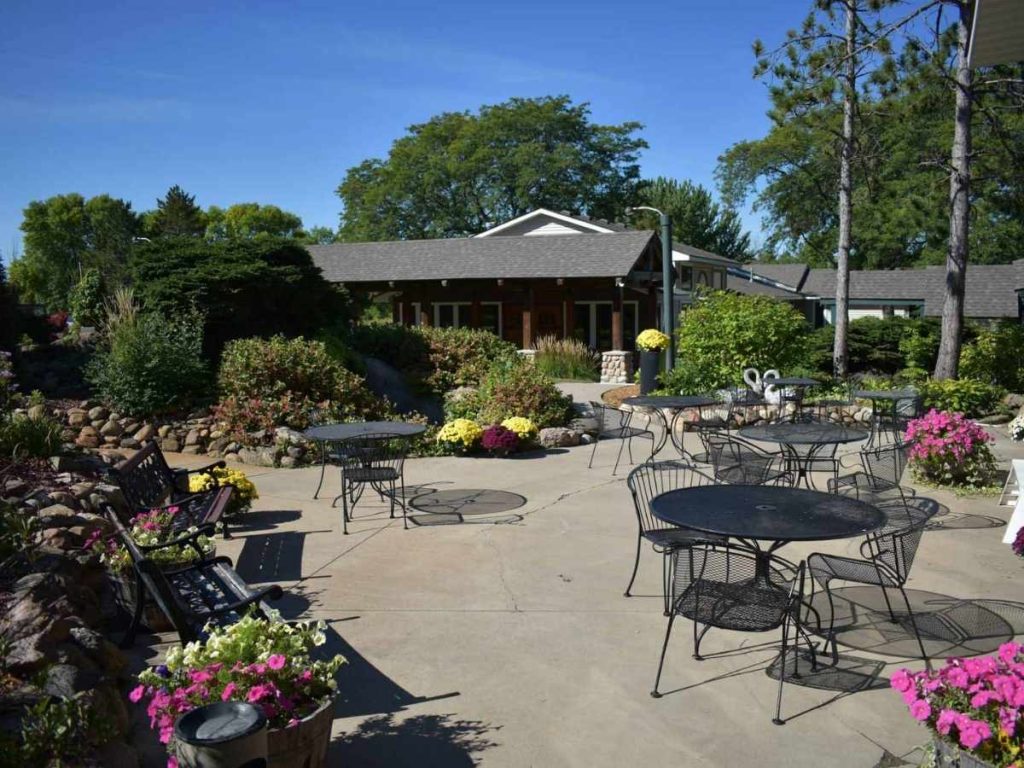
Men’s residential
Men's Treatment Center | Otsego
32 wooded acres on the river, with outdoor groups and a gym, serving the northwest metro.
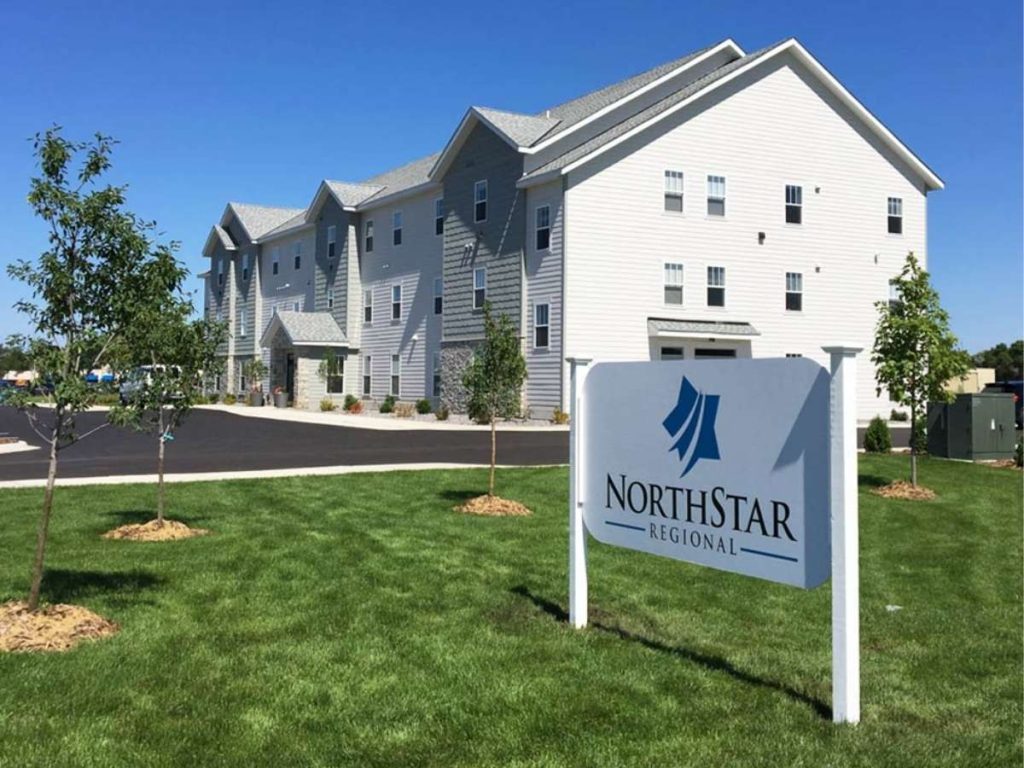
Men’s residential
Men's Treatment Center | Shakopee
A home on a residential street, not a hospital wing, minutes from our outpatient center.
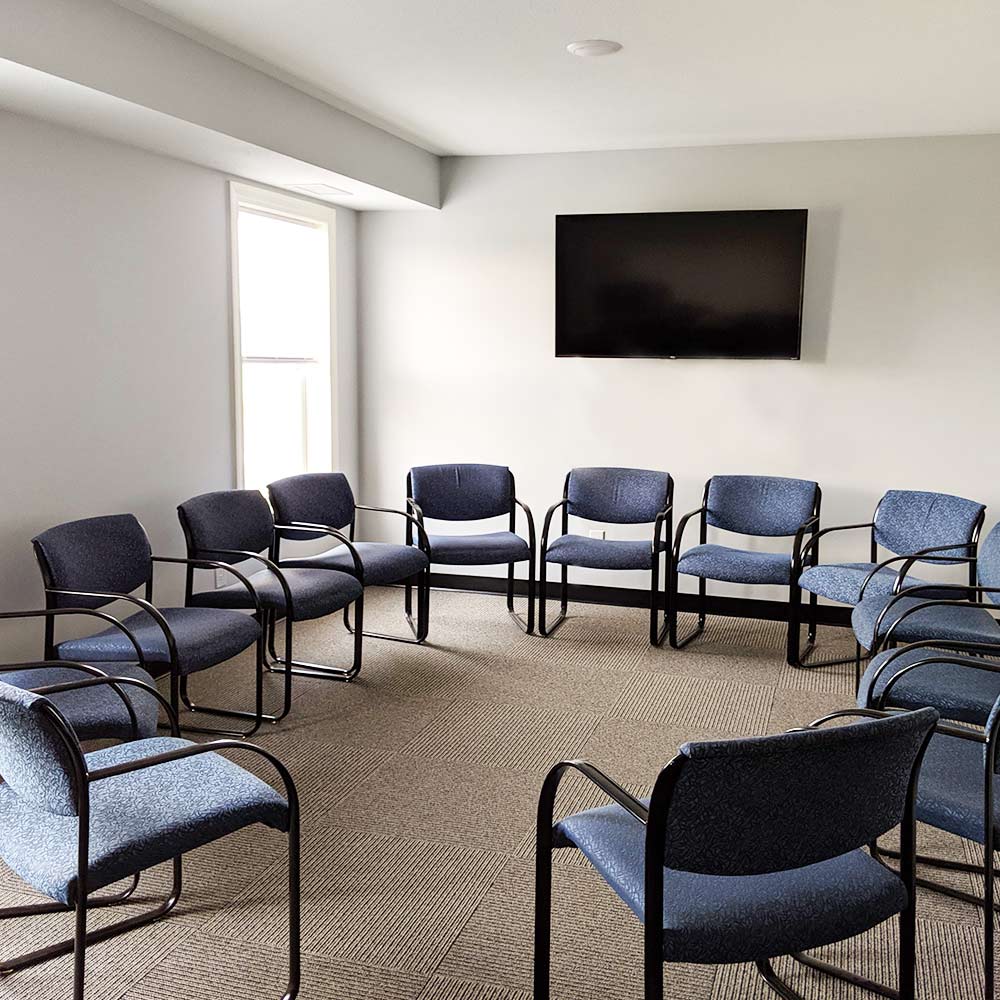
Outpatient clinic
Outpatient Mental Health Clinic | Shakopee
Counseling, assessments, and standalone mental health care, in person or by telehealth. No established diagnosis needed to contact us.
Where treatment happens
The Programs That Treat Marijuana Addiction
Many people get treatment for marijuana addiction in an outpatient program while they live at home. If you need more support, other levels of care are available too.
Most common
Intensive Outpatient
Structured treatment around work and school, in person or virtual.
From home
Virtual IOP
The same treatment program, by secure video. Join from any place in Minnesota.
When more fits
Inpatient Rehabilitation
Live-in care where cannabis sits inside a larger picture.
Who's behind the work
About NorthStar Regional
NorthStar Regional is Minnesota’s treatment system built around access: alcohol and drug treatment centers and mental health care across multiple Twin Cities metro locations. Founded in 2015, we provide one connected continuum: detox (withdrawal management), residential, outpatient, mental health, and a sober housing pathway. Separate men’s and women’s campuses, co-occurring care at designated programs, and no faith requirement set us apart. We accept Medical Assistance (Medicaid) and most major insurers, and if you are uninsured, our admissions team helps you through enrollment. A person can walk in with nothing and leave with everything they need to build a life.
Paying for Care
Insurance and Payment Options
Our team helps review your benefits and handles the paperwork with you. If you have no insurance, we help walk you through enrolling for benefits. County case managers, probation officers, hospitals, and crisis teams send clients to us because, in their words, we just get it done.

Insurance and State Funding
Commercial plans, Medical Assistance (Medicaid), county placements, and private pay. We verify benefits and handle the paperwork with you.
We Are Here to Help
We help review your benefits, find your right starting point, and schedule you for the same day or the next whenever possible. Then we pick you up anywhere in the Twin Cities metro.


How Admission Works
What Happens From Your First Call to Your First Night
You did the hard part when you picked up the phone. Here is exactly what happens next, so nothing about day one is a mystery.
You Call and a Real Person Answers
A real person answers, usually within seconds, and asks one short question: substance use, or mental health? There is no phone tree, and you don’t have to tell your life story. We ask only what we need and handle the rest.
We Help with the Details
Our team helps review your benefits, and a short screening covers withdrawal risk, medical needs, and mental health, so you land at the right level of care. Then we schedule you, same day or next day whenever possible.
We Pick You Up
You get reminder calls and texts. Before pickup, your admissions coordinator and your driver call you together, so you know the name, the car, and the timing before it’s in your driveway. In the car: water, Gatorade, snacks, and a bagged lunch. Your driver, most often someone in long-term recovery, helps with your bags.
A Real Person Meets You When You Arrive
Your driver walks you inside and hands you off by name to the team member waiting for you. Your intake team completes your application with you. If you’re hungry, there’s a meal waiting. Treatment starts, and you never carried the logistics.
“The client has done the hard work by picking up the phone. We will carry them the rest of the way.”
Sarah Roy, Executive Vice President
Reviews from Google
Why Clients Choose NorthStar Regional
Don’t just take our word for it. Here is what alumni say about their time in treatment.
Keep reading
Related Articles and Resources
Resources
Before You Call
How admissions works, guides for families, and the forms you can complete early. More resources are linked throughout the site, or contact admissions and we’ll send anything by email.
Questions we hear every day
Common Questions About Marijuana Treatment
Is marijuana actually addictive?
Yes. Cannabis use disorder affects about one in ten people who use, and the rate is higher with daily use of strong products. Dependence means withdrawal when you stop, failed attempts to cut back, and use that goes on despite harm. All three are common.
It's legal now. Why would I need treatment?
Legal and harmless are two different things. Alcohol is the obvious example. Cannabis may be costing you sleep, drive, money, or relationships. If you can’t stop on your own, the law doesn’t change what treatment is for.
What does marijuana withdrawal feel like?
Irritability, insomnia, vivid dreams, low appetite, and anxiety. Symptoms usually peak in the first week and ease over two to four. It is not dangerous. But it is unpleasant enough to defeat most attempts to quit alone, and that is exactly what support is for.
Do people go to rehab for marijuana?
Most cannabis treatment is outpatient, and that is usually enough. Residential care comes in when cannabis sits next to other drugs or mental health conditions that need more structure. The assessment sorts it out.
Can you treat my anxiety at the same time?
Yes, and it is usually essential. Heavy cannabis use and anxiety feed each other, so treating only one side fails. Mental health care is part of the plan at designated NorthStar Regional programs. If that is the right fit, it is also available on its own at our outpatient clinic in Shakopee.
Does insurance cover marijuana treatment?
Coverage depends on your plan, the service, eligibility, and authorization requirements. Our team helps review your benefits and available payment options. Benefits verification is not a guarantee of payment.
Admissions
Make the First Call and We'll Take It from There
Confidential, no obligation, and answered by someone who knows what you’re facing and cares to listen.