
Club Drug Addiction Treatment in Minnesota
The party was never the problem, so NorthStar Regional’s club drug addiction treatment in Minnesota is built around the week that follows. We treat MDMA, ketamine, GHB, and the hallucinogens often used with them, for adults across Minnesota. Treatment usually fits around work and school, with residential care when the pattern needs a reset. GHB withdrawal can be medically serious, so a doctor oversees stopping, and the midweek crashes are treated as real symptoms. We accept Medical Assistance (Medicaid) and most major insurers, and recovery never asks you to give up your whole social world.
Licensed Treatment Programs

Founded 2015
Addiction and mental health care in one system

Multiple Campuses
Across the Twin Cities metro

MN Department of Health: Licensed
MN Department of Human Services: Licensed
Understanding club drug addiction
When Club Drugs Stop Being a Weekend Thing
Club drugs work in a cycle: intense highs on the weekend, then low mood and low energy across the week. MDMA drains serotonin, which causes a crash later in the week: low mood, anxiety, and flatness. Ketamine builds tolerance and bladder damage with regular use. Its dissociation becomes a place to hide. GHB is the dangerous one. Dependence builds fast, dosing errors cause blackouts, and its withdrawal can be medically serious.
The lifestyle hides the problem. Because use happens socially, on a schedule, with friends doing the same, it looks like a phase long after it has become a pattern. The test isn’t the party. It is the week: the mood crashes, the missed Mondays, the growing sense that real life is just the time between doses. And in the fentanyl era, pressed pills and powders can’t be trusted to be what they claim.

What It Looks Like
Signs of a Club Drug Problem
The scene hides the pattern. These are the signs that show up in the week.
The Midweek Crash
You feel awful for two or three days after weekend use. That is the brain running low on serotonin after MDMA. When the crash is routine, the drug cycle is running your week.
The Scene Is the Whole Social Life
Friendships, plans, and identity all revolve around where the drugs are. Leaving the scene starts to feel like leaving everyone, and that is what keeps people using.
More to Get There
Doses climb. Mixing starts: something to come up, something to come down. Tolerance and the mixing that follows it raise every risk.
Using Outside the Scene
Ketamine alone on a weeknight, GHB to get to sleep. When party drugs leave the party, your relationship with them has changed, and it deserves attention.
Blackouts and Lost Hours
Especially with GHB and ketamine: time you can’t account for, mornings pieced together from other people’s stories. That isn’t partying hard. It is dangerous.
You Can't Imagine Fun Sober
The quiet sign underneath the rest: music, dancing, connection all feel impossible without the chemical. Treatment is how they come back.
You don’t need to check every box, and you don’t need to diagnose yourself. If several of these sound familiar, a comprehensive assessment gives you a clear answer in about an hour. Reading this for someone you love? Start with our guide for parents or our guide for spouses and partners.
Treating Club Drug Use and Mental Health Together
Club drug cycles affect mood. The highs lift your mood, and the crashes afterward leave it lower than before. A lot of scene use is self-medication for social anxiety or depression that was there first. Seeing the whole cycle is what makes treatment work, and here it is treated as one plan.
For Addiction
Every substance we treat is explained on its own page, from the first assessment through sober living.
For Mental Health
At designated NorthStar Regional programs, these conditions are treated together with addiction as co-occurring care, in one plan. Standalone mental health treatment, no substance use diagnosis needed, is available through our outpatient clinic in Shakopee.

How We Treat It
How NorthStar Regional Treats Club Drug Addiction
It starts with a comprehensive assessment. That assessment maps what you are using, how the mixes work, and what the week looks like around them. GHB gets special medical care. Its withdrawal can be serious, so you should stop it with a doctor’s oversight, not alone. From there, most treatment runs at the outpatient level, with residential care when the pattern, or what surrounds it, needs more structure.
The clinical work rebuilds the week. CBT works on the thinking that keeps the cycle going, and we treat the mood crashes rather than waiting them out. DBT-informed skills help with the social anxiety the scene was managing. The work also includes rebuilding a sober social life. Recovery that costs someone their entire social world without replacing it doesn’t last. Every level of care stands behind it all: intensive outpatient, relapse prevention, and sober living with peers your age building the same thing.
Am I ready?
Signs You're Ready for Club Drug Addiction Treatment
Nobody wants to give up their whole life for recovery. The good news is that is not what recovery asks.
The Crashes Are Getting Deeper
What used to be one flat day is now half a week of feeling terrible. Worsening crashes mean the drug’s effects on your body are changing, and it is the right moment to act.
You've Scared Yourself Once
A blackout, a dose you didn’t measure, a pill that felt wrong. In the fentanyl era, the margin for those moments is gone.
You're Curious Who You Are Sober
Underneath the question of quitting is a bigger one: whether connection and fun survive without the drug. They do, and treatment is where you find that out.
Here is how admissions works, and the assessment that turns “maybe” into a plan.
Where you can get help
Treated Across NorthStar Regional Locations
You don’t have to find the one building that treats this. Co-occurring addiction and mental health care is available at designated programs, and standalone mental health care is available at our outpatient clinic in Shakopee. Your comprehensive assessment matches you to the right campus and level of care.
Medical detox + men’s care
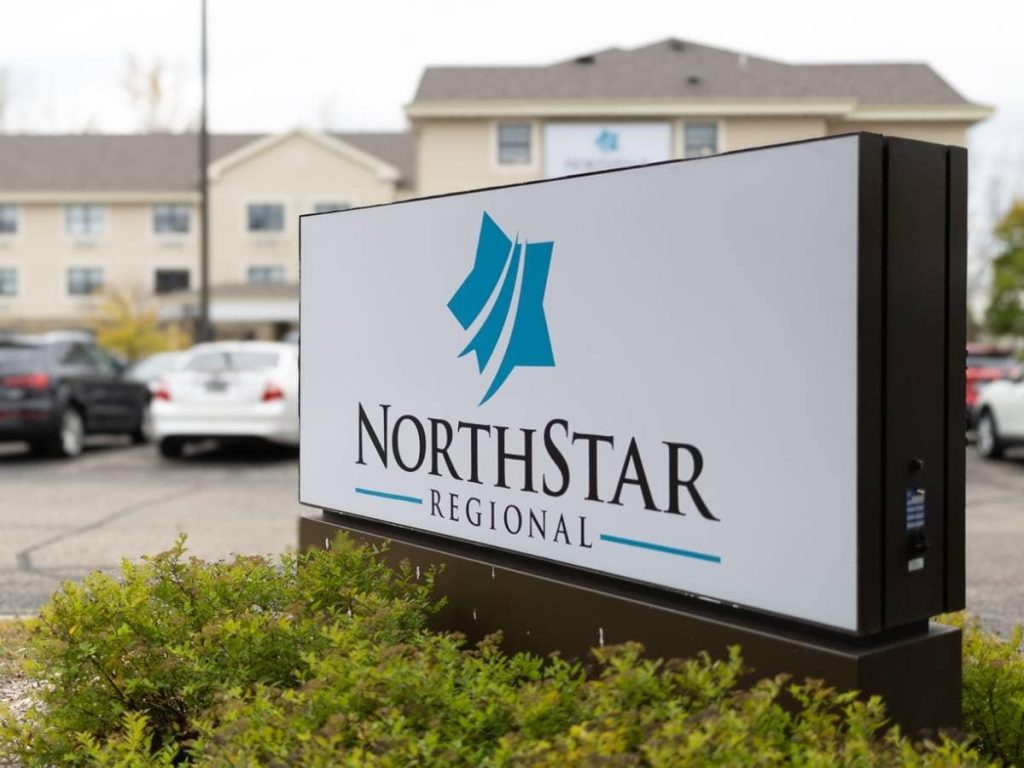
Detox Center & Withdrawal Management - Eden Prairie
Where most people start: our only campus with medical detox, with nurses on site 24 hours a day.
Men’s IOP with lodging
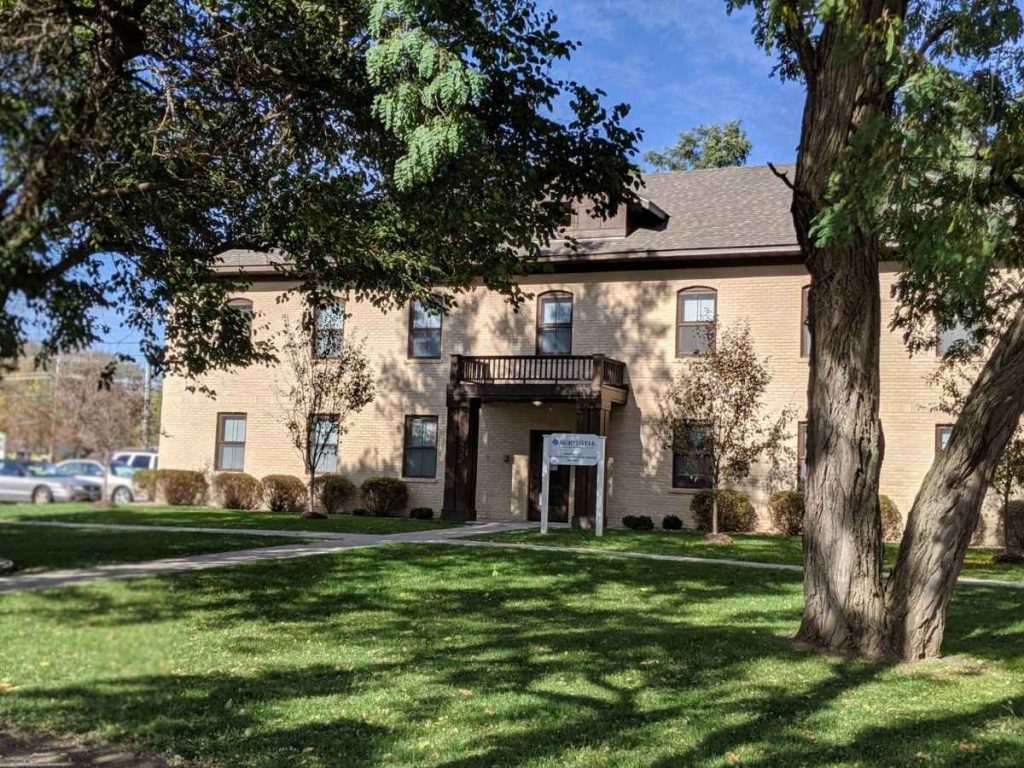
Men's Treatment Center | Chaska
Intensive outpatient therapy with a place to stay, so you can start recovery before you have housing lined up.
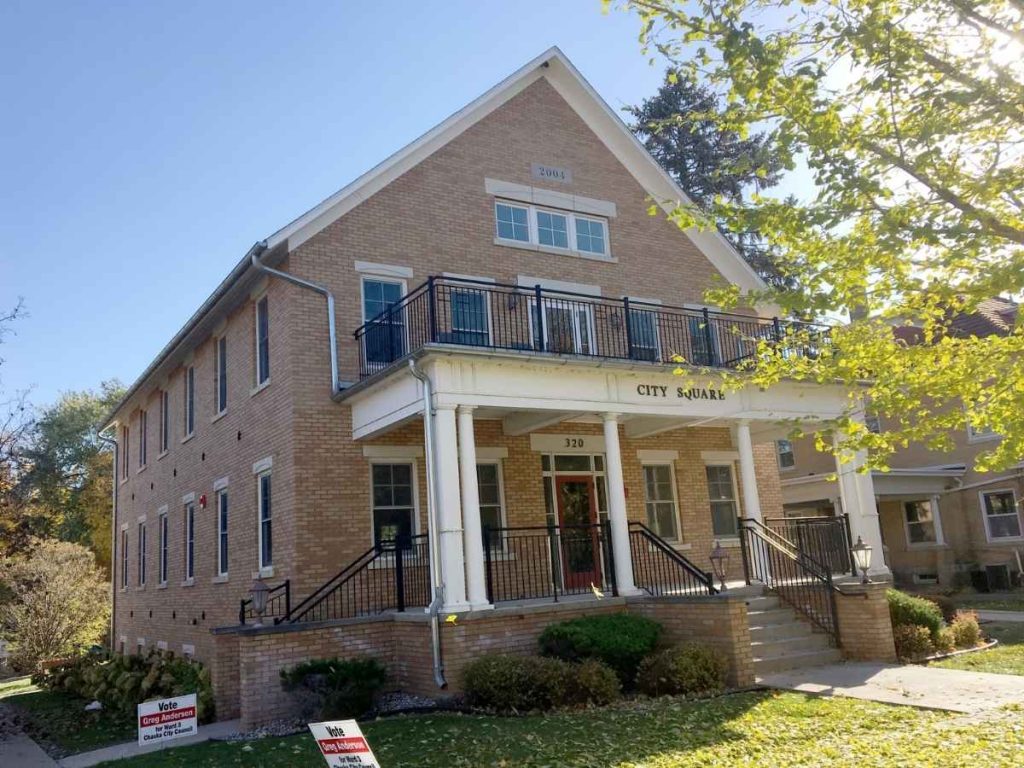
Women’s campus
Women's Treatment Center | Chaska
A fully separate women’s campus in downtown Chaska. The Klein Mansion lets women move from residential into IOP with lodging.
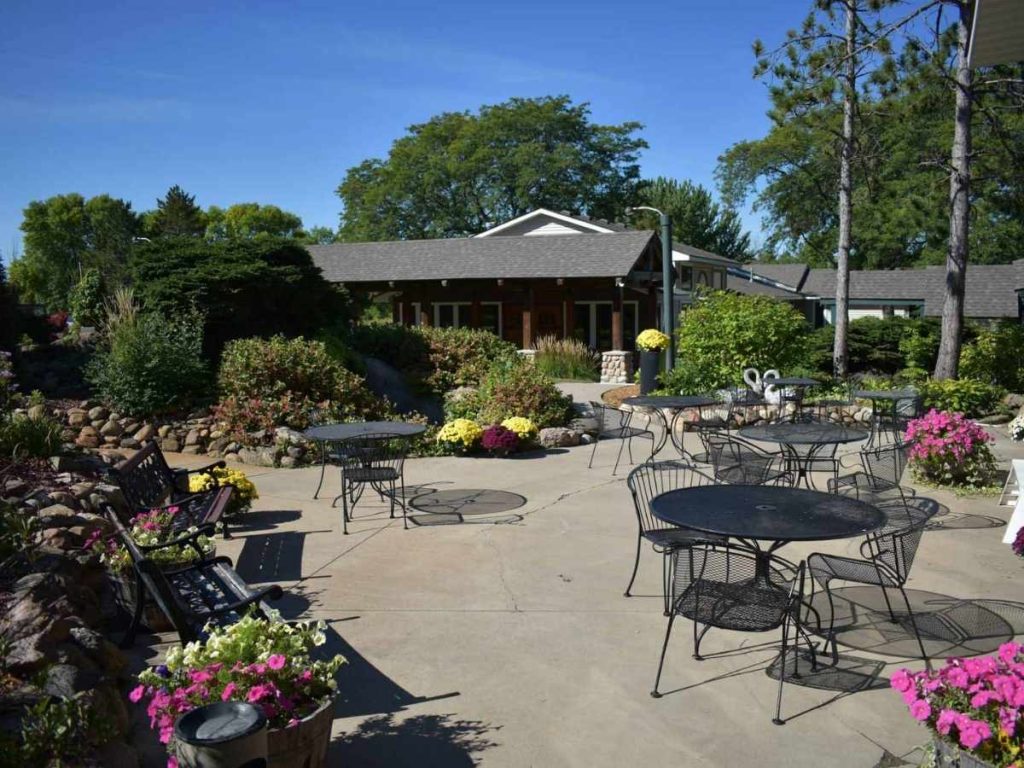
Men’s residential
Men's Treatment Center | Otsego
32 wooded acres on the river, with outdoor groups and a gym, serving the northwest metro.
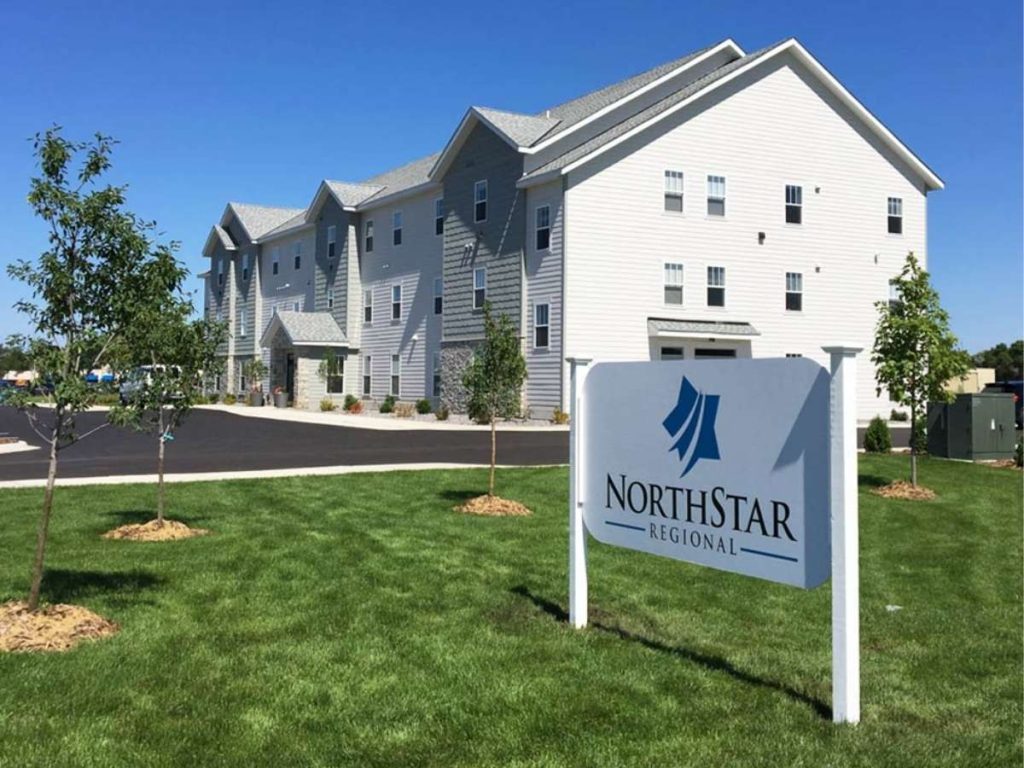
Men’s residential
Men's Treatment Center | Shakopee
A home on a residential street, not a hospital wing, minutes from our outpatient center.
Outpatient clinic
Outpatient Mental Health Clinic | Shakopee
Counseling, assessments, and standalone mental health care, in person or by telehealth. No established diagnosis needed to contact us.
Where treatment happens
Club Drug Addiction Programs
Usually outpatient, medically careful with GHB.
Most common
Intensive Outpatient
Evening-friendly structured treatment around work and school.
When more fits
Inpatient Rehabilitation
Live-in care where the pattern needs a full reset.
The long game
Sober Living
Substance-free housing with peers building the same life.
Who's behind the work
About NorthStar Regional
NorthStar Regional is Minnesota’s treatment system built around access: alcohol and drug treatment centers and mental health care across multiple Twin Cities metro locations. Founded in 2015, we provide one connected continuum: detox (withdrawal management), residential, outpatient, mental health, and a sober housing pathway. Separate men’s and women’s campuses, co-occurring care at designated programs, and no faith requirement set us apart. We accept Medical Assistance (Medicaid) and most major insurers, and if you are uninsured, our admissions team helps you through enrollment. A person can walk in with nothing and leave with everything they need to build a life.
Paying for Care
Insurance and Payment Options
Our team helps review your benefits and handles the paperwork with you. If you have no insurance, we help walk you through enrolling for benefits. County case managers, probation officers, hospitals, and crisis teams send clients to us because, in their words, we just get it done.

Insurance and State Funding
Commercial plans, Medical Assistance (Medicaid), county placements, and private pay. We verify benefits and handle the paperwork with you.
We Are Here to Help
We help review your benefits, find your right starting point, and schedule you for the same day or the next whenever possible. Then we pick you up anywhere in the Twin Cities metro.


How Admission Works
What Happens From Your First Call to Your First Night
You did the hard part when you picked up the phone. Here is exactly what happens next, so nothing about day one is a mystery.
You Call and a Real Person Answers
A real person answers, usually within seconds, and asks one short question: substance use, or mental health? There is no phone tree, and you don’t have to tell your life story. We ask only what we need and handle the rest.
We Help with the Details
Our team helps review your benefits, and a short screening covers withdrawal risk, medical needs, and mental health, so you land at the right level of care. Then we schedule you, same day or next day whenever possible.
We Pick You Up
You get reminder calls and texts. Before pickup, your admissions coordinator and your driver call you together, so you know the name, the car, and the timing before it’s in your driveway. In the car: water, Gatorade, snacks, and a bagged lunch. Your driver, most often someone in long-term recovery, helps with your bags.
A Real Person Meets You When You Arrive
Your driver walks you inside and hands you off by name to the team member waiting for you. Your intake team completes your application with you. If you’re hungry, there’s a meal waiting. Treatment starts, and you never carried the logistics.
“The client has done the hard work by picking up the phone. We will carry them the rest of the way.”
Sarah Roy, Executive Vice President
Reviews from Google
Why Clients Choose NorthStar Regional
Don’t just take our word for it. Here is what alumni say about their time in treatment.
Keep reading
Related Articles and Resources

Resources
Before You Call
How admissions works, guides for families, and the forms you can complete early. More resources are linked throughout the site, or contact admissions and we’ll send anything by email.
Questions we hear every day
Common Questions About Club Drug Treatment
Which drugs count as club drugs?
MDMA (ecstasy, molly), ketamine, GHB, and the stimulants and mixes that travel with the scene. If what you are using is not listed, call anyway. The assessment covers it all, and nothing you name will surprise us.
Is MDMA addictive?
It can become compulsive. Its real trap is the cycle: highs that drain serotonin, and midweek crashes that get deeper over time. When use goes up and the crashes get worse, that pattern responds to treatment.
Is ketamine use dangerous?
Regular use builds tolerance, harms the bladder, and makes the detached feeling a way to escape problems. Ketamine’s growing reputation as a therapy confuses the picture. Unsupervised party use is a different thing, and that is what we treat.
Why is GHB treated as an emergency?
Because dependence builds fast, dosing errors cause blackouts, and GHB withdrawal can be a medical danger. If you use GHB daily, do not stop all at once on your own. Call us, and we will manage it with medical oversight.
Will I lose my whole social life?
Recovery that leaves you with no social life doesn’t last, so rebuilding one is part of the plan: group treatment with peers, an alumni community, and sober living where the friendships are real. You can keep the music and the friends. The drugs are what go.
Does insurance cover club drug treatment?
Coverage depends on your plan, the service, eligibility, and authorization requirements. Our team helps review your benefits and available payment options. Benefits verification is not a guarantee of payment.
Admissions
Make the First Call and We'll Take It from There
Confidential, no obligation, and answered by someone who knows what you’re facing and cares to listen.