

Opioid Addiction Treatment in Minnesota
Fentanyl has made every relapse more dangerous, so NorthStar Regional builds opioid addiction treatment in Minnesota around urgency. We treat pain pills, heroin, and fentanyl, with admission the same day or next day whenever we can. Fear of being sick keeps people using, so our Eden Prairie center manages detox (withdrawal management) with 24-hour nursing. From there, clients move through residential and outpatient care across the Twin Cities metro, with the trauma underneath treated alongside. Medication-assisted options come through our medical partner when they fit, and we accept Medical Assistance (Medicaid) and most major insurers.
Licensed Treatment Programs

Founded 2015
Addiction and mental health care in one system

Multiple Campuses
Across the Twin Cities metro

MN Department of Health: Licensed
MN Department of Human Services: Licensed
Understanding opioid addiction
How Opioid Addiction Develops
Opioid addiction rarely starts as a decision. It starts as a prescription after surgery, a pill at a party, or a way to quiet physical or emotional pain. Then the brain’s chemistry changes: the drug stops producing pleasure and becomes necessary just to avoid feeling sick. By that point the person isn’t chasing a high. They are trying to avoid withdrawal, hour by hour.
Fentanyl changed the stakes. It’s in fake pills and mixed into other drugs, and it’s many times stronger than heroin. That has made “one more time” a true emergency, and the urgency is built into how we work. A person answers the phone in seconds, and we schedule same day or next day whenever we can. Withdrawal is managed with medical care, so fear of being sick doesn’t keep anyone using.

What It Looks Like
Signs of an Opioid Problem
Whether it started with a prescription or a party, the signs end up the same.
The Prescription Ran Out but the Need Didn't
Refills stretched, doctors switched, pills borrowed or bought. When the prescription ends before the need does, the addiction has already started.
Sick Without It
Aches, chills, restlessness, and dread that lift the moment you use. Withdrawal is what keeps opioid addiction going, and it can be treated medically.
The Dose Keeps Climbing
Tolerance builds fast with opioids. Needing more to feel normal is the body adapting. It is also what makes every relapse in the fentanyl era more dangerous.
Nodding Off
Falling asleep mid-sentence, pinpoint pupils, slowed breathing. These are the signs families describe to us most often, and the most urgent ones.
Money and Belongings Are Moving
Valuables gone, accounts drained, stories that do not add up. Opioid addiction costs a lot, and the money usually shows it before anything else.
Using Alone
Using in secret, in cars, behind locked doors. In the fentanyl era, using alone is the single most dangerous pattern there is, and reason to call today.
You don’t need to check every box, and you don’t need to diagnose yourself. If several of these sound familiar, a comprehensive assessment gives you a clear answer in about an hour. Reading this for someone you love? Start with our guide for parents or our guide for spouses and partners.
Treating Opioid Use and Mental Health Together
Opioid addiction almost always has something under it: physical pain, trauma, depression, anxiety. Seeing the whole picture is what makes treatment last. That is why our assessment looks at both from the first hour and treats them in one plan.
For Addiction
Every substance we treat is explained on its own page, from the first assessment through sober living.
For Mental Health
At designated NorthStar Regional programs, these conditions are treated together with addiction as co-occurring care, in one plan. Standalone mental health treatment, no substance use diagnosis needed, is available through our outpatient clinic in Shakopee.

How We Treat It
Our Opioid Addiction Treatment Program
Treatment begins with a comprehensive assessment. Then comes a medical answer to the first question: withdrawal. Opioid withdrawal is not often dangerous, but it is awful enough to defeat most attempts to stop. So our withdrawal management center in Eden Prairie manages it with medical detox, 24-hour nursing, and medicine for safety and comfort. Where it fits the plan, our medical partner offers medication-assisted treatment options. Those include naltrexone and buprenorphine (Suboxone). We do not provide methadone.
From withdrawal management, clients step straight into high-intensity residential treatment, then move down through every level of care. That means residential care, intensive outpatient in person or by video, relapse prevention, and sober living. The therapy is proven by research, and it is specific. CBT works on the thinking that leads to use, and DBT-informed skills help with the distress that used to end in using. Trauma skills come in when trauma is driving it. Family therapy supports the household that has been living in fear, not knowing what comes next.
Am I ready?
Signs You're Ready for Opioid Treatment
With opioids, there is less time to wait.
The Fear of Being Sick
If withdrawal is the reason you keep using, that reason is medical. It is exactly the problem detox removes. You do not have to suffer through a single hour of it.
The Near Misses
A friend’s overdose, a batch that felt wrong, a morning you almost didn’t wake up. In the fentanyl era, near misses are the last warnings, not the first.
Willing for One Phone Call
You don’t have to be ready for treatment. Just be willing to make one call, today, before the moment passes. We handle the rest, same day whenever possible.
Here is how admissions works, and the assessment that turns “maybe” into a plan.
Where you can get help
Opioid Treatment at Every NorthStar Regional Location
You don’t have to find the one building that treats this. Co-occurring addiction and mental health care is available at designated programs, and standalone mental health care is available at our outpatient clinic in Shakopee. Your comprehensive assessment matches you to the right campus and level of care.
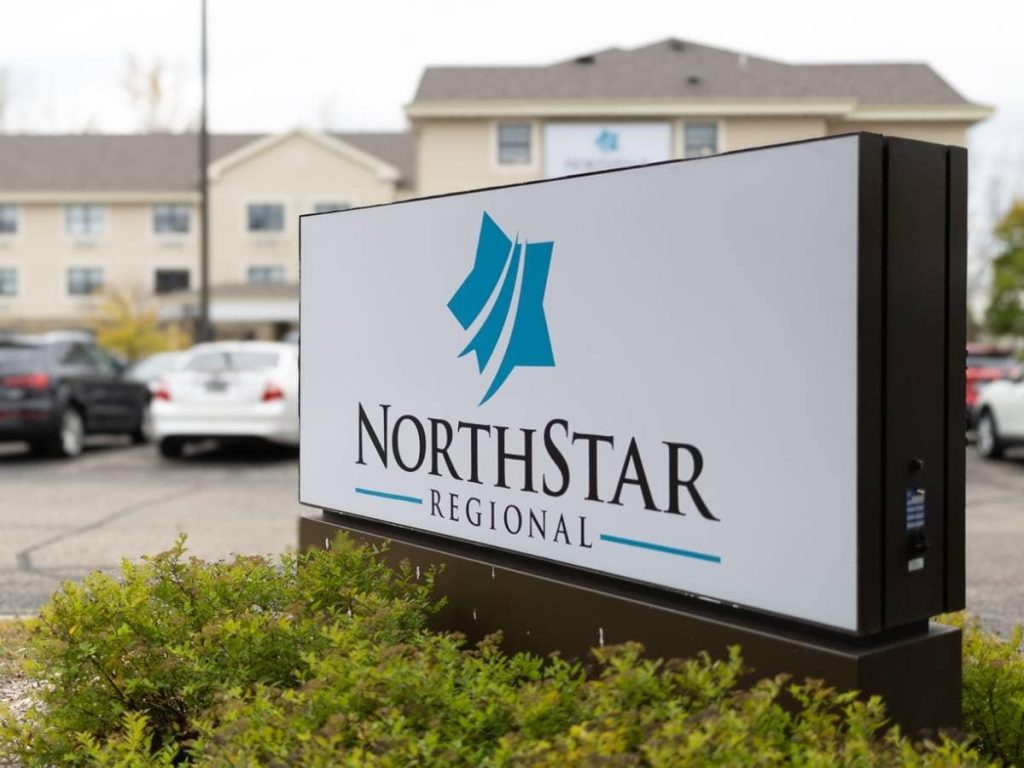
Medical detox + men’s care
Withdrawal Management Center | Eden Prairie
Where most people start: our only campus with medical detox, with nurses on site 24 hours a day.
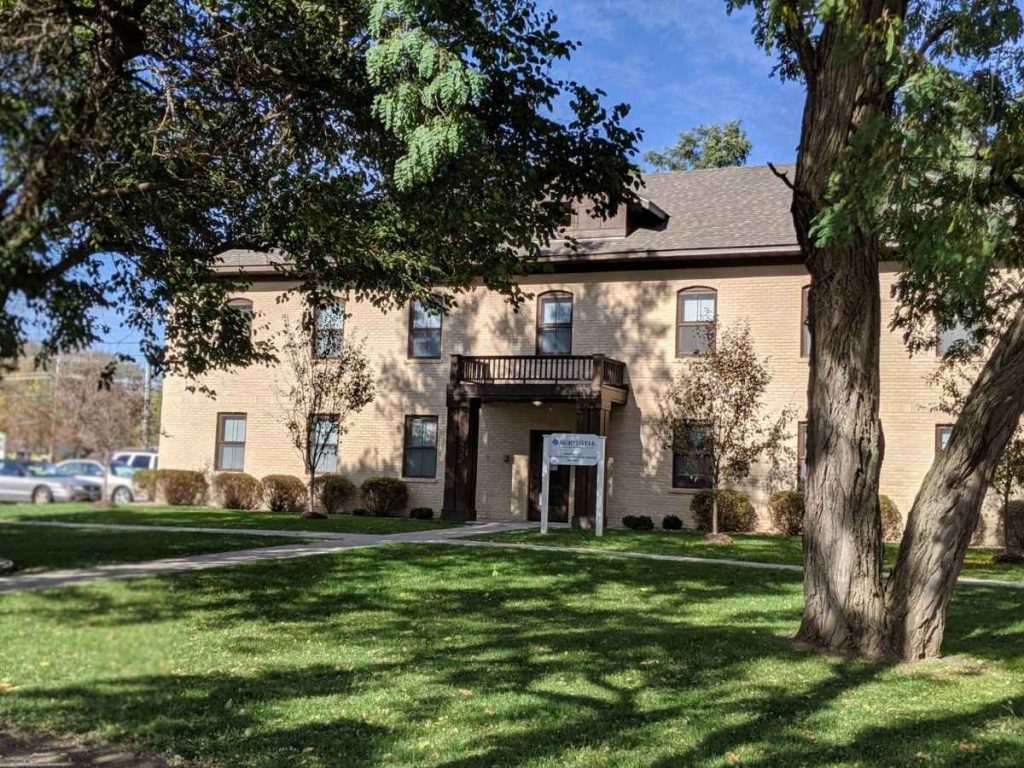
Men’s IOP with lodging
Men's Treatment Center | Chaska
Intensive outpatient therapy with a place to stay, so you can start recovery before you have housing lined up.
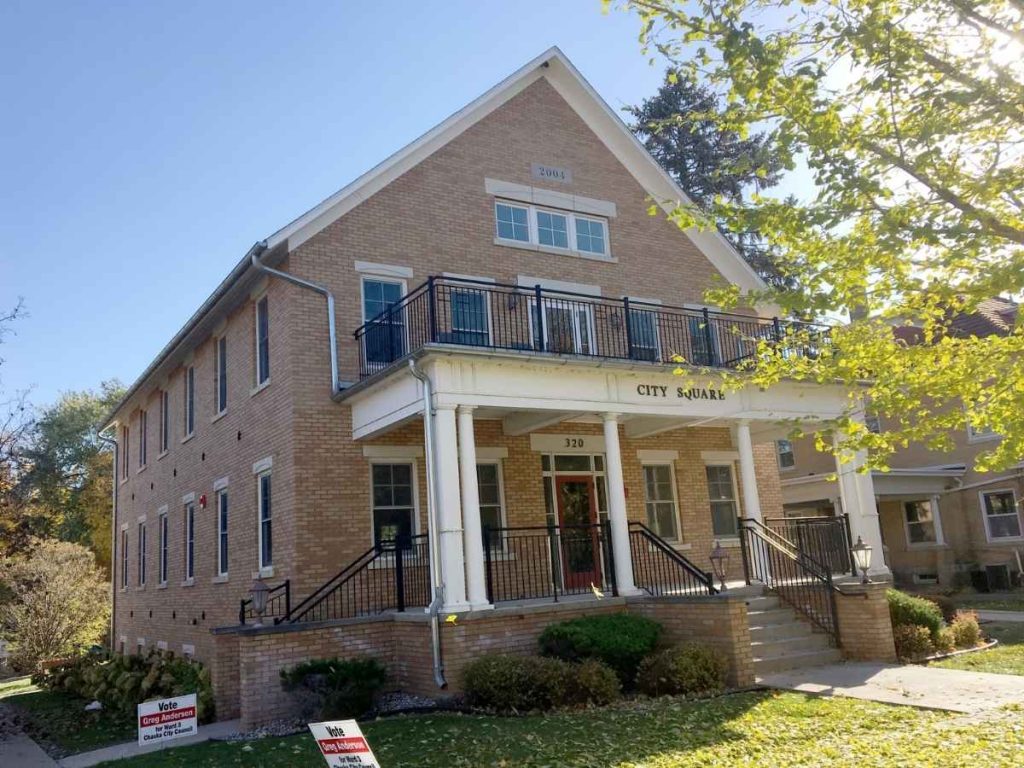
Women’s campus
Women's Treatment Center | Chaska
A fully separate women’s campus in downtown Chaska. The Klein Mansion lets women move from residential into IOP with lodging.

Men’s residential
Men's Treatment Center | Otsego
32 wooded acres on the river, with outdoor groups and a gym, serving the northwest metro.
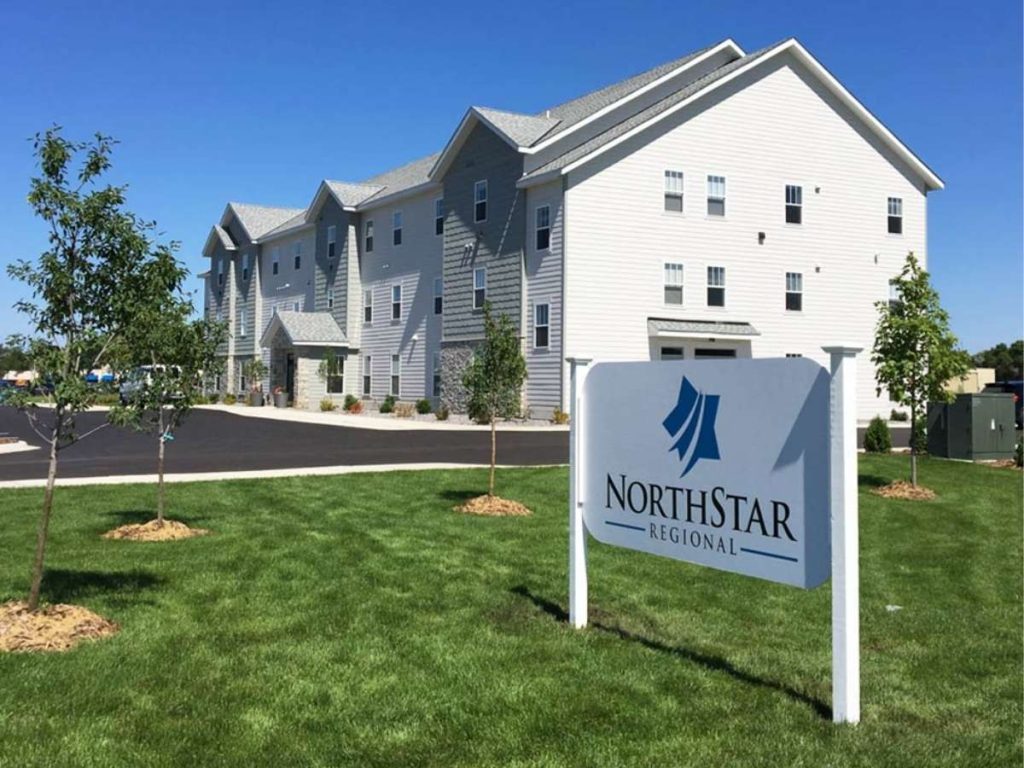
Men’s residential
Men's Treatment Center | Shakopee
A home on a residential street, not a hospital wing, minutes from our outpatient center.
Outpatient clinic
Outpatient Mental Health Clinic | Shakopee
Counseling, assessments, and standalone mental health care, in person or by telehealth. No established diagnosis needed to contact us.
Where treatment happens
The Programs That Treat Opioid Addiction
One continuum, entered where your assessment says it fits.
Stage one
Drug Detox
Medical care for opioid withdrawal. Nurses are on duty 24 hours a day at our withdrawal management center in Eden Prairie.
The core
Inpatient Rehabilitation
35 to 50 days of live-in treatment on separate men’s and women’s campuses.
The long game
Sober Living
Substance-free housing through our partner, as the last stage of care.
Who's behind the work
About NorthStar Regional
NorthStar Regional is Minnesota’s treatment system built around access: alcohol and drug treatment centers and mental health care across multiple Twin Cities metro locations. Founded in 2015, we provide one connected continuum: detox (withdrawal management), residential, outpatient, mental health, and a sober housing pathway. Separate men’s and women’s campuses, co-occurring care at designated programs, and no faith requirement set us apart. We accept Medical Assistance (Medicaid) and most major insurers, and if you are uninsured, our admissions team helps you through enrollment. A person can walk in with nothing and leave with everything they need to build a life.
Paying for Care
Insurance and Payment Options
Our team helps review your benefits and handles the paperwork with you. If you have no insurance, we help walk you through enrolling for benefits. County case managers, probation officers, hospitals, and crisis teams send clients to us because, in their words, we just get it done.

Insurance and State Funding
Commercial plans, Medical Assistance (Medicaid), county placements, and private pay. We verify benefits and handle the paperwork with you.
We Are Here to Help
We help review your benefits, find your right starting point, and schedule you for the same day or the next whenever possible. Then we pick you up anywhere in the Twin Cities metro.


How Admission Works
What Happens From Your First Call to Your First Night
You did the hard part when you picked up the phone. Here is exactly what happens next, so nothing about day one is a mystery.
You Call and a Real Person Answers
A real person answers, usually within seconds, and asks one short question: substance use, or mental health? There is no phone tree, and you don’t have to tell your life story. We ask only what we need and handle the rest.
We Help with the Details
Our team helps review your benefits, and a short screening covers withdrawal risk, medical needs, and mental health, so you land at the right level of care. Then we schedule you, same day or next day whenever possible.
We Pick You Up
You get reminder calls and texts. Before pickup, your admissions coordinator and your driver call you together, so you know the name, the car, and the timing before it’s in your driveway. In the car: water, Gatorade, snacks, and a bagged lunch. Your driver, most often someone in long-term recovery, helps with your bags.
A Real Person Meets You When You Arrive
Your driver walks you inside and hands you off by name to the team member waiting for you. Your intake team completes your application with you. If you’re hungry, there’s a meal waiting. Treatment starts, and you never carried the logistics.
“The client has done the hard work by picking up the phone. We will carry them the rest of the way.”
Sarah Roy, Executive Vice President
Reviews from Google
Why Clients Choose NorthStar Regional
Don’t just take our word for it. Here is what alumni say about their time in treatment.
Keep reading
Related Articles and Resources

Resources
Before You Call
How admissions works, guides for families, and the forms you can complete early. More resources are linked throughout the site, or contact admissions and we’ll send anything by email.
Questions we hear every day
Common Questions About Opioid Treatment
Do you treat fentanyl addiction?
Yes. Fentanyl is now behind most opioid addiction we treat, whether people sought it out or found it in fake pills. The treatment path is the same: medical detox, high-intensity residential treatment, and a long-term plan, started right away.
Do you treat heroin addiction?
Yes, along with addiction to prescription painkillers. The substance differs, but the condition and the treatment path are the same. No one at NorthStar Regional will treat you differently based on which opioid brought you here.
How bad is opioid withdrawal?
Awful but manageable with medical support. Aches, nausea, restlessness, and anxiety peak in the first days. Our detox manages symptoms around the clock, so withdrawal stops being the reason to keep using.
Do you offer Suboxone or methadone?
Suboxone, yes. Methadone, no. Our medical partner offers medication-assisted options, such as naltrexone and buprenorphine (Suboxone), where they fit your plan. We do not offer methadone, but if you need methadone maintenance, we will say so and point you to the right place.
Can you treat pain and addiction at the same time?
Yes. The plan covers both. Many opioid problems began with real pain, and acting as if they did not fails people. Your assessment covers your pain history, and the clinical team builds your recovery around handling pain without opioids.
What about the depression underneath?
We treat it in the same plan. Most people we treat for opioids are also dealing with depression, anxiety, or trauma, and designated programs include co-occurring care from a mental health professional. Treating half the problem doesn’t work.
Does insurance cover opioid treatment?
Coverage depends on your plan, the service, eligibility, and authorization requirements. Our team helps review your benefits and available payment options. Benefits verification is not a guarantee of payment.
Admissions
Make the First Call and We'll Take It from There
Confidential, no obligation, and answered by someone who knows what you’re facing and cares to listen.