
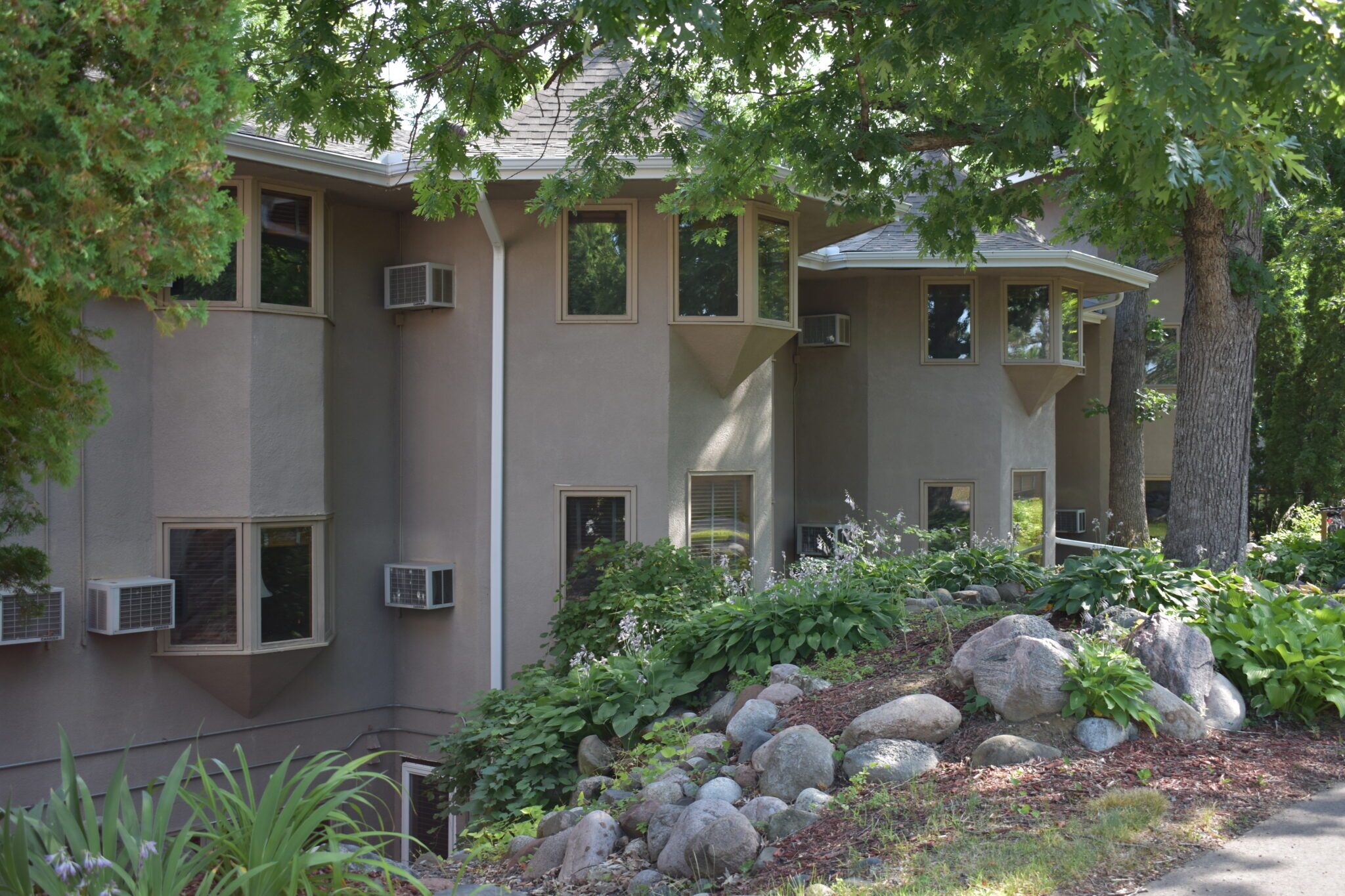
Addiction Treatment in Minnesota
NorthStar Regional’s addiction treatment in Minnesota covers alcohol, opioids, meth, cocaine, benzodiazepines, marijuana, and club drugs, all inside one system. Our Twin Cities campuses serve adults 18 and older from Minneapolis, Saint Paul, and the towns around them. The substance shapes the medical details, but the plan is built around you, starting with a full assessment. Care runs from detox (withdrawal management) through residential, outpatient, and a sober housing pathway, with the depression or trauma underneath treated too. We accept Medical Assistance (Medicaid) and most major insurers, and no number of past tries counts against you.
Licensed Treatment Programs

Founded 2015
Addiction and mental health care in one system

Multiple Campuses
Across the Twin Cities metro

MN Department of Health: Licensed
MN Department of Human Services: Licensed
Find what you need
What We Treat by Substance
Each substance below is covered in full: what it does, the signs, and exactly how treatment works.
The most common
Alcohol Addiction
The socially accepted addiction. Also the one where withdrawal can be a medical danger. Detox through sober living.
The urgent one
Opioid Addiction
Painkillers, heroin, and fentanyl. Medical detox and a plan built for the fentanyl era.
The long recovery
Meth Addiction
Recovery from meth is real. It takes structure and time, and we provide both.
The fast loop
Cocaine Addiction
Built for the binge-crash cycle, powder and crack alike.
The prescription trap
Benzodiazepine Addiction
Xanax, Ativan, and Klonopin. A safe taper with medical care, plus real help for the anxiety.
The legal one
Marijuana Addiction
Marijuana is legal now, but you can still become dependent on it. Help for cannabis dependence.
The scene
Club Drugs
MDMA, ketamine, GHB: treatment for the weekend cycle and the crashes that follow.
Not sure where you fit?
Comprehensive Assessment
One structured conversation that sorts what’s happening and what would help.
The family door
Help for a Loved One
You can start before they say yes: guides for parents, spouses, and partners of someone using.
Multiple Substances
Substance Use Disorders: Different Substances But the Same Illness
A substance use disorder is a medical condition, not a character flaw. It changes how the brain handles reward and stress, and it shows up the same way no matter the substance. Use goes on despite the harm, control keeps slipping, and daily life slowly rebuilds itself around the next dose. The substance does matter for the medical details, like withdrawal risk and how long it takes to get stable. Each one is covered below. What it does not change is what recovery takes: enough time to heal, real structure, treatment for the mental health underneath, and people who support you. Most clients we see use more than one substance, so the plan is built for the person, not the drug.
That is why NorthStar Regional is built as one system, not one program. It covers every level of care, from detox to aftercare. Withdrawal management is there when withdrawal needs managing, and high-intensity residential treatment is where treatment starts. Residential and outpatient stages follow as you need less support. Sober living gives you a stable place to live while you keep recovering. You enter wherever your comprehensive assessment says fits. Each stage gives you more freedom, and many of the people beside you have been through recovery themselves.
Treating Addiction and Mental Health Together
Most clients arrive with two conditions: the substance use disorder, and the depression, anxiety, or trauma it was managing. Mental health issues and addiction make each other worse, so co-occurring disorders get one assessment, one plan, and one team, and one program when that’s what fits. Co-occurring means a mental health condition and a substance use problem at the same time. Support for the family is included. Treating half the problem doesn’t work, but treating both gives recovery a real chance.
Dual Diagnosis
Explore Addiction Treatment and Mental Health Services
Every condition we treat is explained in depth. Addiction services are on one side, mental health services on the other, and one treatment system is behind both, for Minneapolis families and readers across Minnesota. Referring providers use this list every week. Families can too.
Addiction Treatment by Substance
Mental Health Services by Condition
Where you can get help
Our Treatment Center Locations
Co-occurring addiction and mental health care is available at designated programs, and standalone mental health services are available at our outpatient clinic in Shakopee. Your comprehensive assessment matches you to the right location and level of care. All campuses are in the Twin Cities metro, within a short drive of Minneapolis and Saint Paul.
Medical detox + men’s care
Detox Center in Eden Prairie, MN
Where most Minneapolis-area clients start. Our only campus with medical detox, with nurses on site 24 hours a day.
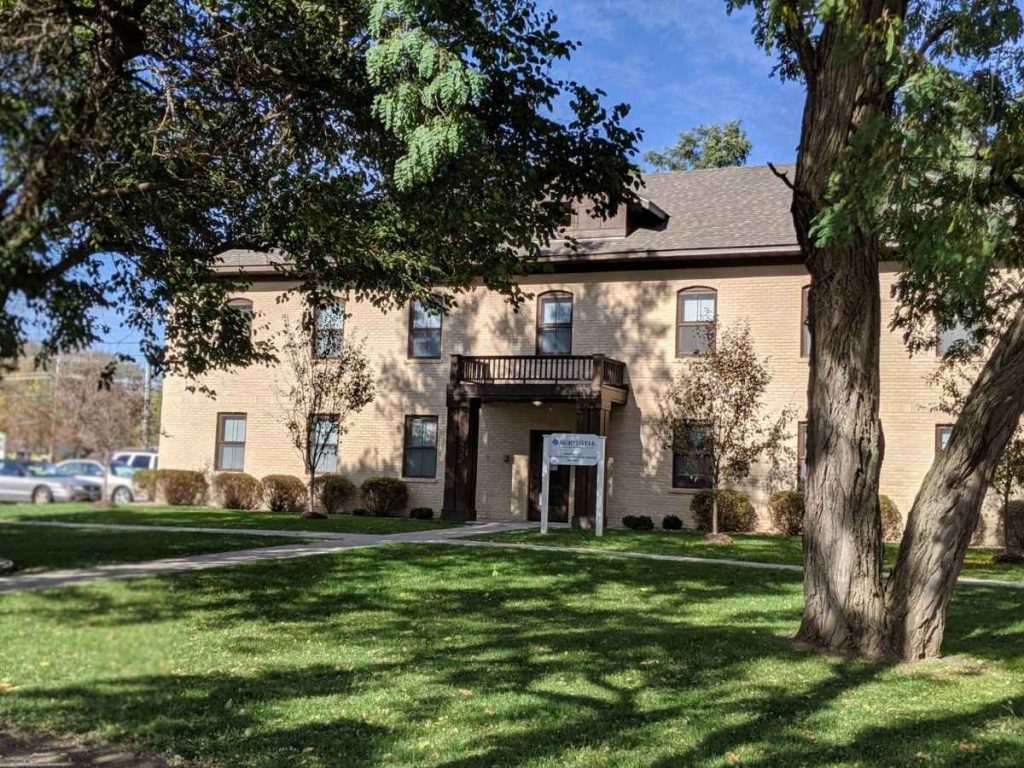
Men’s IOP with lodging
Men's Treatment Center | Chaska
An intensive outpatient program with a place to stay. You can start recovery before housing is sorted out.
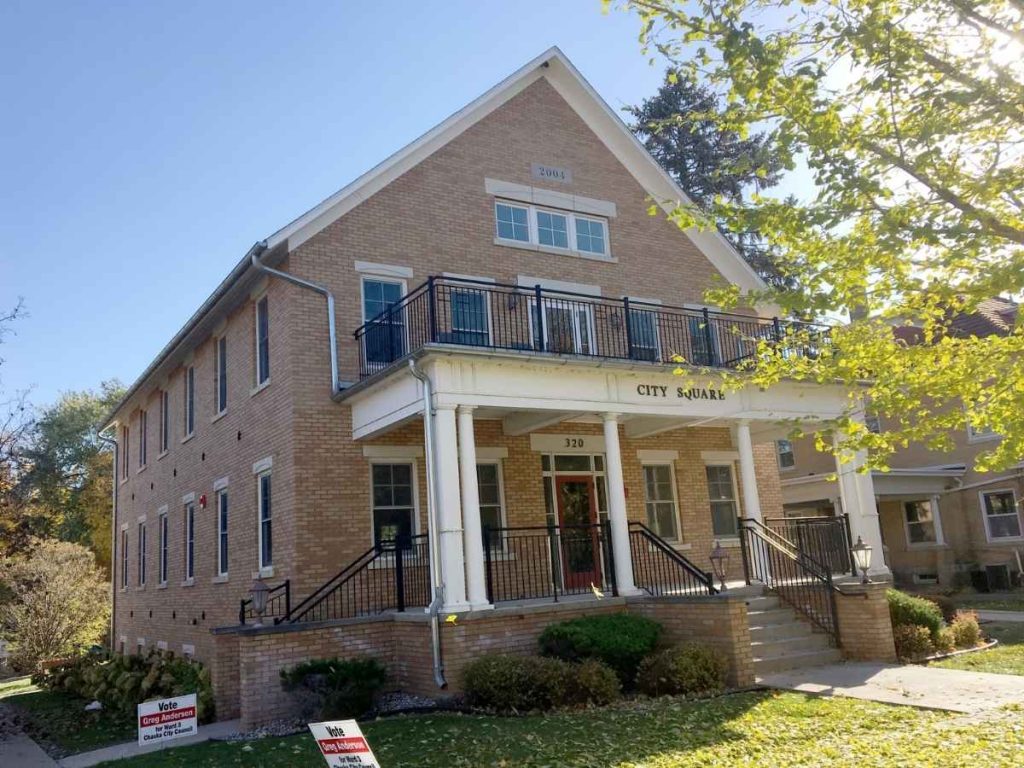
Women’s campus
Women's Treatment Center | Chaska
A fully separate women’s campus in downtown Chaska. The Klein Mansion lets women move from residential into IOP with lodging.
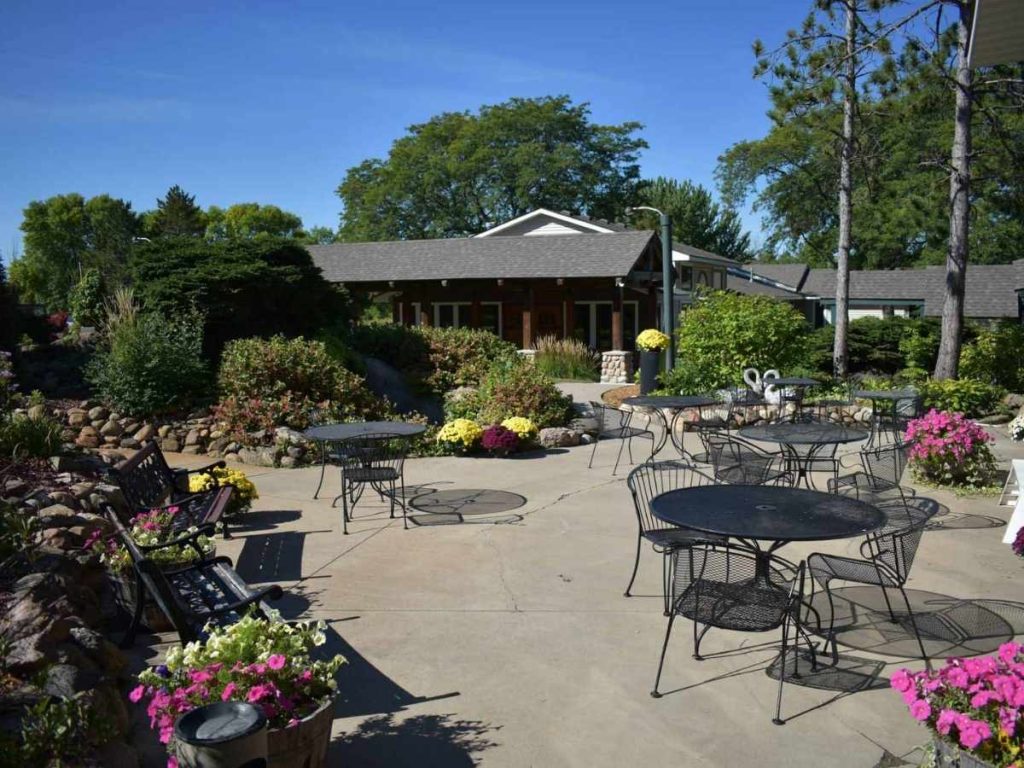
Men’s residential
Men's Treatment Center | Otsego
32 wooded acres on the river, serving the northwest Minneapolis metro. Outdoor groups and a workout space.
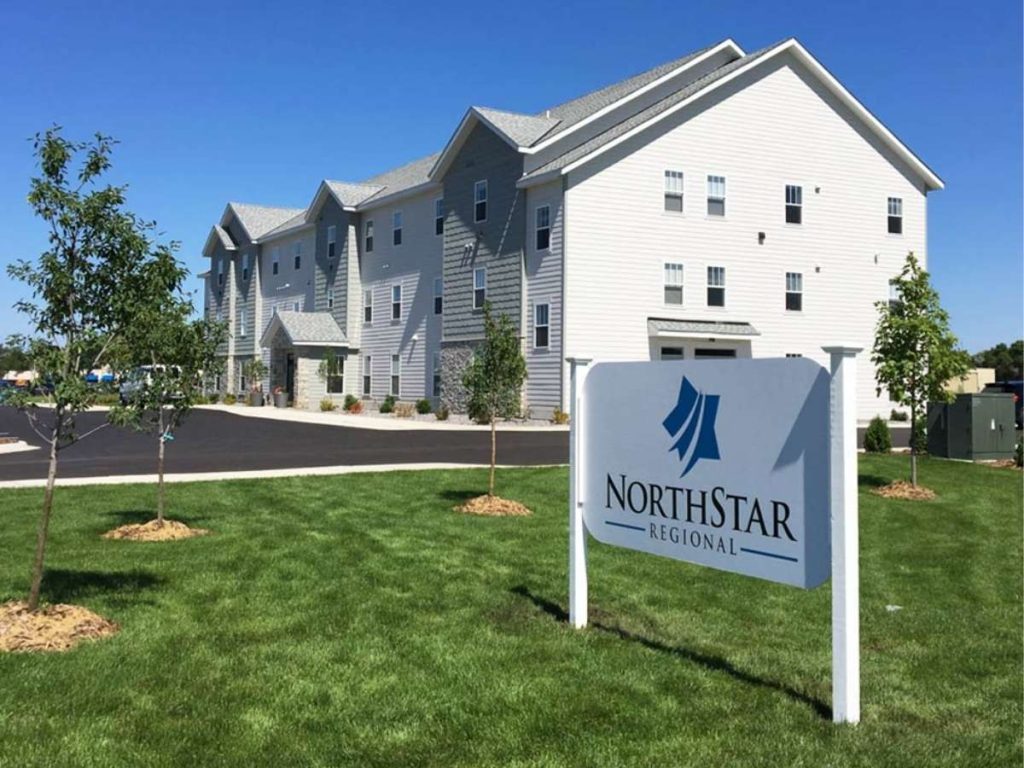
Men’s residential
Men's Treatment Center | Shakopee
A home on a residential street, not a hospital wing, minutes from our outpatient center.
Outpatient clinic
Outpatient Mental Health Clinic | Shakopee
Counseling, assessments, anger management, and mental health care on its own. Come in person or by telehealth (video or phone sessions). No established diagnosis is needed to contact us.
Where treatment happens
The Addiction Treatment Programs Behind Every Substance We Treat
One continuum of programs. You enter at whatever stage your assessment says fits.

About 3 to 7 days
Medical Detox
Safe drug and alcohol withdrawal with 24-hour nursing at the withdrawal management center in Eden Prairie, for alcohol, opioids, and benzodiazepines.
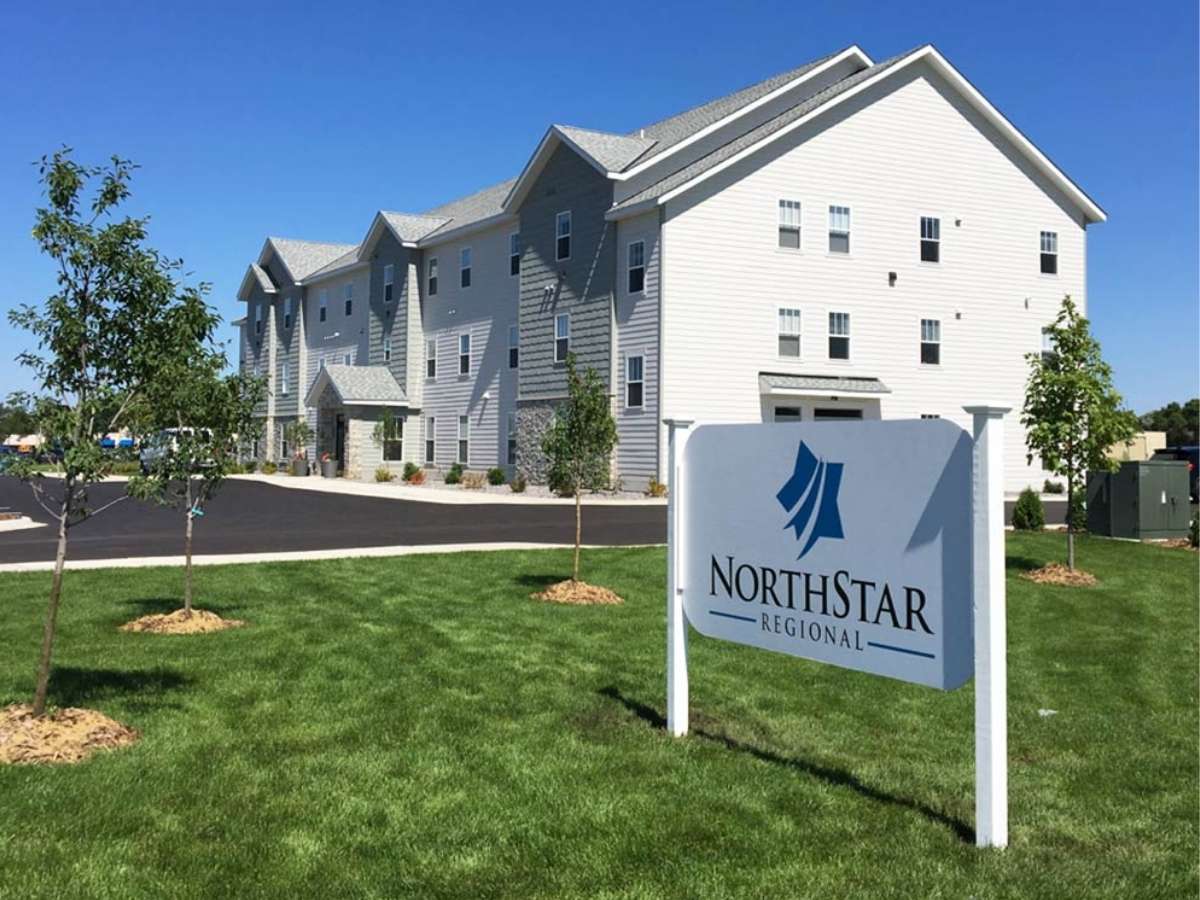
About 35 to 50 days
Inpatient Rehabilitation
The flagship program: 35 to 50 days of live-in treatment on separate men’s and women’s campuses.
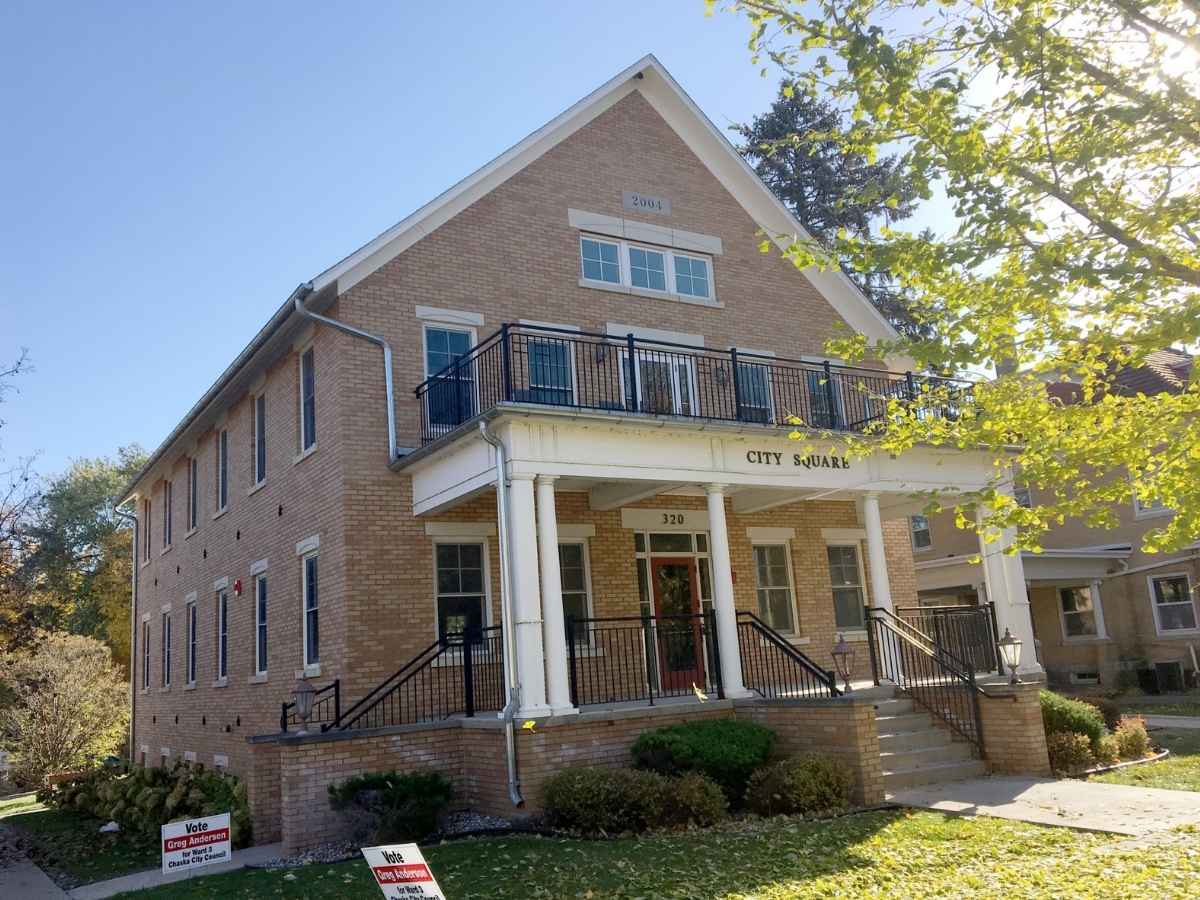
85 to 105 connected days
Low-Intensity Residential Treatment
A home with recovery support while you build back your own life.

With or without lodging
Intensive Outpatient
Outpatient treatment that fits around work and family, with a place to stay if needed.

6 to 8 months or longer
Relapse Prevention
Weekly sessions and peer support through the months that matter most. We watch closely for early warning signs.
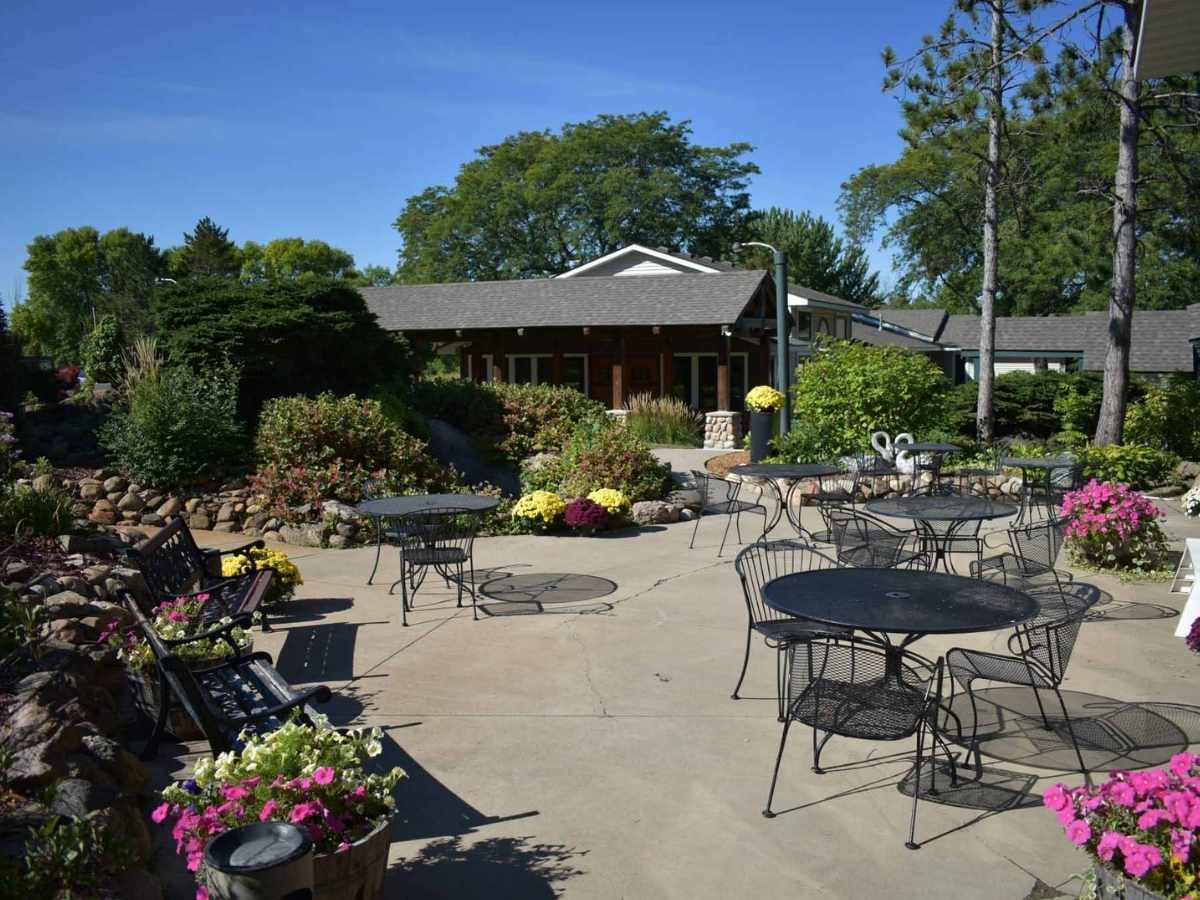
The rest of the way
Sober Living
Substance-free housing where recovery gets an address.
Who's behind the work
About NorthStar Regional
NorthStar Regional is Minnesota’s treatment system built around access: alcohol and drug treatment centers and mental health care across multiple Twin Cities metro locations. Founded in 2015, we provide one connected continuum: detox (withdrawal management), residential, outpatient, mental health, and a sober housing pathway. Separate men’s and women’s campuses, co-occurring care at designated programs, and no faith requirement set us apart. We accept Medical Assistance (Medicaid) and most major insurers, and if you are uninsured, our admissions team helps you through enrollment. A person can walk in with nothing and leave with everything they need to build a life.
Paying for Care
Insurance and Payment Options
Our team helps review your benefits and handles the paperwork with you. If you have no insurance, we help walk you through enrolling for benefits. County case managers, probation officers, hospitals, and crisis teams send clients to us because, in their words, we just get it done.

Insurance and State Funding
Commercial plans, Medical Assistance (Medicaid), county placements, and private pay. We verify benefits and handle the paperwork with you.
We Are Here to Help
We help review your benefits, find your right starting point, and schedule you for the same day or the next whenever possible. Then we pick you up anywhere in the Twin Cities metro.


How Admission Works
What Happens From Your First Call to Your First Night
You did the hard part when you picked up the phone. Here is exactly what happens next, so nothing about day one is a mystery.
You Call and a Real Person Answers
A real person answers, usually within seconds, and asks one short question: substance use, or mental health? There is no phone tree, and you don’t have to tell your life story. We ask only what we need and handle the rest.
We Help with the Details
Our team helps review your benefits, and a short screening covers withdrawal risk, medical needs, and mental health, so you land at the right level of care. Then we schedule you, same day or next day whenever possible.
We Pick You Up
You get reminder calls and texts. Before pickup, your admissions coordinator and your driver call you together, so you know the name, the car, and the timing before it’s in your driveway. In the car: water, Gatorade, snacks, and a bagged lunch. Your driver, most often someone in long-term recovery, helps with your bags.
A Real Person Meets You When You Arrive
Your driver walks you inside and hands you off by name to the team member waiting for you. Your intake team completes your application with you. If you’re hungry, there’s a meal waiting. Treatment starts, and you never carried the logistics.
“The client has done the hard work by picking up the phone. We will carry them the rest of the way.”
Sarah Roy, Executive Vice President
Reviews from Google
Why Clients Choose NorthStar Regional
Don’t just take our word for it. Here is what alumni say about their time in treatment.
Keep reading
Related Articles and Resources

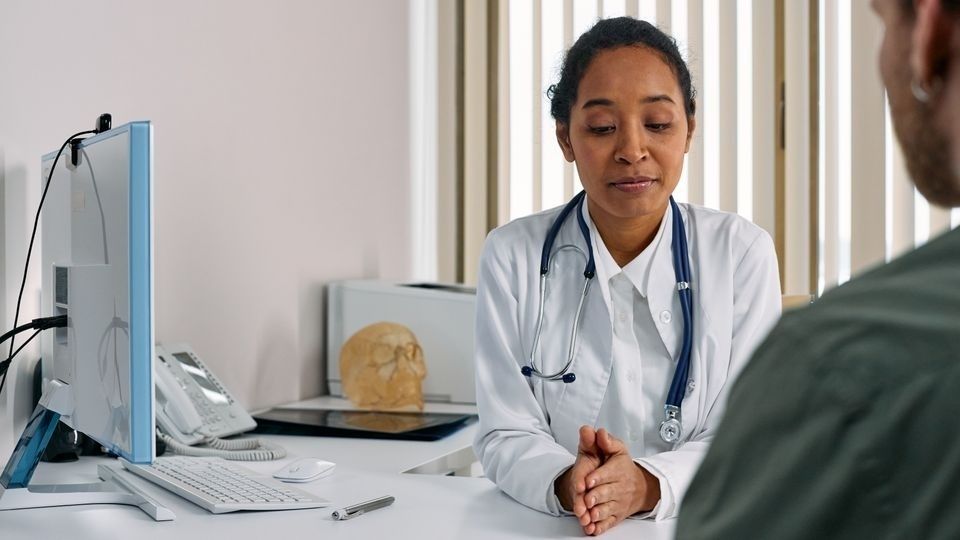
Resources
Before You Call
How admissions works, guides for families, and the forms you can complete early. More resources are linked throughout the site, or contact admissions and we’ll send anything by email.
Questions we hear every day
Common Questions About Addiction Treatment
What types of addiction does NorthStar Regional treat?
Alcohol, opioids (including fentanyl and heroin), methamphetamine, cocaine, benzodiazepines, marijuana, and club drugs. We also treat the mixes, since most real use involves more than one. Each is covered in depth above. Every one is treated in the same system of care.
When does drug use need rehab?
Drug use needs rehab when the harm keeps growing and you keep trying to quit but can’t. It looks like mornings spent getting over the night before, promises to yourself that keep getting broken, and work and relationships suffering. That is what a substance use disorder looks like to the person living it. If drug use has you asking the question, a free talk with our admissions team is the way to find the answer. When you are ready, a comprehensive assessment makes it official.
What makes NorthStar Regional different from other treatment centers in Minnesota?
Every level of care, from detox to aftercare. Detox, high-intensity residential treatment, residential care, outpatient programs, relapse prevention, and sober living all sit inside one system, so no one moves on into a gap. Add co-occurring mental health care at designated programs, and admissions that answer in seconds and move the same day. Compare any treatment center in the state on those three things and you will know where to go.
Do you have locations outside the Twin Cities, like Rochester, MN, or Duluth?
No. Our campuses cluster in the southwest and northwest Minneapolis-Saint Paul metro, and telehealth services serve any MN adult statewide. If getting here is the problem, say so. We’ll talk through it with you, and if we’re not the practical choice, we’ll help you find a program that is.
How do I know which level of care I need?
You don’t have to know, because the comprehensive assessment finds that out for you. We do it as part of admission, or as a visit on its own. It looks at the substance use disorder, your health, your mental health, and your life. Then it tells you what fits, whether that is residential care or an outpatient program you attend around work each week.
Can you treat addiction and mental health together?
Yes. That’s the design. Depression, anxiety, trauma, and the other conditions are treated in the same plan as the substance use disorder, by the same team. Designated programs include co-occurring care, and that support is built into your plan.
How fast can treatment start?
Usually same day or next day, and our campuses accept admissions seven days a week. A person answers the phone in seconds and your insurance benefits are verified on that call. Then we pick you up, anywhere across the Minneapolis and Saint Paul metro, with the first 24 hours handled down to the ride and the meals. Being willing to get help is what matters most, so call while you feel that way.
Does insurance cover addiction treatment?
Coverage depends on your plan, the service, eligibility, and authorization requirements. Our team helps review your benefits and available payment options. Benefits verification is not a guarantee of payment.
Admissions
Make the First Call and We'll Take It from There
Confidential, no obligation, and answered by someone who knows what you’re facing and cares to listen.