
Anger and Emotional Regulation Counseling in Minnesota
Anger and emotional regulation counseling in Minnesota at NorthStar Regional is structured work with a licensed therapist, for adults whose temper is costing them. You learn your warning signs, map your triggers, and practice tools that hold at full temper. We also treat what fuels the anger, because depression, anxiety, trauma, and substance use often sit underneath. Private sessions run at our outpatient clinic in Shakopee, by secure video statewide, or inside any of our treatment programs. We accept Medical Assistance (Medicaid) and most major insurers. If a court or employer requires a specific class, confirm with us that this counseling meets the requirement before scheduling.
Anger management at a glance
Classes or therapy
Our view: if a class meets your goal or satisfies your court order, take the class.
Outpatient Mental Health Clinic | Shakopee
Private anger management sessions at our outpatient clinic in Shakopee.
Telehealth statewide
Secure video sessions from any place in Minnesota. Online therapy for anger works just as well as it does in the office.
Every treatment program
Anger work can be part of recovery care.
Licensed Treatment Programs

Founded 2015
Addiction and mental health care in one system

Multiple Campuses
Across the Twin Cities metro

MN Department of Health: Licensed
MN Department of Human Services: Licensed
What fuels it
Why Anger Builds and Why We Treat What's Underneath
Anger doesn’t come from nowhere. It builds from stress, lack of sleep, shame, substances or withdrawal from them, and old hurts that never got treated. Then it comes out at whoever is closest. Anger and emotional regulation counseling works on two things. The first is the outburst itself. You learn to notice physical warning signs earlier, use tools that work when you’re already angry, and stop before you lose control. The second is the cause, meaning whatever keeps the anger building in the first place.
Irritability is one of the most common signs of depression, especially in men. Anxiety that keeps building can come out as rage. Trauma can leave you on a hair trigger. We treat these conditions in the same plan as your anger, because managing anger alone won’t last if the cause is still there.
Is this right for you?
Signs Anger Is Controlling Your Life
Everyone gets angry. Anger and emotional regulation counseling is for when anger runs your life. It should be one feeling among many.
The Fuse Is Shorter Than It Used to Be
Things that caused mild irritation five years ago set you off now. Escalation is a pattern, and patterns can be interrupted.
The Aftermath Is Getting Expensive
Write-ups at work, a marriage in trouble, a pending charge. When angry outbursts start costing things you can’t get back, it is time for more than self-help.
People Are Careful Around You
The house goes quiet when your car pulls in. When the people who love you tiptoe around you, they are scared, and that is a reason to act.
Anger Always Goes First
Grief, fear, shame, hurt. Every other feeling comes out looking like anger. If anger is the only one that ever shows up, something underneath needs care.
Substances and Temper Feed Each Other
Drinking loosens the temper; the wreckage justifies the drinking. Counseling can address both.
Someone Gave You an Ultimatum
A court, an employer, a spouse. Plenty of people arrive at anger management required to come, and leave glad they did. The skills work either way.
Recognizing yourself in even a few of these is reason enough to seek therapy. You don’t need to be certain, and you don’t need a diagnosis: a comprehensive assessment sorts out where anger management fits in your care. Reading this for someone you love? Start with our guide for parents or our guide for spouses and partners.
The mechanics
What Happens in Your Body When You Get Angry
Anger is a normal human emotion, and feeling it does not make you broken. When you get angry, your body reacts before your mind does. Heart rate climbs, blood pressure rises, and adrenaline surges, which is why the urge to act arrives faster than the ability to think. The trigger can come from outside, like a traffic jam or a coworker who knows exactly which button to push. Or it can come from inside, like replaying an old memory until you are furious again.
Anger ranges from mild annoyance to full fury. The feeling itself was never the problem. What it costs you is. Anger that goes unmanaged for years wears on the body and on relationships. It often comes with conditions that need their own treatment. Those include depression, anxiety, PTSD, and bipolar disorder. That is why a real assessment by a mental health professional comes first here. Anger that keeps overpowering your self-control is often the visible edge of something we can treat.
The method
How Does Anger and Emotional Regulation Counseling Work?
Anger responds to structure. Anger and emotional regulation counseling is structured work with a licensed therapist. It works when the skills get practiced, not just explained. Here is what it looks like at NorthStar Regional, in the office or by telehealth.
Learning Your Own Warning Signs
It starts with awareness. You learn your build-up pattern, the body cues you now miss, and the point where you lose control. Then you can learn to act before you reach it. Awareness alone is not enough, but nothing else works without it.
Identifying Triggers
Getting specific: which situations, which people, which replays in your own head. Then we build a plan for each one, because a plan made when you are calm beats a decision made at full temper.
Changing the Thinking
When the inner voice says everything is ruined, we work on trading that script for a more balanced one. Thought patterns like catastrophizing and assuming the worst about people are habits, and habits can be retrained. This is not about dismissing your thoughts. It is about noticing how they shape your reactions.
Tools That Hold Under Pressure
Skills that work when you are already angry: breathing done right, and ways to stay calm until the worst of the anger passes. Stress management for the pressure underneath, problem solving for what can be fixed, and coping skills for what cannot. Practical tools, practiced until they work in real life.
If the pattern was learned early, trauma skills work looks at where it started. If you mainly need new skills, CBT and DBT make up more of the plan. The mix depends on you, and the goal is the same: anger that tells you something is wrong without harming you or the people around you. That is the difference between holding anger in and handling it well.
How It Helps
Treating Anger, Addiction, and Mental Health Together
Substances loosen the grip on anger. Anger becomes the excuse for the next drink or the next use. Depression and trauma feed both. The same team can address the whole pattern, not just the outburst.
For Addiction
Every substance we treat, from the first assessment through sober living. Each is explained in depth, substance by substance.
For Mental Health
At designated NorthStar Regional programs, these conditions are treated together with addiction as co-occurring care, in one plan. Standalone mental health treatment, no substance use diagnosis needed, is available through our outpatient clinic in Shakopee.
What to expect
What to Expect in Anger and Emotional Regulation Counseling
Skills first, underneath second, repair third.
The Escalation Map
Your own pattern: what builds it, the body cues you now miss, and the point where you lose control. Then you can act before you reach it.
Tools That Hold
Ways to calm down that work at full temper, not just in the workbook. Practiced, rehearsed, and adjusted until they hold in daily life.
The Relationships
We also work on what anger has already cost you. That means repair skills to rebuild healthy relationships. It also means family sessions, and couples sessions when available and clinically appropriate, where they help.
Where You'll Find It at NorthStar Regional
Where Anger Management Happens
The clinic, the screen, or inside a treatment program.
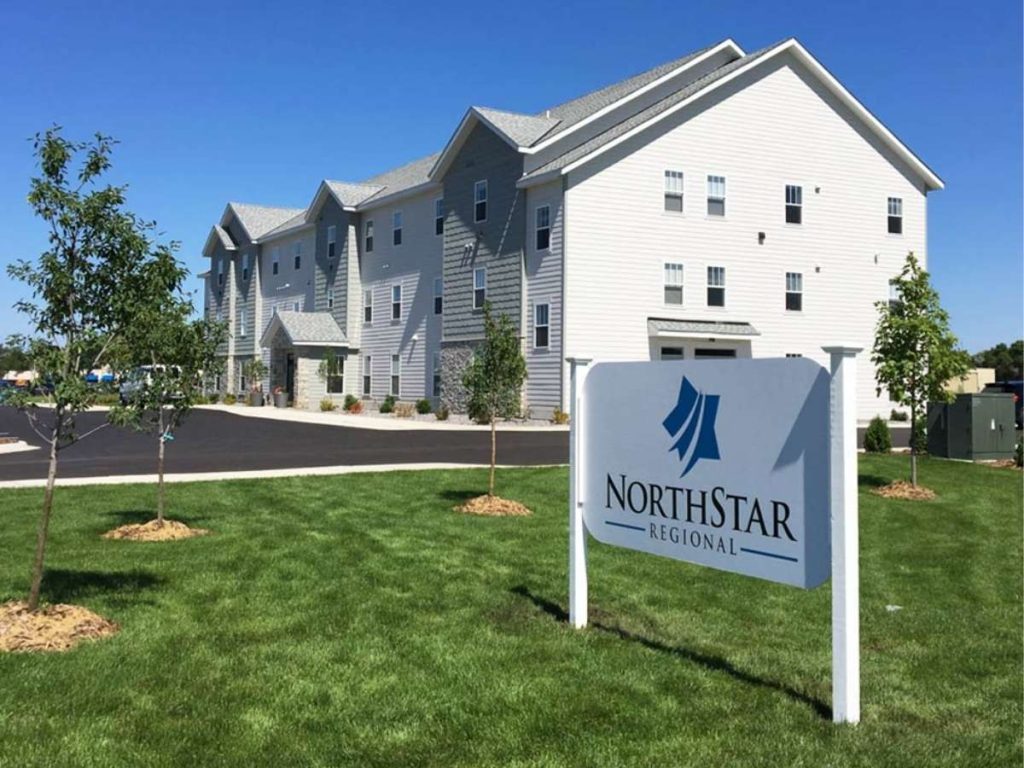
The clinic
Outpatient Mental Health Clinic | Shakopee
Private anger management sessions at our outpatient clinic in Shakopee.

Inside recovery
Every Treatment Program
Anger work can be part of recovery care.
Treatment Options
Explore Our Addiction and Mental Health Therapies
Recovery is rarely built on a single method. These are the addiction and mental health therapies and services available across NorthStar Regional, each explained in depth, and your comprehensive assessment determines the combination your treatment plan starts with.
The therapies
The standalone services
Who's behind the work
About NorthStar Regional
NorthStar Regional is Minnesota’s treatment system built around access: alcohol and drug treatment centers and mental health care across multiple Twin Cities metro locations. Founded in 2015, we provide one connected continuum: detox (withdrawal management), residential, outpatient, mental health, and a sober housing pathway. Separate men’s and women’s campuses, co-occurring care at designated programs, and no faith requirement set us apart. We accept Medical Assistance (Medicaid) and most major insurers, and if you are uninsured, our admissions team helps you through enrollment. A person can walk in with nothing and leave with everything they need to build a life.
Paying for Care
Insurance and Payment Options
Our team helps review your benefits and handles the paperwork with you. If you have no insurance, we help walk you through enrolling for benefits. County case managers, probation officers, hospitals, and crisis teams send clients to us because, in their words, we just get it done.

Insurance and State Funding
Commercial plans, Medical Assistance (Medicaid), county placements, and private pay. We verify benefits and handle the paperwork with you.
We Are Here to Help
We help review your benefits, find your right starting point, and schedule you for the same day or the next whenever possible. Then we pick you up anywhere in the Twin Cities metro.


How Admission Works
What Happens From Your First Call to Your First Night
You did the hard part when you picked up the phone. Here is exactly what happens next, so nothing about day one is a mystery.
You Call and a Real Person Answers
A real person answers, usually within seconds, and asks one short question: substance use, or mental health? There is no phone tree, and you don’t have to tell your life story. We ask only what we need and handle the rest.
We Help with the Details
Our team helps review your benefits, and a short screening covers withdrawal risk, medical needs, and mental health, so you land at the right level of care. Then we schedule you, same day or next day whenever possible.
We Pick You Up
You get reminder calls and texts before pickup. For residential, your admissions coordinator and your driver also call you together, so you know who’s coming, what car to look for, and when to expect them. Many of our drivers are in long-term recovery themselves, and yours will help with your bags.
A Real Person Meets You When You Arrive
Your driver walks you inside and introduces you by name to the team member waiting for you. Your intake team completes your application with you. If you’re hungry, there’s a meal waiting. From there, treatment starts, and we help take care of the logistics along the way.

“The client has done the hard work by picking up the phone. We will carry them the rest of the way.”
Sarah Roy, Executive Vice President
Reviews from Google
Why Clients Choose NorthStar Regional
Don’t just take our word for it. Here is what alumni say about their time in treatment.
Keep reading
Related Articles and Resources


Resources
Before You Call
How admissions works, guides for families, and the forms you can complete early. More resources are linked throughout the site, or contact admissions and we’ll send anything by email.
Questions we hear every day
Common Questions About Anger and Emotional Regulation Counseling
What is anger management?
Anger management is structured counseling that treats anger as a normal emotion that has become too strong. You learn what makes your anger build, such as stress, shame, old hurts, or substances, and how to notice it earlier. You also practice what to do in the moments that can damage relationships or put a job at risk.
Can people with anger issues change?
Yes. Anger issues are patterns, and patterns can change with practice. The first signs of progress are usually outbursts that are shorter, happen less often, and do less damage. You’ll still feel angry sometimes, and that’s normal.
Can I learn to control anger without bottling it up?
Yes. Holding anger in doesn’t make it go away, and it can come out later as health problems or get aimed at the wrong person. Here, learning to control anger means expressing it clearly and early, before it builds up and comes out on its own.
Do you accept court-ordered anger management referrals?
It depends on what your court order requires. Call us, and we’ll explain what our program includes, what documentation we send to the court, and whether our format meets the terms of your order.
What if there has been violence at home?
We will be honest: anger and emotional regulation counseling is not a domestic abuse program. Minnesota courts treat the two differently. If you have been physically violent or verbally abusive with a partner, say so when you call. Court-ordered domestic abuse programming is a distinct service, and an anger management class does not take its place. And if you are the one who is afraid: your safety comes first. Help exists whether or not the person who has been violent ever calls anyone.
How does anger relate to addiction?
The connection goes both ways. Substances make anger harder to control, and anger can become a reason to use (“I need something to calm down”). In recovery, untreated anger is a common relapse trigger. That’s why anger and emotional regulation counseling is often part of recovery care.
How does anger relate to mental health?
Anger is often the visible edge of something underneath. It can be depression that shows up as irritability, especially in men. It can be severe anxiety, or trauma that makes you react to small things. We treat those causes, not just the outburst.
What does the counseling look like?
Individual sessions or a group format, focused on skills. You learn to spot early body cues and calm down in ways that work under real pressure. The tools come from CBT (therapy that works on the thoughts behind your actions) and from DBT-informed skills, drawn from dialectical behavior therapy. You also learn to repair relationships already damaged.
How do I begin therapy for anger?
Start with a phone call. Let us know you want help with anger, and our team will help review your benefits, schedule an assessment, and match you with a counselor as soon as we can. You don’t need a referral or an existing diagnosis to contact us, and you won’t get a lecture.
Will insurance cover anger and emotional regulation counseling?
Often, yes, when it’s provided as mental health counseling. We accept Medical Assistance (Medicaid) and most major insurers. Our team can help review your benefits and explain what your plan covers.
Admissions
Make the First Call and We'll Take It from There
Confidential, no obligation, and answered by someone who knows what you’re facing and cares to listen.