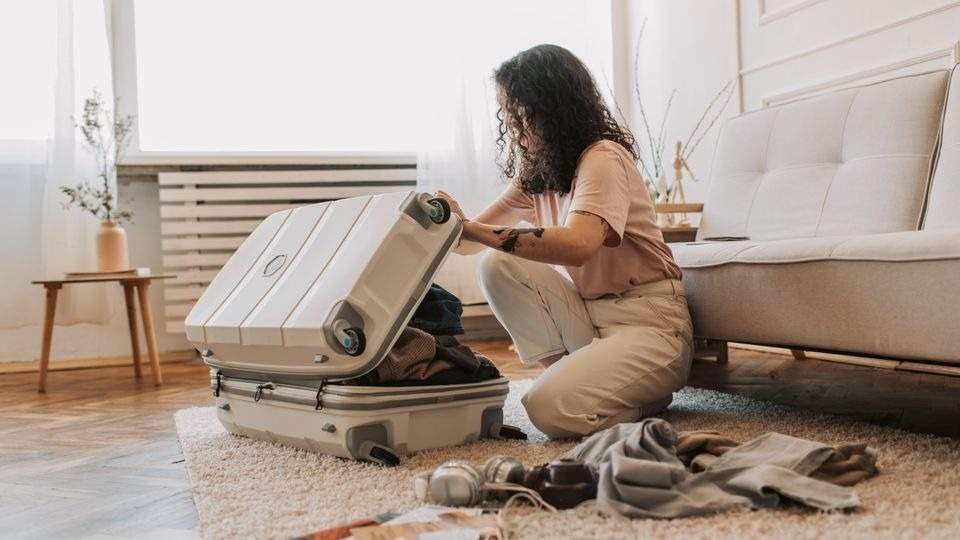

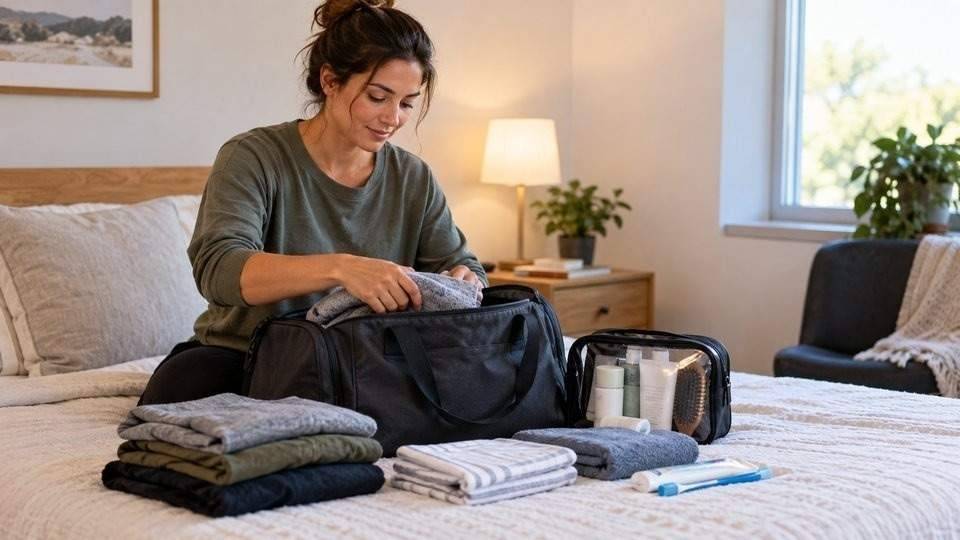
It is easy to pack too much for rehab, and just as easy to bring something the program does not allow. A short call to admissions before you leave can prevent both problems.
This is a practical packing checklist for inpatient rehab and residential treatment, covering what to bring to rehab and what to leave behind, plus something almost no other page covers: what Minnesota law says happens to your belongings once you hand them over.
Our what to bring to rehab page has our program’s own list, and this chapter covers the general rules and the reasoning behind them.
Before You Pack, Call the Program
Every facility’s policy is different, and the differences are not trivial. One treatment center may allow phones during set hours; another holds them for the entire stay.
Call the admissions team and ask for the list in writing. Two minutes on the phone prevents the most common problem, which is arriving with a bag that has to be sorted in the lobby.
This matters most for residential treatment and inpatient rehab. If you are in an outpatient program, what is iop or online rehab, there is usually nothing to pack at all.
Ask three things:
- What is prohibited, specifically
- What does the program provide, so you do not duplicate it
- How long is the expected stay, which decides how much to pack
The Rehab Packing List
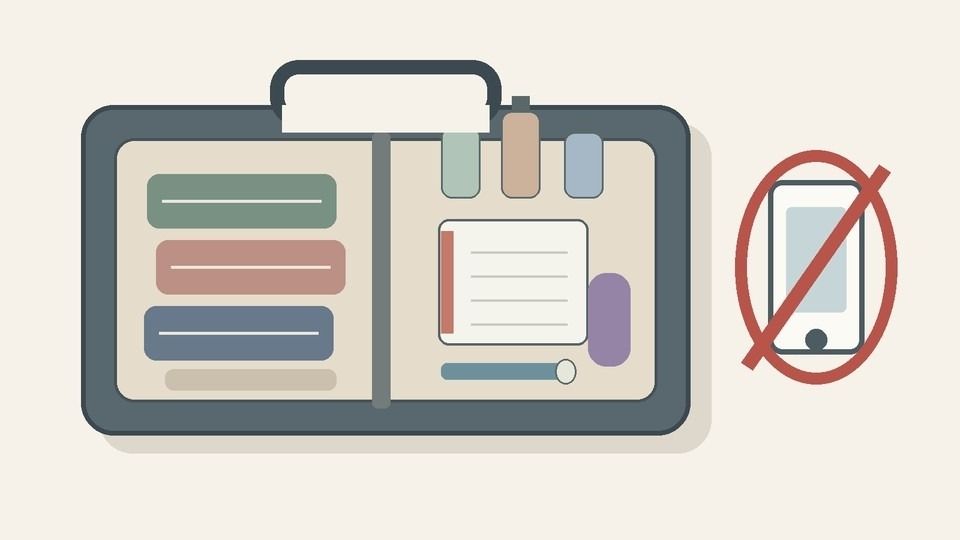
Pack light. A week’s worth of clothing is typically sufficient, because most facilities provide laundry access.
Essential Information and Documents
Ask admissions which documents you need to bring physically and which information should be provided before arrival. Requirements vary by program, and NorthStar’s current residential packing lists specifically advise clients not to bring valuables or important documents in their luggage.
Depending on the program, admissions may ask for:
- A photo ID or other identifying information
- Insurance, Medical Assistance, or pharmacy coverage information
- Emergency contact information
- The name and phone number of your pharmacy
- Court, probation, employer, or leave paperwork when it is relevant to the admission
Write down important phone numbers on paper if the program may hold your cell phone. Ask admissions what documents should come through the door with you and what should stay safely at home.
Prescription Medications
Medication rules are one of the most important things to confirm before arrival. Do not repackage prescription medication unless the program tells you to. Many facilities want medications in their original pharmacy-labeled containers so staff can verify the medication, dose, and prescribing instructions.
- Bring the supply the program requests; NorthStar Regional’s current residential lists ask for a 30-day supply when possible
- Bring or provide an up-to-date medication list with doses and timing
- Ask what to do with medications that cannot be supplied in their original packaging
- Ask before bringing over-the-counter medications, vitamins or supplements; NorthStar’s current residential lists prohibit nonprescription supplements
Do not assume loose pills, pill organizers, or unlabeled containers will be accepted. Call admissions if there is any question rather than changing how you normally receive or store a medication on your own.
Comfortable Clothing
Seven days of clothes is plenty. Think practical rather than presentable.
- T-shirts, sweatshirts, and comfortable everyday wear in breathable fabrics
- Workout clothes, since movement and recreation therapy are on most schedules
- One modest outfit for special occasions, such as family day or a graduation
- Comfortable shoes for walking, plus flip-flops or shower sandals for shared bathrooms
- Enough socks and underwear for a week
- A jacket and weather-appropriate clothing for the season
- Pajamas and a robe
Programs generally prohibit clothing with drug or alcohol references, offensive language, or anything revealing. Programs running gender specific addiction treatment sometimes set their own dress standards on top of that. Leave it at home rather than arguing about it at intake.
Personal Hygiene and Grooming Tools
Bring basic toiletries, and check the alcohol rule first.
- Toothbrush, toothpaste, shampoo, conditioner, and body wash
- Deodorant, lotion, lip balm
- Feminine hygiene products, since programs do not always stock them
- A hairbrush, comb, and hair ties
- Shaving cream and an electric razor, or disposable razors if permitted
- Nail clippers, if allowed
Check labels before you pack. Alcohol rules rule out a surprising number of mouthwashes, hand sanitizers, perfumes, and hairsprays.
Comfort and Personal Items
Bring only comfort items that appear on the program’s approved list. Items might include a clock or small fan and downtime activities such as books, puzzles, and sketchbooks. Depending on the location, other personal items may need approval.
Ask before bringing:
- Printed photos
- Stationery and stamps
- Reusable cups or water bottles
- Music players or any other electronic device
- Cash or payment cards
- Extra bedding
NorthStar provides bedding and one pillow at its current residential locations but allows clients to bring additional approved bedding. Storage space is limited, so comfort items are useful only if the program allows them and you have room for them.
What Not to Bring to Rehab
Prohibited items exist to ensure safety, not to be difficult. The list of prohibited items is longer than most people expect. Most rules trace back to protecting other clients as much as you.
Usually Prohibited for Safety
- Alcohol, illicit drugs, and drug paraphernalia
- Weapons and items the facility identifies as capable of causing serious harm
- Alcohol-containing products when prohibited by the facility
Commonly Restricted but Program-Specific
- Cell phones, smart watches, laptops, tablets and other electronics
- Razors and other sharp grooming tools
- Nicotine products, including cigarettes and vapes
- Food, snacks and outside beverages
- Supplements, energy drinks and similar products
- Candles, incense, aerosols and other fire or safety hazards
- Valuables and important documents
- Games, athletic equipment and other recreational items
Do not assume a restriction used at one location applies at another. Even NorthStar’s current residential packing lists differ by site on food, drinks, and nicotine products. The chapter on can you have your phone in rehab covers phone access and internet rules in detail.
Packing for a Minnesota Winter
If you are entering a live-in Minnesota program during cold weather, ask whether you will spend time outdoors and pack for the season rather than the temperature on admission day. Consider:
- A winter coat
- Hat, gloves and a scarf
- Weather-appropriate boots with traction
- Warm layers
- Extra socks
Outdoor activities, appointments and smoking policies vary by facility, so ask what winter clothing the program recommends. If a family member is packing for you, send them the facility’s current written list.
What Minnesota Law Says About Your Belongings

Here is the part no competitor page covers. Your possessions are not simply at the program’s discretion. State law sets rules.
You Can Keep Your Things Within Limits
For residents covered by Minnesota’s Health Care Bill of Rights, the law says patients and residents may retain and use personal clothing and possessions as space permits. The exceptions are when doing so infringes on the rights of others or is medically or programmatically contraindicated for documented medical, safety or programmatic reasons [1]. Covered facilities must also provide a central locked depository or individual locked storage where residents can keep valuables for safekeeping [1].
Licensed residential SUD programs have additional authority under section 245G.21 to establish personal-property policies that protect treatment activities and other clients’ rights and to take temporary custody of property when a facility policy is violated [2]. So the law protects access to personal belongings, but it does not eliminate a residential program’s ability to maintain a written prohibited-items policy.
What Happens to What the Program Holds
Minnesota’s rules for licensed residential substance use treatment programs are specific about client property [2]:
- A program may establish policies on personal property when needed to protect treatment activities or other clients’ rights
- It may take temporary custody of property when a client violates a facility policy
- Property held in trust generally must be returned at service termination regardless of how the treatment episode ended
- If you received room and board from the license holder and do not reclaim your property when services end, the program must keep it for at least 30 days
- If you did not receive room and board from the license holder, the minimum unclaimed-property period is seven days
There are exceptions. Forfeitable drugs, drug paraphernalia, and drug containers may be transferred to law enforcement or destroyed as permitted by law. Weapons, explosives, and other property capable of causing serious harm must be transferred to law enforcement. A medication may be destroyed if a physician, advanced practice registered nurse, or physician assistant determines after examining the client that it would be harmful, unless the client’s own medical provider approves continued use [2].
For someone leaving residential treatment quickly, the important number is usually 30 days, not seven.
Your Money
Programs that hold client funds have to follow separate rules [3]:
- Receipt and disbursement of your funds or property must be documented immediately, with signatures
- Funds and property must be returned on request as soon as possible, and no later than three working days
- Staff cannot borrow money from you, buy items from you, or sell you merchandise or services
- Your funds must be kept separate from the facility’s
Ask for the receipt when you hand anything over. A program following the rules will already be writing one.
Preparing for the Admissions Process
Packing is only one part of getting ready. Before admission:
- Arrange work leave, childcare, and pet care when possible
- Tell the people who need to know about the stay
- Set up payments or other responsibilities that could lapse while you are away
- Pack from the program’s written list rather than from a generic checklist
- Follow the admissions team’s instructions about medications, meals, transportation, and arrival time
Intake usually includes paperwork, review of belongings, and clinical or health-related admission steps, but the process varies by program. Knowing the facility’s instructions before you arrive makes the first day easier.
What the Program May Provide
Do not assume a facility provides the same supplies as another treatment center. Check the written list before buying or packing duplicates.
NorthStar Regional’s current residential packing lists say that clients have access to laundry facilities and detergent and that NorthStar provides bedding and one pillow. Clients are asked to bring their own towel and toiletries. Food, medication, and other household-item rules vary by location.
Ask specifically about:
- Bedding and pillows
- Towels
- Laundry detergent
- Toiletries
- Meals and permitted snacks
- Over-the-counter medications
- Group workbooks, notebooks and writing supplies
A Quick Packing Checklist
| Category | Bring if approved | Leave home unless specifically requested |
|---|---|---|
| Documents | Only the ID, insurance or paperwork admissions tells you to bring | Extra important documents and valuables |
| Medications | Current medications in the packaging required by the program, plus an updated medication list | Loose or unidentified pills and unapproved supplements |
| Clothing | The amount allowed by the facility; NorthStar residential currently recommends about one week | Clothing prohibited by the program’s dress code |
| Hygiene | Approved toiletries; NorthStar currently asks for unopened products | Alcohol-containing or otherwise prohibited products |
| Comfort | Approved books, puzzles, photos or other downtime items | Unapproved electronics or valuables |
| Money | Only the amount and payment method the program permits | Large amounts of cash or unnecessary valuables |
What to Bring Someone Already in Rehab
If you are visiting or sending something to someone already in treatment, contact the program before buying or mailing anything. Package policies can differ from admission packing rules, and staff may need to inspect or approve an item before the client receives it.
Ask specifically about letters, printed photos, books, clothing, food, toiletries, electronics, and other personal items rather than assuming they are allowed.
Minnesota residential SUD rules require programs to establish and post visiting rules and hours [2]. Clients must be allowed visits at reasonable times from a personal physician, advanced practice registered nurse, or physician assistant; religious adviser; county case manager; parole or probation officer; and attorney. Other visitors may be subject to the program’s posted visiting hours and clinically justified limitations [2].
Common Questions About What to Bring to Rehab
What Is Not Allowed in Rehab?
Illicit drugs, drug paraphernalia, and weapons are obvious safety restrictions. Beyond that, policies vary considerably. Programs may restrict alcohol-containing toiletries, razors, electronics, nicotine products, supplements, certain clothing, food, and valuables. NorthStar Regional’s own packing rules vary by residential location, so use the written list for the site where you are actually admitting.
Can I Bring My Cell Phone to Rehab?
It depends on the program and level of care. Many residential programs hold or restrict phones, while others permit scheduled access. Outpatient clients generally keep possession of their devices outside treatment sessions, although a program can still have rules about phone use during groups or appointments. Confirm before you arrive. The chapter on can you have your phone in rehab covers the issue in detail.
How Much Clothing Should I Pack?
About a week’s worth is typically sufficient, since most facilities provide laundry access during your stay. Add a coat and boots in winter, plus one modest outfit for family day or a graduation ceremony, and leave the rest at home.
Will I Get Back Something That Gets Confiscated?
Usually, yes. In Minnesota, licensed residential substance use disorder (SUD) treatment programs generally must return property they hold for you when your services end. State law makes a few exceptions: drugs and drug paraphernalia that can be forfeited, weapons or other dangerous items, and certain medications found to be harmful. If you leave property behind, the program must keep it for at least 30 days if you received room and board there, or at least 7 days if you didn’t [2].
What Is the 3-Hour Rule for Inpatient Rehab?
It does not apply to addiction treatment. The three-hour rule and the 60 percent rule are Medicare requirements for inpatient rehabilitation facilities treating conditions like stroke or joint replacement. The inpatient vs outpatient rehab chapter explains where that confusion comes from.
Getting the Bag Packed and Getting Through the Door
The packing is the easy part of preparing for a successful stay. Actually going is the hard part, and a bag by the door the night before makes the morning noticeably less negotiable.
Pack light, bring the important documents, label the prescribed medication, write down the phone numbers, and call ahead about anything you are unsure of. The written list from the program is the most valuable tool you have here.
Our what to bring to rehab resource has the current program list. The chapter on what happens in rehab describes the first day, how long is rehab covers how long to pack for, residential treatment and iop with lodging cover the settings where packing matters most, and what is rehab maps the whole continuum.
Sources
- Minnesota Statutes 2025, section 144.651, Health Care Bill of Rights, subdivision 22 (personal property: patients and residents may retain and use personal clothing and possessions as space permits, unless doing so would infringe upon the rights of other patients or residents, and unless medically or programmatically contraindicated). https://www.revisor.mn.gov/statutes/cite/144.651
- Minnesota Statutes 2025, section 245G.21, Client Rights, subdivision 2 (visitors) and subdivision 3 (client property: policies on use of personal property; return of property held in trust at service termination except drugs subject to forfeiture, weapons and harmful medications; minimum seven-day retention of unclaimed property). https://www.revisor.mn.gov/statutes/cite/245G.21
- Minnesota Statutes 2025, section 245A.04, subdivision 13, Handling of Clients’ Funds and Property (immediate documentation of receipt and disbursement with signatures; return no later than three working days on request; prohibitions on borrowing from, purchasing from, or selling to clients; separation of client funds). https://www.revisor.mn.gov/statutes/cite/245A.04
- 42 CFR §412.622(a)(3), Medicare Inpatient Rehabilitation Facility Coverage Criteria (intensive rehabilitation therapy generally consisting of at least three hours per day on at least five days per week, with a 15-hour-per-week alternative in certain documented cases). https://www.ecfr.gov/current/title-42/chapter-IV/subchapter-B/part-412/subpart-P/section-412.622