


Gender specific addiction treatment means men and women are treated separately, either in different treatment programs or in different groups within the same treatment program.
It has been part of addiction treatment for decades, particularly in residential housing, women’s services, and group programming. Gender specific treatment programs advertise it prominently, but the label rarely tells you what actually changes clinically or which clients are most likely to benefit.
NorthStar Regional runs a women’s rehab program, and this chapter covers what gender specific treatment involves, what the evidence supports, and what to ask before choosing a treatment program
What Gender-Specific Treatment Means
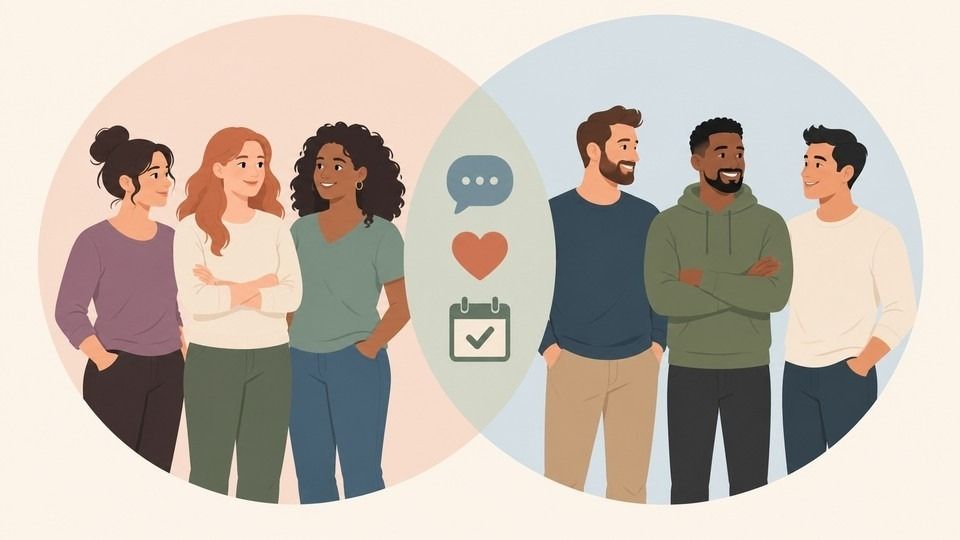
The phrase covers several arrangements that get marketed identically. The difference between gender specific treatment programs matters more than the label does.
The Three Common Models
- Fully separate programs. Men and women attend different treatment facilities or different tracks with no shared programming
- Separate groups, shared program. Group therapy is single gender, while intake, medical care, and some psychoeducation are mixed
- Separate housing only. Treatment groups are mixed, but sleeping quarters are divided. Common in residential care and iop with lodging
Ask which one a treatment program means. “Gender specific” on a website describes any of the three, and gender specific treatment programs vary in how far the separation goes.
What It Is Not
Gender specific treatment is not a different level of care, and it is not specialized addiction treatment in the sense of treating a different condition. A women’s program still sits somewhere on the ASAM continuum, and the chapter on what is rehab maps where.
It is also not automatically more intensive, longer or better resourced. Gender specific programs sit alongside mixed ones rather than above them.
Types of Gender-Specific Treatment Programs
Gender specific programming can appear at several levels of care, but its availability varies widely by provider and location.
- Withdrawal management. Separation may occur through room assignments or unit policies, although the clinical service is driven primarily by withdrawal and medical needs.
- Residential treatment. Programs may use separate facilities, residential units, housing or clinical groups. The chapter on residential treatment explains the underlying level of care.
- Intensive outpatient treatment. Some programs run gender specific therapy groups within an otherwise shared outpatient service.
- Standard outpatient treatment. Individual sessions are already one-on-one, while group services may be mixed or gender specific.
- Aftercare and peer support. Programs may offer either mixed or gender specific groups.
A treatment program can be gender specific during one phase of care and mixed during another, so ask where the separation begins and ends.
Gender Differences in Substance Use and Addiction
Gender differences exist in how substance use disorders develop, how they are identified, and what happens in treatment. Understanding those gender differences is what makes gender specific programs more than a marketing label. Three are well documented.
Telescoping
One frequently discussed sex difference is the “telescoping” effect: in some populations, women progress from initial or regular substance use to substance use disorder, serious consequences, or treatment-seeking over fewer years than men. SAMHSA has long described this pattern, particularly for alcohol [1].
The evidence is real but not universal. A 2023 review found support for telescoping across several substances, including alcohol, cocaine, opioids, and cannabis, but also identified studies showing no difference or, in some groups, faster progression among men [5]. The effect depends on the substance, population, and which points in the course of addiction are being measured.
The clinically useful point is that a shorter history of use does not necessarily mean lower risk. Women can develop some substance-related health complications, particularly from alcohol, after less cumulative exposure than men [2].
Trauma Histories
Women with substance use disorders have high rates of trauma exposure, including sexual and physical abuse and interpersonal violence [2]. That makes trauma history an important consideration when deciding whether a mixed or women-only group is likely to feel safe enough for effective participation.
Some women prefer same-gender settings for discussing sexual assault, domestic violence, or other traumatic experiences, while others do well in mixed groups. SAMHSA treats that as an individual placement question rather than evidence that every woman with trauma needs women-only care [1][2].
Social and Cultural Pressures
Women can face treatment barriers related to caregiving responsibilities, pregnancy, childcare, partner relationships, transportation, and economic hardship. SAMHSA specifically identifies caregiver roles, gender expectations, and socioeconomic hardship as barriers that can delay or disrupt treatment [1][2].
Men can face a different set of pressures. SAMHSA’s guidance on men’s behavioral health identifies masculine norms, expectations of self-reliance, and discomfort with help-seeking or emotional disclosure as issues that may affect engagement in treatment [6]. These are population-level patterns rather than rules about individual men or women.
| Pattern | Women: documented considerations | Men: documented considerations |
|---|---|---|
| Course of SUD | Telescoping has been reported in some populations, though findings are not universal [5] | SUD prevalence remains higher among adult men overall |
| Trauma | Higher documented burden of sexual and interpersonal violence among women with SUD [2] | Trauma also occurs commonly and should be assessed individually |
| Treatment barriers | Childcare, caregiving, pregnancy, economic barriers, stigma and partner concerns [1][2] | Self-reliance norms, stigma around help-seeking, employment and other individual barriers may matter [6] |
| Group treatment | Some women prefer women-only groups, especially around trauma | Some men may benefit from programming designed to address emotional expression and help-seeking |
Patterns describe groups, not people. Male and female clients alike may look nothing like the column they land in, and gender specific treatment should not override an individual assessment.
Does Gender-Specific Treatment Work?
This is where most pages about gender specific treatment overreach. The honest answer is that it depends on the client.
What SAMHSA Says
SAMHSA does not claim that women-only settings produce better outcomes across the board. It frames the choice as a clinical question about the individual: whether “the client is likely to benefit more from a same-sex versus mixed-gender program due to trauma history, pattern of withdrawal among men, and other issues” [2].
It also notes a caveat treatment centers rarely mention: while many women find women-only groups beneficial, “some may express hostility toward other women in such groups or treatment programs” [1].
Research suggests gender responsive programs help, particularly with retention and with trauma work, and the National Institute on Drug Abuse points the same way on retention for pregnant women. What the evidence does not support is a blanket claim that gender specific treatment is more effective for everyone.
Factors That May Favor a Gender-Specific Setting
- A trauma history that makes disclosure or participation substantially harder in mixed-gender groups
- Substance use closely tied to an abusive or substance-using partner
- A need for women-specific pregnancy, parenting, childcare or family services
- A previous experience showing that mixed-gender group dynamics interfere with treatment participation
- A strong personal preference for a same-gender setting that makes the person more willing to attend and engage
Factors That May Favor a Mixed Program
- The person feels equally safe and able to participate in mixed groups
- A mixed program provides substantially better access to the clinically appropriate level of care
- The gender specific option is distant enough that travel or waiting lists would delay treatment
- The client prefers a mixed environment after discussing the options during assessment
These are considerations rather than placement rules. The level and quality of treatment still matter more than the label on the program.
When distance is the main barrier, the chapter on online rehab covers remote outpatient options.
What Women’s Gender-Specific Treatment Addresses
A women’s rehab program is not a standard substance abuse treatment program with different decor. Done properly, gender specific treatment changes the content, not only the roster.
Addressing Trauma
Trauma-informed care is especially relevant in women’s SUD treatment because histories of sexual abuse, physical abuse, and interpersonal violence are common [2]. SAMHSA recommends screening for past and current trauma, including sexual victimization and interpersonal violence, and incorporating those findings into the treatment plan.
For some women, a women-only group makes discussion of sexual assault, domestic violence, or relationships feel safer. Others are comfortable addressing the same issues in mixed treatment. Gender composition should support the trauma-informed plan rather than substitute for it.
Mothers and Children
This is the most practical difference, and the one that decides whether many women enter treatment.
SAMHSA is blunt about the obstacle: “Few residential programs allow mothers to have their children with them, and outpatient programs often do not provide services for children or child care” [1]. It also names the fear behind it, “fear of losing custody of children upon admitting the substance problem or seeking treatment.”
The National Institute on Drug Abuse reports that pregnant women “are more likely to stay in these treatment programs if they provide services such as child care, parenting classes, and vocational training” [3].
Mental Health and Co-Occurring Conditions
Mental health conditions are common among women with substance use disorders. SAMHSA identifies mood disorders such as depression and anxiety, trauma-related conditions, and eating disorders as important co-occurring concerns in women’s treatment [2].
A women’s program should therefore screen for mental health needs and either provide appropriate care itself or coordinate it with qualified mental health clinicians. Ask whether psychiatric and mental health services are available in-house or by referral, how information is shared across the treatment team, and what happens if a psychiatric condition requires a higher level of care.
Other Barriers to Accessing Treatment
- Partner opposition. SAMHSA notes women “are particularly vulnerable to losing their partner upon entering treatment” [1]
- Economic barriers, including no independent income of their own
- Not knowing which treatment centers accept their coverage
- Transportation to the treatment facility, particularly outside the metro
- Shame and stigma, which fall harder on mothers than on fathers
- Pregnancy, which can complicate placement rather than expedite it
What Men’s Gender-Specific Treatment Addresses
Men’s treatment needs have historically received less attention in discussions of gender-responsive addiction care, but there is a dedicated evidence base. SAMHSA’s TIP 56 identifies masculine norms, relationships, fatherhood, work, trauma, emotional expression, help-seeking, and expectations of self-reliance as issues that can matter in men’s behavioral health treatment [6].
A men’s program may therefore address topics such as:
- Stigma around asking for help or appearing vulnerable
- Recognizing and communicating emotions
- Anger, grief, fear, and other emotional responses without assuming every man experiences them the same way
- Fatherhood, relationships, employment, and provider roles
- Trauma and violence exposure
- Building healthy supportive relationships with other men
These services matter because men continue to represent a large share of the U.S. treatment population. In 2024 TEDS admission data, about two-thirds of recorded treatment admissions were male [7]. Men also had a substantially higher drug-overdose death rate than women in 2024 [8]. Gender-responsive care for men should therefore be based on individual assessment rather than stereotypes about masculinity.
Treatment Modalities Used in Gender-Specific Programs
The therapies themselves are not gender specific. How they are applied is.
Core Approaches
- Cognitive behavioral therapy, for the thinking patterns that maintain substance abuse
- Dialectical behavior therapy, often used with female clients who have emotion regulation difficulties
- Trauma-specific therapies for processing traumatic experiences safely
- Motivational interviewing, for people ambivalent about whether they have a substance abuse problem
- Group therapy, which is where the gender composition matters most for men and women alike
- Life skills work, parenting support, and vocational help
Why Group Composition Can Matter
Group composition can affect whether a client feels safe, understood, and willing to participate. SAMHSA specifically recommends considering whether trauma history, relationships or other individual factors make a same-gender group more suitable than a mixed one [2].
That does not mean women automatically disclose trauma in women’s groups or that men automatically suppress emotion in mixed groups. The relevant question is individual: which environment allows this client to participate honestly enough for treatment to work?
Unique Challenges and Cultural Differences
Gender is one variable among several. Treating it as the only one produces its own blind spots.
Cultural differences shape how families talk about drug and alcohol abuse, who is allowed to seek treatment, and what recovery is permitted to look like. A gender specific program that ignores culture, immigration status, language, or faith has solved one problem and left another.
Ask how a program handles that, especially if you want treatment centers serving a specific community.
Underlying Factors That Get Missed
Gender specific factors are only part of the picture. Underlying factors like past trauma, unresolved trauma from childhood, poverty, and untreated mental illness cut across gender, and a program that focuses solely on gender will miss them.
Women experience addiction differently partly because their bodies process drugs differently, and partly because of what happened to them. Both matter. So do family members, cultural differences, and whether anyone at home supports recovery.
What Good Programs Track
- Substance use and treatment engagement
- Mental health and trauma-related needs where relevant
- Progress toward the individual’s treatment-plan goals
- Whether clients feel safe enough to participate meaningfully
- Retention and completion without assuming that gender separation itself is what improves those outcomes
SAMHSA’s older evidence review suggests that the broader package of gender-responsive services may matter more than simply putting men and women into different rooms [1].
What Minnesota Requires When a Treatment Program Supervises Clients’ Children

Minnesota does not require every addiction treatment program serving a parent to provide childcare. But if a licensed SUD program offers supervision of a client’s child, Minn. Stat. §245G.19 sets specific standards for that supervision [4]. If the program provides room and board for both the client and the client’s child, it must also have an appropriate facility license from the Minnesota Department of Health.
When the program is responsible for supervising a child, the law requires it to:
- Keep a caregiver within sight or hearing of an infant, toddler or preschooler so the caregiver can intervene to protect the child’s health and safety
- Have a caregiver available to help and care for a school-age child
- Maintain a written policy and schedule explaining when the program is responsible for the child and when the parent is responsible
- Maintain written procedures describing what staff must do if a child is neglected or abused, including while the child is under the parent’s supervision
- Meet applicable child-adult ratios, training, behavior-guidance, activity, physical-environment, space, and nutrition requirements unless an applicable licensing provision changes those requirements [4]
There is a narrower exemption when a program supervises children for less than three hours a day while the parent remains in the same or a contiguous building. In that situation, the program is exempt from the additional subdivision 4 standards if it meets subdivision 5: a responsible staff member must be present, trained in CPR and first aid, and able to contact the parent immediately [4].
Ask whether the program actually provides child supervision, when it assumes responsibility for the child, and whether it can accommodate a child overnight before admission.
Finding Gender-Specific Treatment Centers
Availability varies by location, level of care, and the type of gender specific service you need. A fully separate residential program may be harder to find than a mixed program that runs some same-gender groups.
- Start with a comprehensive assessment to identify the clinically appropriate level of care
- Ask the assessor which programs at that level offer women’s, men’s, or other gender specific services
- Ask whether the separation applies to the entire program, clinical groups, housing, or only certain services
- Consider virtual options if distance would otherwise prevent access to appropriate outpatient care
- Ask about current bed or group availability rather than assuming the wait will be the same across programs
The right comparison is between clinically appropriate programs that are actually available, not between an ideal gender specific program hours away and a local option you can enter now.
Questions to Ask a Gender-Specific Program
The label tells you almost nothing. These questions tell you the rest.
- Which model is it: separate program, separate groups, or separate housing only?
- Who runs the groups, and what training do they have in trauma-informed care?
- Is mental health treatment provided in-house or by referral?
- If you have children, what supervision does the program provide and under which licensing standard?
- What happens at the step-down, and is aftercare also gender specific?
- How does the program serve transgender and nonbinary clients?
Ask that one directly rather than assuming. A clear answer tells you something about the place.
Common Questions About Gender-Specific Addiction Treatment
What Is Gender-Specific Treatment?
It is addiction treatment where men and women are treated separately, either in entirely separate programs or in single gender groups inside a mixed program. The clinical content is adapted to patterns that differ between men and women, particularly around trauma, caregiving, and disclosure.
Is Gender-Specific Treatment More Effective?
Not universally. SAMHSA’s review found inconsistent retention and outcome results when women-only treatment was compared with mixed-gender treatment, and it cautions that the additional gender-responsive services offered by specialized programs may matter more than gender separation by itself [1]. A same-gender setting may be particularly worth considering when trauma, relationships or personal comfort substantially affect the client’s willingness to participate.
Which Gender Is More Prone to Addiction?
Among adults, men have historically had higher rates of substance use disorders, and men continue to account for most recorded U.S. treatment admissions. In 2024 TEDS data, 65.6 percent of admissions were male [7]. The gap varies by age and substance, however. Research has also identified a possible “telescoping” pattern in which some groups of women progress more rapidly from substance use to disorder, consequences, or treatment seeking, but newer reviews show that the finding is not universal across every substance and population [5].
Can I Bring My Children to Treatment?
Some Minnesota treatment programs supervise clients’ children or can accommodate a parent and child, but programs are not required to offer those services. When a licensed SUD program does supervise a client’s child, Minn. Stat. §245G.19 establishes supervision, policy, safety, and staffing requirements [4]. If the program provides room and board for both parent and child, an appropriate Department of Health facility license is also required. Ask about availability, age limits, overnight accommodations, and the written supervision policy early in the admission process.
Are There Men’s Only Rehab Programs?
Yes. Men’s-only addiction programs and men’s treatment groups exist at several levels of care. Depending on the program and individual treatment plans, gender-responsive services may address help-seeking, emotional expression, trauma, relationships, fatherhood, work, and cultural expectations around masculinity. SAMHSA has published separate guidance on the behavioral health needs of men, although the research literature on women-specific SUD services has historically been more extensive [6].
Choosing Between a Gender-Specific and a Mixed Program
Gender specific addiction treatment can address several practical and clinical needs: greater comfort discussing trauma or relationships, women-specific pregnancy and parenting concerns, men’s barriers around help-seeking, or a simple preference for a group where gender dynamics are less distracting. For some clients, that difference meaningfully improves participation. For others, a well-run mixed program is entirely appropriate.
The evidence does not support choosing a program solely because it separates men and women. SAMHSA’s review found that outcomes from women-only versus mixed-gender treatment are inconsistent and suggests that the actual gender-responsive services may matter more than separation itself [1]. Level of care, treatment quality, mental health capability, safety, accessibility, and the client’s own ability to engage all belong in the decision.
Start with a comprehensive assessment that asks about trauma, relationships, caregiving responsibilities, mental health, the recovery environment, and the person’s treatment preferences rather than assuming gender alone determines placement.
NorthStar Regional’s women’s rehab team can talk through the options. Inpatient vs outpatient rehab covers the level-of-care question. Residential treatment and what is iop cover two common placements, how long is rehab covers duration, and what happens in rehab describes a typical day. How to prepare for rehab and can you have your phone in rehab cover the practical questions.
Sources
- Substance Abuse and Mental Health Services Administration. Substance Abuse Treatment: Addressing the Specific Needs of Women. Quick Guide for Clinicians Based on TIP 51, SMA13-4789 (telescoping; childcare and custody barriers; partner loss; caveat on women-only groups). https://library.samhsa.gov/sites/default/files/sma13-4789.pdf
- Substance Abuse and Mental Health Services Administration. Advisory: Addressing the Specific Needs of Women for Treatment of Substance Use Disorders, based on TIP 51, SMA14-4844, 2014 (trauma prevalence; obstacles from caregiver roles, gender expectations and socioeconomic hardships; women-specific treatment components; same-sex versus mixed-gender placement question). https://library.samhsa.gov/sites/default/files/sma14-4844.pdf
- National Institute on Drug Abuse. Substance Use in Women Research Report: Sex Differences in Substance Use Disorder Treatment (pregnant women are more likely to stay in treatment programs providing child care, parenting classes, and vocational training). https://nida.nih.gov/publications/research-reports/substance-use-in-women/sex-differences-in-substance-use-disorder-treatment
- Minnesota Statutes 2025, section 245G.19, License Holders Serving Clients with Children (supervision definition and requirements; written policy and schedule; abuse and neglect procedures; child-adult ratios and Department of Health licensing; three-hour contiguous-building exemption). https://www.revisor.mn.gov/statutes/cite/245G.19
- Towers EB, et al. Sex/Gender Differences in the Time-Course for the Development of Substance Use Disorder: A Focus on the Telescoping Effect. Pharmacological Reviews. 2023;75(2):217–249. https://pmc.ncbi.nlm.nih.gov/articles/PMC9969523/
- Substance Abuse and Mental Health Services Administration. TIP 56: Addressing the Specific Behavioral Health Needs of Men. https://pubmed.ncbi.nlm.nih.gov/23805437/
- Substance Abuse and Mental Health Services Administration. Treatment Episode Data Set, Admissions 2024. https://www.samhsa.gov/data/system/files/media-puf-file/TEDS-A-2024-DS0001-info-codebook_v1_0.pdf
- National Center for Health Statistics. Drug Overdose Deaths in the United States, 2023–2024. Data Brief No. 549. January 2026. https://www.cdc.gov/nchs/data/databriefs/db549.pdf