

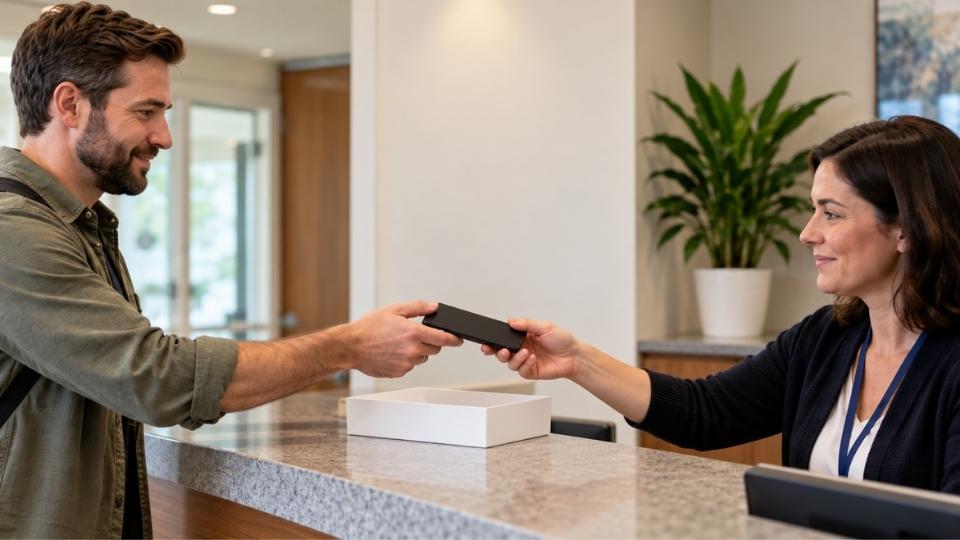
Yes, in outpatient rehab, and usually with limits in residential rehab. People in outpatient treatment go home each day and keep their cell phones. Phone policies differ substantially by facility for people in inpatient rehab or residential addiction treatment. Some programs store personal phones temporarily and later permit scheduled access, while others prohibit personal electronic devices throughout residential treatment and provide access to a facility telephone instead. Ask admissions specifically whether you may bring your phone, whether it will be stored, and how calls are handled during treatment.
Supportive relationships can play an important role in recovery, which is why many treatment programs provide ways for clients to communicate with approved family members and other supportive people even when personal devices are restricted. Contact may be limited when a particular relationship or interaction is clinically unsafe or disruptive.
In Minnesota, clients in licensed residential SUD programs have applicable rights to telephone access and private communication. Section 144.651 requires access to a telephone for making and receiving private calls, while other applicable patient-rights provisions allow facilities to establish reasonable rules and, in certain circumstances, restrict calls when a person’s medical welfare requires it, and the restriction is documented [1].
Can You Have Your Phone in Rehab? The Answer by Level of Care

Cell phone use in rehab tracks the level of care. The more hours a day a rehab runs, and the more medically fragile the first days of recovery are, the more likely it is that cell phones are stored. The chapter on what is rehab explains the levels, and the chapter on inpatient vs outpatient rehab compares the two broad settings. Each level handles phone use a little differently, and the table below shows the typical pattern. It describes how programs commonly write their policies; the specific rehab you choose may differ.
| Level of care | Personal phone | Calls/contact | Visitors |
|---|---|---|---|
| Withdrawal management | Policy varies; personal devices may be stored or restricted | Programs must provide appropriate communication access consistent with applicable rights and medical safety | Often limited by short stay and medical needs; facility policy applies |
| Residential treatment | Varies from scheduled access to no personal electronics on site | Facility phone or another approved method is commonly used where personal phones are restricted | Minnesota programs must post visiting rules and hours; individual restrictions must follow applicable law |
| PHP / high-intensity outpatient | Usually retained outside sessions | Normally available outside programming | Clients do not reside at the program |
| IOP / outpatient | Usually retained outside sessions | Normally available outside programming | Not generally a residential-visitation issue |
| Telehealth | Phone, tablet, or computer may be used to connect | Normal communication outside sessions | Not applicable |
Residential and Inpatient Treatment
Residential programs set their own personal-device policies. Some temporarily store phones, some permit phones only during limited periods, and some prohibit personal electronics for the duration of residential treatment while providing access to a facility phone. NorthStar’s currently posted residential policy prohibits personal electronic devices capable of recording or transmitting images on the premises, so clients should confirm the current policy for the specific location before packing a phone.
After the initial hold, rules split. Some treatment centers return the cell phone for a set window each evening. Others keep personal phones stored and offer a facility phone for calls at scheduled hours. A smaller number of rehab centers, usually those serving executives or people with caregiving duties, allow more flexible phone and laptop use for work obligations. Low-intensity residential treatment, where residents may be working or job hunting, tends to loosen the rules further. The chapter on what happens in rehab shows where phone time fits into a typical residential day.
Outpatient, IOP, and Partial Hospitalization
People in outpatient rehab keep their cell phones, because they keep their lives: they attend groups for a few hours and go home. Intensive outpatient and partial hospitalization programs ask that phones be silenced or put away during group sessions, the same way a workplace or classroom would, and that is generally the extent of the rule. The comparison of php vs iop covers how the two differ in hours, and the chapter on what is iop explains a typical week.
Telehealth rehab, described in the chapter on online rehab, requires a phone or computer, since the phone is how a person attends. The guidance there is the reverse of residential rules: keep the device charged and connected.
Why Rehab Centers Limit Cell Phone Use
Drug and alcohol treatment centers restrict devices for a few practical reasons, and knowing the importance of each one before entering rehab makes the early days easier. Limiting phone use protects focus, safety, and privacy at the most fragile point in addiction recovery, and limiting phone access gives the treatment environment a chance to work.
Focus in the First Week
The first week of residential rehab is when the therapeutic work starts and when focus is hardest to hold. Recovery asks a person to look closely at their own life, and that takes focus. A cell phone brings the outside world in: work email, family stress, social media, and the friends and contacts tied to drug or alcohol use. Each notification is a distraction, and a stream of distractions makes it harder to settle into treatment; in early recovery, the biggest distraction is usually the phone itself. Rehab centers describe the goal as a focused environment, a stretch of days where the only job is the healing that addiction treatment is built around.
Constant cell phone use can disrupt the therapeutic process, and some people later say the break from their devices was one of the benefits of the stay they had not expected. The benefits of a phone break are easier to see in hindsight than on day one.
There is also the plain matter of time. A residential day is scheduled from breakfast to lights out, with groups, individual therapy, meals, recreation, and an evening support meeting. Phone time competes with all of it, and the balance many rehabs strike is a short daily window, a pause many people come to see as beneficial.
Safety, Privacy, and Triggers
Three safety concerns drive the stricter rules. First, cell phones hold the contacts a person used to buy drugs or alcohol, and a text in a weak moment can undo a hard week; rehab centers speak plainly about this as a relapse risk.
Second, privacy. Treatment programs commonly restrict photography, video, audio recording, and devices capable of capturing other clients because treatment privacy must be protected. Minnesota law specifically requires licensed SUD programs to maintain a policy governing electronic devices that can record, transmit, or make images of another client, and clients have a right to refuse being photographed or recorded [2]. Federal Part 2 rules separately restrict disclosures of identifiable SUD-treatment information by covered programs and other lawful holders.
Some rehabs add restrictions for individual clinical reasons, for example, when a client’s cell phone use is itself compulsive or when a specific contact is unsafe. Those limits are written into the treatment plan and reviewed with the client.
Staying Connected While Phones Are Restricted
Restricted is not the same as cut off, and not having a phone in rehab does not mean losing touch. Rehab centers know the importance of supportive relationships and a sense of connection to lasting recovery, and family involvement is written into many treatment programs. Staying connected matters for loved ones too, since they are often carrying their own stress. Inside the rehab, the community of other residents and staff becomes a second source of support. When a personal phone is stored, contact runs through a few channels.
Phone Calls and Facility Phones
When personal phones are restricted, residential programs may provide access to a shared or facility telephone according to their calling policy. In Minnesota, applicable patient-rights law requires access to a telephone for making and receiving calls and privacy for those conversations, but the program may establish reasonable procedures around when and how the phone is used.
Merge the two telephone-rights paragraphs into one. The state’s Health Care Bill of Rights guarantees clients in licensed residential rehab access to a telephone where they can make and receive calls and speak privately, and requires facilities without a private area to make reasonable arrangements for privacy.
The same law lets a facility limit the right only where it is medically inadvisable and documented by a physician or advanced practice registered nurse in the care record, or where a facility abuse prevention plan requires it. Chapter 245G, which licenses substance use disorder treatment in the state, gives clients of licensed programs the rights in that section, as applicable [2].
Visitors and Family Sessions
Residential programs usually have a written visiting policy rather than open visiting. In Minnesota, licensed residential programs must post visiting rules and provide both day and evening visiting times, although individual visits can be limited when necessary for a client’s welfare.
Visitors are typically limited to an approved list the client fills out at intake, and rehabs may ask visitors not to bring bags, food, or gifts without checking first. Family therapy sessions, in person or by video, are a separate track from visiting hours and are scheduled with a counselor. For some, those sessions are where healing at home begins and where the connection built during treatment starts to carry into recovery.
A partner, parent, or friend who wants to visit can start by calling the rehab’s main line and asking about visiting policy and the approved-visitor process. What staff can say in reply is governed by confidentiality law, which the next section explains.
Mail, Email, and Employers
Letters get through. Minnesota’s bill of rights says personal mail is sent without interference and received unopened unless a physician or advanced practice registered nurse documents a medical or program reason, and residents have access to writing supplies and postage at their own expense. Some rehabs also accept emails or messages sent to a general address, print them, and deliver them. Packages are usually opened with the client present so staff can check contents. A letter from home is a small thing, and it is also one of the steadier forms of support a person in recovery receives.
Work is the other common worry. People who need to stay in touch with employers or employees during treatment can ask about scheduled laptop or phone time, and some rehab centers accommodate it. For a longer stay, the more reliable route is job-protected leave.
Confidentiality: Who Can Find Out You Are in Rehab
A family member who calls a treatment center to ask whether someone is a client there will usually be told that staff cannot confirm or deny it. Federal law requires it. Regulations at 42 CFR Part 2 bar programs from sharing any information that would identify a person as having, or having had, a substance use disorder without the person’s written consent. Confirming that someone is in addiction treatment is exactly that kind of information [3]. HHS updated the rule in 2024, and programs had to be in full compliance by February 16, 2026.
The fix is simple, and Minnesota builds it into admission. The same state bill of rights requires that when a person enters a facility covered by that federal rule, they be given the opportunity at admission to authorize disclosure of their presence to callers and visitors who may want to reach them. In practice, a client fills out a release naming the people staff may talk to. If you are the one going to rehab, put your family on that list at intake. If you are the family member, ask your loved one to do it, and give the rehab a heads-up call so the message is waiting.

Preparing to Hand Over Your Phone
A few steps taken the day before handing over your phone in rehab make the hold easier, and handling them is a good first step into recovery, the first step many treatment professionals recommend.
- Write down the numbers you will need on paper, because many people no longer know them by heart, and the facility phone will not have your contacts.
- Tell the people who matter what the calling schedule is likely to be and give them the rehab’s main number.
- Set an away message on email and voicemail.
- Review bills and other time-sensitive responsibilities before admission. Where appropriate, leave automatic payments in place, schedule payments in advance, or arrange for a trusted person to handle necessary financial or household tasks while you are away.
- Delete or archive contacts you do not want to see when the phone comes back; some people find that the most useful step of all.
Pack accordingly. The chapter on how to prepare for rehab has a fuller list of what to know. Do not pack a phone, charger, laptop, smartwatch, or other electronics until you have checked the specific facility’s packing list. Some residential programs prohibit personal electronics altogether.
Rehab centers may also store devices securely and log them; ask how that works if it worries you. If you are heading to iop with lodging instead of residential care, ask whether the housing side has its own rules on phone use, since the program and the lodging can differ.
Personal-device restrictions may last a few days at one facility and the entire residential stay at another. Some programs gradually increase personal-device privileges, while others use facility phones throughout treatment. Ask for the written policy before admission rather than assuming your phone will be returned after a set number of days.
The chapter on how long is rehab covers typical stays by level of care, and the phone schedule after the hold is something to work out with the treatment team as recovery progresses. Several factors shape that schedule: the level of care, how withdrawal went and how the person is doing in treatment, and support from the team remains available throughout. Many people find the balance shifts on its own: the phone matters less by week two than it did on day one.
Common Questions About Phones and Contact in Rehab
When Do You Get Your Phone Back in Rehab?
There is no standard day when a phone must be returned. Some residential programs permit scheduled personal-phone access after an adjustment period, while others prohibit personal electronic devices throughout the residential stay and provide a facility phone instead. NorthStar’s posted residential policies currently restrict personal electronic devices, so ask the specific location what its current policy is before admission.
Can People in Rehab Get Phone Calls?
Yes. Rehab centers set calling hours, sometimes in the evening or on weekends, and provide a facility phone or return personal cell phones for that window. Incoming calls during the day are often routed through staff, who take a message. In Minnesota, clients of licensed residential rehab have a legal right to telephone access and private calls.
Can You Send a Letter to Someone in Rehab?
Yes, and letters are welcome. Address mail to the client at the facility, and it will be delivered; Minnesota law requires that personal mail be received unopened unless a clinician documents a reason. Packages may be opened with the client present. Check with the rehab before sending food, gifts, or anything that might not be allowed on site.
Can I Check if Someone Is in Rehab?
Not without their consent. Federal confidentiality rules at 42 CFR Part 2 prevent addiction treatment programs from confirming that a person is a client. If your loved one signs a release at admission naming you, staff can talk with you and pass along messages. Ask them to add you to that list, or call the program and leave a message.
Can You Watch TV or Use the Internet in Rehab?
It depends entirely on the facility. Some residential programs provide television or shared internet access at certain times, while others restrict internet-connected devices much more heavily. NorthStar’s current packing materials prohibit several personal electronic devices at residential treatment, so its current admissions or packing policy should control rather than a generic rule.
Asking the Right Questions Before You Go
Phone rules are one of the first things people ask about, and they are a fair thing to ask. A good admissions team will tell you exactly what the hold is, when calls happen, how visitors are approved, and how to make sure your family can reach you and support you. They will also walk through what the rest of the day looks like, so you can explore the fit before committing. Those questions are essential to choosing well. If you are weighing residential addiction treatment, NorthStar Regional’s inpatient rehab program is one place to start that conversation, and admissions can walk you through the contact policy before you decide.
Medical Disclaimer
This article is for informational purposes only and is not a substitute for professional medical advice, diagnosis or treatment. If you are in crisis, call or text 988 to reach the 988 Suicide and Crisis Lifeline, or call 911.
Sources
- Minnesota Statutes 2025, section 144.651, Health Care Bill of Rights, subdivision 21 (communication privacy: telephone access, mail, disclosure of presence) and subdivision 2 (definitions including residential substance use disorder programs licensed under chapter 245G). Amended through 2025. https://www.revisor.mn.gov/statutes/cite/144.651
- Minnesota Statutes 2025, section 245G.15, Client Rights (incorporating section 144.651 for clients of licensed substance use disorder treatment programs). https://www.revisor.mn.gov/statutes/cite/245G.15
- U.S. Department of Health and Human Services. “Understanding Confidentiality of Substance Use Disorder (SUD) Patient Records or ‘Part 2.'” Page last reviewed February 13, 2026 (final rule effective April 16, 2024; compliance date February 16, 2026). https://www.hhs.gov/hipaa/part-2/index.html